Learn Drawing
Contents
- Introductory remarks
- Part I: Learning to Draw
- Part II: General Resources
- Part III: References and Inspiration
Introductory remarks
What is this?
This website is a three-parts guide to learning how to draw from total beginner to advanced. In the first part, I explain how to go about learning how to draw, including creating a practice routine and how to avoid a few common pitfalls. I also lay out a roadmap you can follow to get a lot of drawing gains provided you also draw on the side. The second part is a large catalog of art resources, mostly books but also a few courses. One unique feature of the catalog is that there are both English and Japanese resources. The third part lists a few of my favorite artists and discusses how to find inspiration.
For the Japanese resources, I assume you can read Japanese (or at least have something like Yomitan) to help you understand. The intersection of people wanting to learn how to draw, especially in an anime-style, and the people who want to learn Japanese is significant in my personal experience. I hope this place can be of help to them.
The resources are partially tailored to my own personal preferences. I’m very much in the process of learning how to draw as well so I have also asked other artists I know to comment on the books they know about. My main skill is in game direction and scenario and I have decided to learn how to draw better to help with prototyping ideas.
I do not claim expertise in the same way that I do on the Mathematics and Japanese learning websites. If that fact bothers you, feel free to disregard my explanations and just use this website as a catalog and gallery of cool artbooks.
What is required to do this?
Some time and a tendency for self-care. Learning anything is hard but art is a particularly long journey. I believe it was Steve Huston that said something along the lines of “Artists often hit their strides in their sixties”. He’s right. It’s a marathon, not a race, so take it one step at a time. Remember: 千里の道も一歩から。
Who is this for?
Anyone with even a passing interest in learning how to draw. Other than this, the rest doesn’t matter, including your age or previous experience with drawing.
Do I need to draw traditionally?
Up to you honestly. When it comes to rendering, I would do it on your preferred medium because it is pretty different. I like to do studies with a pencil and some nice paper but you can also do everything digitally.
Why did you not include this resource I like?
Probably because I am not aware of it. If I am aware of it, I haven’t had the chance to see or use it myself, nor do I know someone close that did and can provide earnest feedback.
There are so many resources!
I don’t believe you should go through every single book in order in every topic before moving on. Some books go much deeper or require more background to truly appreciate (looking at you, Bridgman!) and thus are better left for later. I have resisted the temptation to label what resources is for what level because I think you should get a feel for it yourself. After all, what I consider to be more difficult might be more adapted to you, or you might just like it better than some other resources. Still, here are two recommendations.
First, do construction first, and keep working on it every day. Second, learn and get good at using light values before you completely dive in color studies. Getting the wrong hue or chroma does not do as much damage to a drawing as getting the wrong values in my opinion, provided that is not an artistic choice on your part. In the last part, I will show a potential learning order you can follow if you’d rather do that.
Part I: Learning to Draw
In this first part, I would like to explain the methodology behind this guide as well as provide a roadmap to develop general drawing skills. The methodology in particular comes from me synthesizing a variety of sources and advice I have heard over the year from established art instructors and industry leaders as well as more personal experience I have had through conversations with friends.
Some of them are beginning artists, some are fresh art school graduates, some are self-taught and trying to break into the industry, some are respected artists who already broke in and have gone on to work on large projects. They all influenced my outlook on learning how to draw, but also how to learn in general, and this guide is one of a few I have written on specific subjects such as mathematics and Japanese.
I have specific biases I need to tell you upfront. I am heavily inspired by Japanese animation (e.g. Serial Experiments Lain) and video games (e.g. Nier Automata). At the same time, I am also very fond of French painters such as Boucher, Fragonard, Cabanel (although my favorite painter is Pierre Soulages).
These two influences do not hold the same weight in the resources selection below but they are both represented, most notably with Steve Huston (my favorite art instructor) representing the style of the Old Masters in many of his resources.
Because of this interest in animation, multiple resources are explicitly aimed at understanding drawing from an animator’s point of view, for instance the resources made by toshi and Glenn Vilppu. Nonetheless, I have avoided recommending resources to learn animation because I do not understand it well enough and I only have one such book: The Animator’s Survival Kit by Richard Williams.
Alright. With that out of the way, let’s get started.
How to Learn
In this first section I would like to give you a few pointers to help better understand what we will do to learn how to draw. First we will start by asking ourselves how to set ourselves up for success by creating and structuring a practice routine. After this, I will explain how exactly you should decide what to do with your time. Finally, we will examine one common problem that artists face which often leads to frustration, sometimes all the way to burnout and giving up for good.
Once we understand all these things, we will be ready to see the actual roadmap of things we need to learn to get good at drawing in general.
Structuring your practice
First, I would learn about setting up (micro)habits. I heavily suggest reading Good Habits, Bad Habits which is where I learned how to build habits for the long term. This is what I would consider “metacognition”, by which I mean actively thinking about your learning process.
Needless to say, I would rather you spent thirty minutes each day drawing then having only one day in the week where you draw for four hours, but not everyone has the same time available. Once you have decided how much time you want to set aside for art every week or every day, here is the routine I would follow:
I suggest you start your drawing sessions by warming up. The way I do that is by doing gesture drawing (we will see what this is in the beginner figure drawing books). Usually for me that will be quick poses (generally on this website), between thirty seconds and a minute. I also like to draw a few basic forms, such as straight lines, curved lines, circles, ellipses, spheres, and boxes.
I find this necessary to have better line quality and “flow”. If I go straight into studying something complicated, I tend to do worse. Not to mention, these fundamentals are some of the most important, fundamental things you will have to practice your entire drawing journey. They aren’t levels you beat, they are muscles you stretch everyday to run the distance.
After that, it’s the main topic or drawing of the day. This is my focused study session. As an example, let’s say you are currently learning figure drawing and you’re working on the chapter about advancing gesture in Huston’s Figure Drawing for Artists.
A sample study session would be reading the explanations, perhaps copying the drawings (or at least trying to understand them thoroughly) and then working on the exercises of the chapter. Perhaps in the middle you think about a specific problem you have and you go look it up online or in other textbooks. That is all fine, the point is that you are trying to work through the material.
As a reminder, the goal is not to finish the book but to become a better artist, so don’t rush. If you follow my roadmap, this is the part where you study what is in one of the book of your current stage. Once this is done, I like to do some free stuff.
This is my fun time and it is sacred.
I have a pretty analytical mind and fun stuff for me often includes some of the following: copying a drawing I like, laying some tracing paper over an old master study and drawing the majors forms, starting a new original piece, watching a tutorial on a specific thing I have always been curious about, even if it’s way above my paygrade. And who cares if it’s above my paygrade? This is my fun time, it’s totally fine to fail miserably. Even Proko had his funny drawing, so why not me?
This is your free time and it is imperative that you do not spend all of it just studying. In fact, you should spend a lot of time “just drawing”. Chess masters spend years actually solving tactics to sharpen their skill and vision, similarly artists need to draw every day. This is the most important thing and if you’re going to retain anything from this section, let it be this:
If you want to learn how to draw, draw; preferably, a lot. Even if it’s not perfect, keep drawing. Drawing is not a spectator sport. You can read every single book in this list, watch every single video and still not know how to draw. Draftsmanship and line quality matter a lot so get drawing.
Q: Ok, cool, but how do I know how much to study and how much to have fun?
This is where I would like to introduce you to a concept I have been thinking of for a while: the study slider.
The study slider: balancing fun and studying
Please observe the following graphic.

This is a representation of how much time you would like to put into studying as opposed to more fun activities. Currently, the slider is right in the middle at 50%. This is my recommended initial setup: You divide your time evenly between studying and fun.
But this is just the initial setup and it will change based on a variety of factors including where you are in your learning journey, your current goal, the difficulty of the material, your mental and physical health, the events you have planned for the day and week, etc. Whatever it is, I suggest you consciously set your study slider to some value you choose.
Here are two common cases:

Here, we can see that the slider is far to the left, in the fun portion. Maybe you spend more than 80% of your time just having fun. This is where you want to be in a few situations:
Something is not going well for you at the moment and you do not have the mental capacity to study something extensively; You want to focus on applying the skills you have learned recently in a non-systematic way by trying a variety of different things; You are still exploring whether you are interested in this whole drawing thing; You are drawing to cope with a specific life event that has made it difficult for you to do anything else; Your eye has not yet caught up to your recent progress and you feel like a drawing god.
Those are all valid situations in which pushing your slider all the way to the left are quite legitimate. Of course this comes as a cost. Usually, you will make less focused progress (not less progress period, that’s a misconception) meaning that some of your goals might not be hit quite as fast. This is not the worst place to be in generally speaking but very slow progress is one of the leading causes of burnout and giving up contrary to what you might expect. This is not specific to drawing, I have seen this happen over and over with beginners trying to learn Japanese.
Now let’s see the opposite situation.

Here, we can see that the slider is far to the right, in the study portion. Maybe you spend more than 80% of your time just studying. This is where you want to be in a few situations:
You feel an exceptional and enduring surge of motivation to get better; You feel lost and need to focus on something to help you see some kind of progress in your art journey; You are trying to develop your portfolio for an upcoming deadline and you are refining one specific component; You are part of an intense but short study group focused on a specific topic; Your eye has caught up to your current skill and you feel like the worst artist in existence, past and present.
Those are also valid situations in which to push your slider all the way to the right, but here you need to be a lot more prudent. While the first situation can make you want to stop drawing over a long period of time (in which you see no progress), intense studying for extended periods of time can lead to rapid and sudden burnout.
While everyone has a different tolerance for this, every single person has a tolerance level and going past it for too long is dangerous. This is the other way I have seen beginners give up, usually at an alarmingly fast rate.
The eye-hand paradox: understanding burnout
You might have seen that one case appeared in both situations above, albeit in reverse. This is what I call the eye-hand paradox:
The better your eye gets, the more you will see problems in your art. The more you will see problems in your art, the more you will think that you suck.
A good way to understand this is by looking at the following picture.
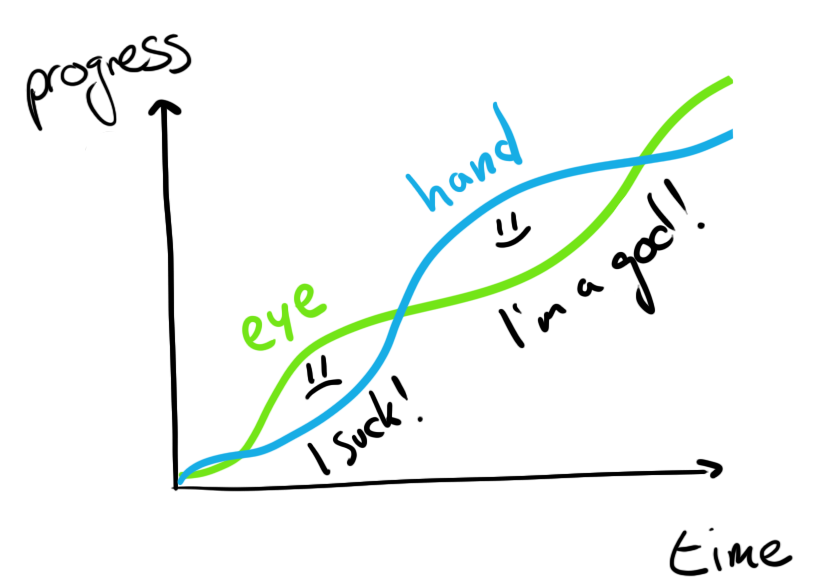
This looks a bit abstract but the idea is the following. Over time, your eye (the green line meaning how you observe, what you see, how you decompose and simplify life, etc.) and your hand (the blue line meaning your applied skill and understanding from theory, your actual drawings, etc.) will progress at different rates. Often, they will not line up quite right. This leads to two kinds of situations.
In the first one (green over blue), your eye is a lot better than your hand is and you see all the little problems in your drawings you did not necessarily see before. This is an opportunity for tremendous growth, but it is also deeply demoralizing.
This is when you will start to say things such as “I suck!”, “Why did I ever start drawing if it’s to produce this kind of crap?”, “I should just give up, clearly I have zero talent.”, etc. If you do not give up but keep going, you will eventually cross back into the other situation (blue over green) where your hand is better than your eye.
This is when you will feel like a drawing god. You will start to say things such as “Did I always understand perspective so well?”, “Man look at this sternocleidomastoid insertion!”, “The composition is just right!”, etc. You should fully enjoy this phase because sooner or later, if you wish to keep progressing, you will cross back into the first situation again. This back and forth cycle is what progress will look like if you embark on this drawing journey.
Q: That sounds awful. How do I minimize the effects of this cycle?
If you start seeing it as a tool for progress, it becomes a lot bearable. What you need to do is different depending on which situation you are finding yourself in at the moment.
Leveraging eye-dominated situations
In the first situation, your eye dominates your progress, this means that your eye will tell you what seems to suck so much if you let it. Don’t give in to temptation to just say “Everything sucks!”. Instead, do the following: Take your two or three most recent drawings and then start going through your very first drawings, those really crusty ones.
Use your fantastic eye to see what has changed. Even little wins help. Maybe your line quality got better. Maybe your anatomy got better. Maybe you had no sense of gesture back then but now your drawings are full of life. Look at things objectively.
Remember: Being in this situation does not mean you stopped progressing, it just means your skill now has to play catch up with your eye. Some people start with a fantastic eye, some people start with a poor eye. Both will have to improve significantly either way, so there’s no point in comparing.
Either way the progress is always there, it’s just sometimes too hard to see because everything else is overwhelming.
When you seem to hit plateaus in your art journey, it might just be your eye that got better and you are now noticing issues that were invisible to you before. Don’t beat yourself up too much because you think you suck. Even great artists think they suck. Just embrace the journey. If you play your cards right, it might last you a lifetime or two.
Leveraging hand-dominated situations
In the second situation, your hand dominates your progress, this means that what exactly you should work on is not fully apparent at first. First of all: pat yourself on the back, you rock. After you have (deservedly) congratulated yourself, it’s time to work on your eye. Keep studying through the syllabus, but put more emphasis on observation.
Go look at Old Masters study. Copy your favorite artists. What is it that they are doing that amazes you? What is missing in your own drawings? Try something really hard for fun. What is blocking you? What is not blocking you?
These two situations are complementary.
In the eye-dominated situations, you have a strong and clear incentive to get better and what you need to do can become clear if you focus your vision. In hand-dominated situations, you have space to explore your limitations through a back and forth art conversation with your favorite artists. Cherish both situations. If you internalize this properly, you will succeed.
Feedback and progression
The topic of feedback tends to be sensitive in my experience. Most artists I know tend to be very wary of both receiving and giving criticism, even if it is constructive and candid. This might be because a lot of artists tend to identify very strongly with their art which makes it a sensitive topic. Not to mention, improvement takes a very long time, something that people tend not to realize upfront.
I urge you to stay open-minded and to look for harsh yet constructive criticism that will help you to grow long term. This is particularly true in hand-dominated situations (see above) where you can’t seem to understand what to do to get better. Trust me, other good artists usually will.
Ideally, you would take part in a supportive community of like-minded artists all looking to get better. This is not particularly easy to find.
Some people pretend to want to progress but do not actually want to hear any feedback. Some people will give harsh criticism about small, mostly irrelevant details in your artwork. Some people will spend most of their time being subtly dismissive of your work to avoid feeling bad about their artwork. A lot of people will give you praise and tell you that your drawings are fantastic, but they will never be able to pinpoint what exactly is so good about them. Avoid crab buckets with all your might.
If possible, find an art sibling (someone with similar artistic interests and aspirations) to progress together. If you have the chance, find a mentor, someone you look up to and respect. More generally, keep a gallery of artists you would like to emulate, see the third part of this guide for inspiration.
If you properly digest the advice in this section, you will have all the right tools to achieve your artistic dreams. Now to get there you need an actionable plan that details what you need to learn. This is what we will take up in the next section.
What to Learn
So what do we actually do?
Below, I would like to propose one possible roadmap to learn how to draw. In it, I will propose books and courses you can follow. You can check Part II for alternatives you could do instead if what I chose does not appeal to you. The only thing I would advise against is bypassing the first stage (construction).
Here is the roadmap, I will detail it below.
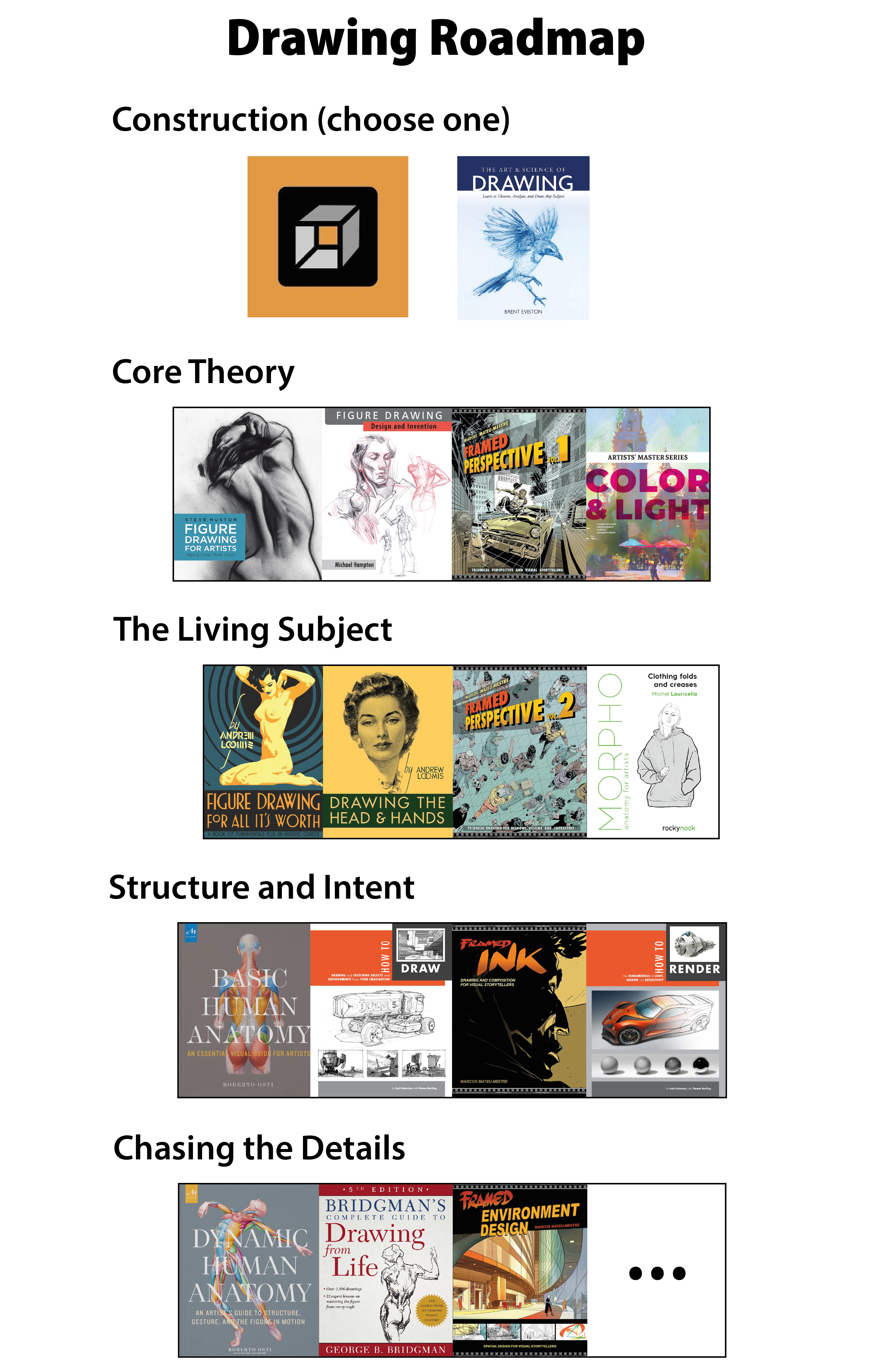
The Five Roadmap Stages
I have separated the roadmap in roughly five sections. The roadmap is made so that each stage benefits from what you have learned before but you are free to skip ahead if something sounds particularly interesting to you. Roughly speaking, every skill builds on construction, and I would highly advise doing figure drawing before anatomy. Composition can be studied whenever, although a basic understanding of perspective makes it more applicable. It’s a neglected fundamental so do not skip it.
These stages are not meant to be completed quickly and can take years. This does not mean you are not a good artist until you’re done with them all, and you can find work way before then too. As a reality check, I have friends around Stage 2 that regularly get commissioned for art, so don’t confuse earning a living with advancing your craft. The goal is not to cross items off a checklist, the goal is to be able to fluidly transpose your ideas on a piece of paper or tablet.
Here are how the five stages are constructed:
Stage 1: Construction
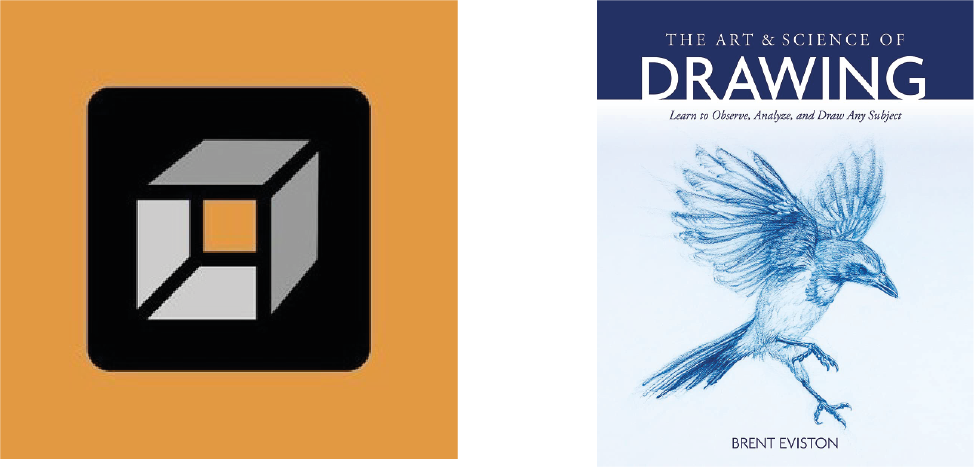
This stage is the most important one of them all. Everything builds off construction one way or another, because it is where you learn how to observe and see with the eyes of an artist, and this is the most important skill you can develop.
Just completing Drawabox or Eviston’s book can be enough to draw everyday objects and simple stuff decently well. For some, this will be the end of their drawing journey. Pick one or the other but try both to see what you prefer. If you want to get funky, replace either of these with Fun With a Pencil instead.
Stage 2: Core Theory
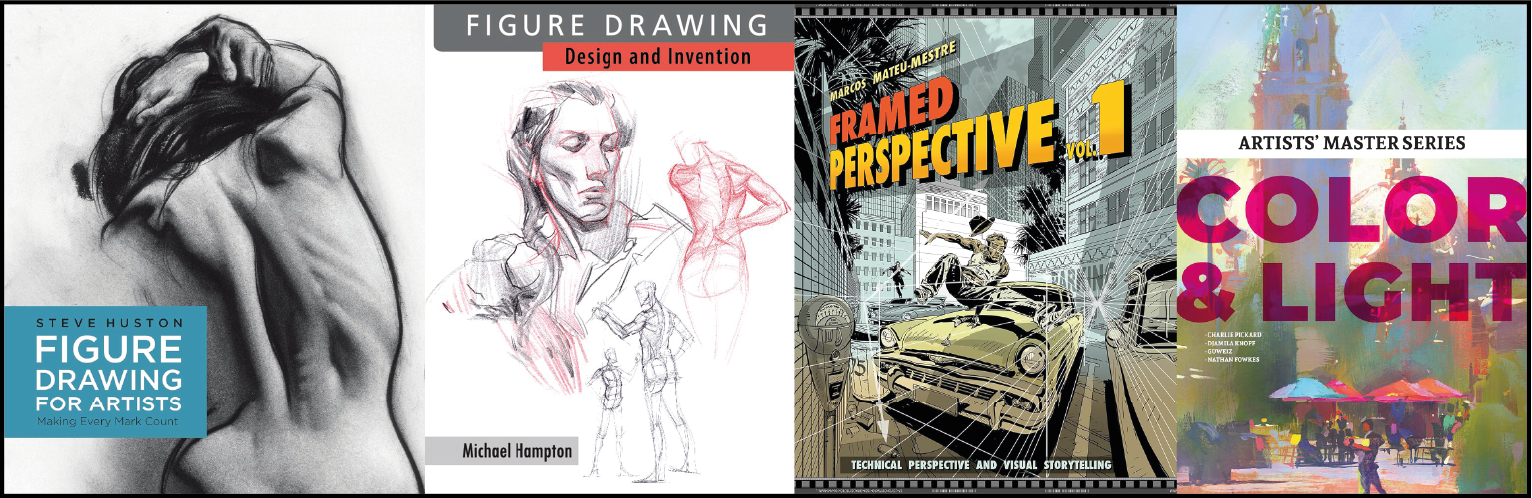
We now learn about core fundamentals that we will work on during our entire life as artists. Steve Huston’s Figure Drawing for Artists and Hampton’s Figure Drawing: Design and Invention are two complementary outlooks on figure drawing. Huston will help us understand gesture and structure through the analysis of masterworks; Hampton will help us understand how the human body is constructed. Do not neglect gesture which will infuse your drawings with life.
At the same time, we will spend some time pondering the more formal aspects of drawing through Framed Perspective Vol.1, the first in a series of books by Marcos Mateu-Mestre. Perspective makes up the formal rules that help us see three-dimensionality in two-dimensional drawing. We will also meet the laws of nature through our study of Color and Light. This stage is called core theory because it is exactly that, the fundamentals on which you shall rely on over time.
Stage 3: The Living Subject
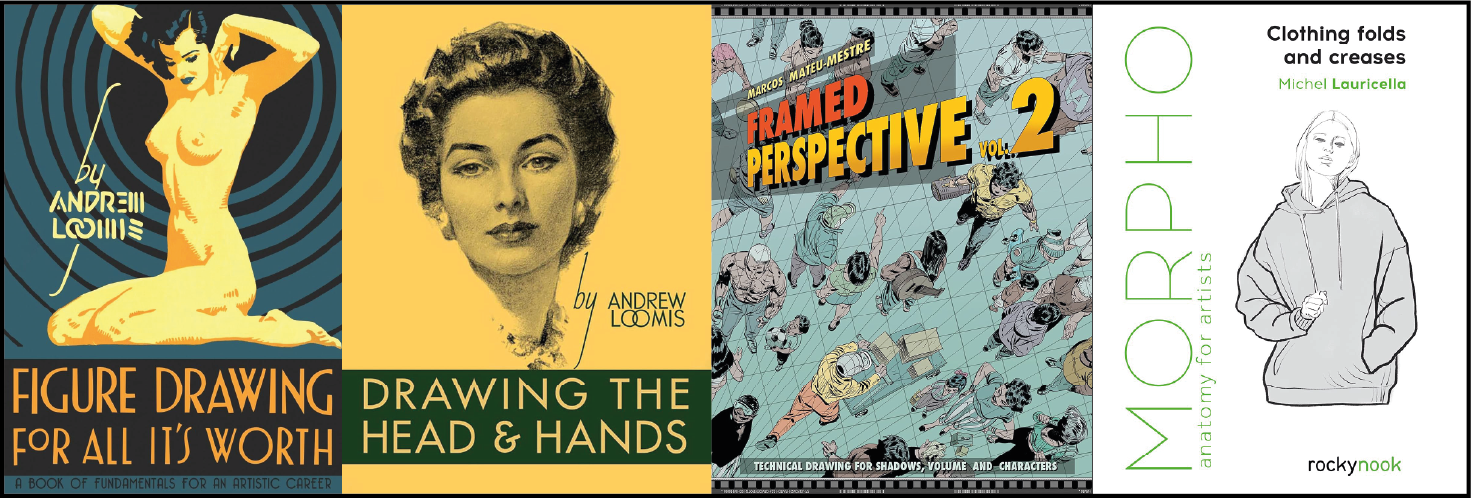
We now continue our exploration of the human body. Figure Drawing for All It’s Worth will help us get more technical about the body and its proportions. Drawing the Head and Hands will help us with some of the more complicated aspects of the human body. In Framed Perspective Vol. 2, we spend some time trying to apply what we learned in Color and Light by understanding light and shadows with characters in perspective.
Through this, we see how light and perspective interact to develop volume and three-dimensionality and give another layer of depth to our drawings. In Clothing folds and creases by the Morpho Anatomy series, we learn more about how clothing interacts with the human figure. Taken together, these four books allow us to understand the human body more dynamically.
Stage 4: Structure and Intent
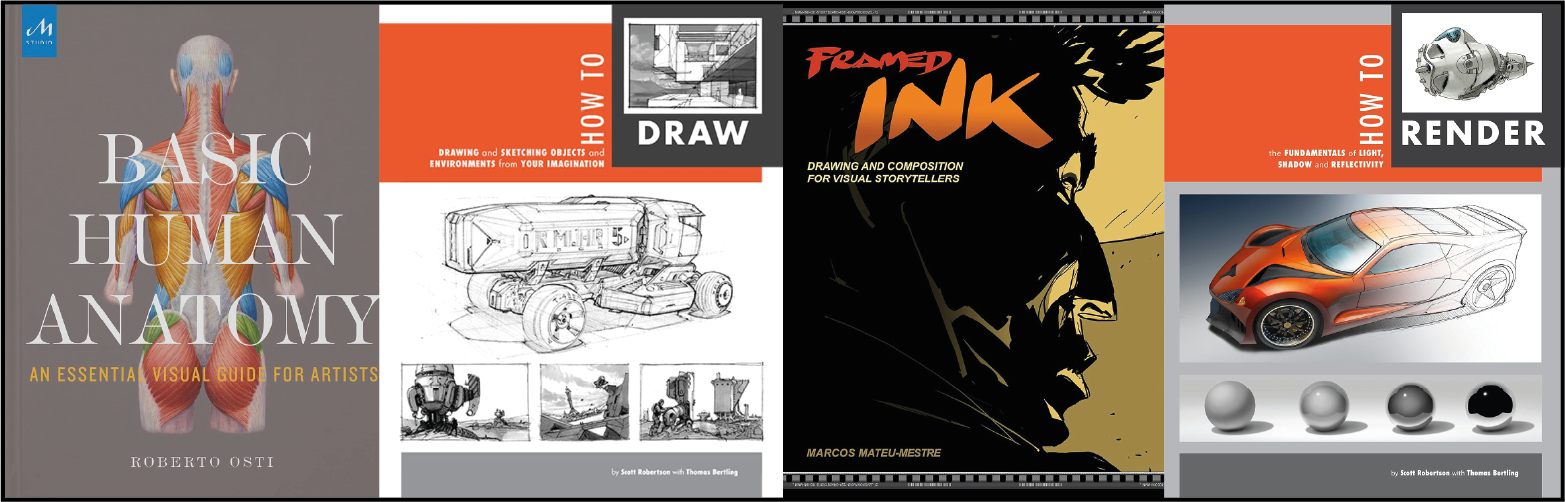
Through the past stages, we have gotten acquainted with a variety of art fundamentals. Now, it is time to put more structure in our drawing to more precisely transfer our ideas on the canvas. To do this, we need to deepen our understanding of everything we have already done. This starts with our first deep look at anatomy through Basic Human Anatomy.
In there, we learn how to simplify the complex structure of the human body into something manageable. Unlike figure drawing where we were mostly interested in keeping the general proportions right, here we start a profound study of the muscles of the human body and how they attach to the skeleton. We also perfect our understanding of nature through two books, How to Draw and How to Render.
The first one is a complete treatise on perspective culminating in complex technical drawings. The second one is a most thorough look at rendering including reflective materials. To tie it all together, we study composition through Framed Ink, allowing us to better construct beautiful scenes for our characters to shine.
Stage 5: Chasing the Details
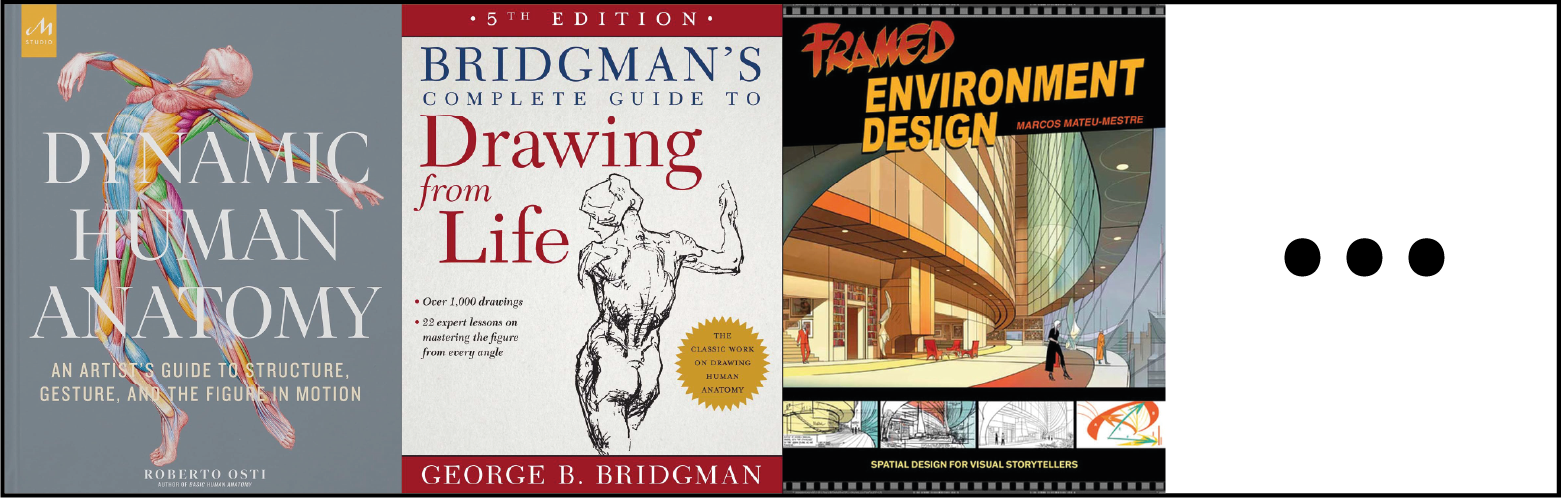
The final, unending stage. By now, you are already an accomplished artist. What’s left is to chase the details. To help us, we continue our anatomical adventure, first with Dynamic Human Anatomy. This picks up where we left off but as the title implies, helps us better understand human anatomy in movement. This ties back with our very first theme in figure drawing: gesture is life.
After this comes Bridgman’s Complete Guide to Drawing from Life, perhaps the most famous of drawing books. Here, we meet the human body in all its glory. In copying the book from cover to cover twice, the second time without looking at the references too much, we learn Bridgman’s vocabulary and his economical approach to anatomy which helps highlight structure, volume, and gesture efficiently in just a few lines.
The last recommendation is Framed Environment Design which will nicely tie all the Framed series back into one final look at how to apply all we have learned to create memorable backgrounds and environments in which our characters can live and develop. But this is not the end of the stage. The three dots signify you never actually stop chasing the details and it is now up to you to decide what to do next.
Studying the Stages
In the final section of Part I, I wanna tell you how I would go about studying through the stages above. First, remember to set your study slider. This will determine how much time you spend on the books in the roadmap and how much time you just have fun outside of studying.
As I mentioned in the How to Learn section, I start my drawing sessions by warming up with gesture drawing (using quickposes). After this, I study, which means I work through one of the books of the roadmap. But which book? Each stage past the first one has a group of three or four books, so do I just study them one after the other? All at the same time?
Personally, I am a big fan of studying two topics at the same time. I feel like more than this is just too overwhelming. A single topic at a time is fine too, but it can get a bit boring in my experience.
If you also decide to study two at a time, I recommend studying Huston and Framed Perspective first in stage 2, both Loomis books first in stage 3, then probably Basic Human Anatomy and How to Draw first in stage 4, and whatever you prefer in stage 5. By the way, do not hesitate to go back and revisit some of the books from previous stages, there is still a lot you can learn from them. Remember, your eye is constantly getting better so if you revisit Huston in stage 4 (say) you will see a lot more things than when you just started out with it. Learning is not entirely linear.
Some textbooks will have a really clear structure that makes it easy to learn from such as How to Draw where you can apply the different techniques immediately. Others look more like references you will have to copy to best understand what they have to tell you like Loomis. Some books will have exercises although I still encourage you to copy and understand their drawings, Huston being a good example of this.
Sometimes, the best way to understand a textbook is to try to directly apply specific sections from it to your studies. This is especially true for rendering books such as Color and Light and How to Render. Studies such as value studies and copying masterworks from your favorite artists are studying and you should treat them as such. They will help you just as much (if not more) than going through the books.
Ideally, you will do both and try to constantly apply what you learned in the textbooks to your studies and original drawings.
I wish you luck and success.
Part II: General Resources
This part is meant to showcase a variety of resources to help you learn how to draw. I personally learn better from books than from video courses, so I will add the courses at the end of each topic. It is separated in roughly three parts: foundations, the human form, and creative design.
Honestly, it’s a bit arbitrary but I did have to separate things somewhat or it becomes hard to track. The rendering section is pretty big because it includes both stuff like how light works and also how to render the human body. Lots of books are in Japanese. If you can’t understand Japanese but still want to read them, scan them and use an OCR. Or just look at the drawings, that’s usually where most of the info is anyway.
Foundations
Here, I would like to discuss resources to help you learn what you will need in order to draw well in a variety of situations. As mentioned before, I would recommend anyone to start with construction.
With this out of the way, let’s start.
Construction
Construction is the process through which you use simple forms to simplify and represent reality. This requires two things: being able to see things for what they are and learning what shapes can simplify yet retain the essence of what you’re drawing, what Steve Huston calls “simple yet characteristic” forms.
This should be the first step you take towards learning how to draw and proper construction creates a three-dimensional look to your drawing. Of course, a two-dimensional look is cool too and was very popular in various places and at various periods of human history, but this is not what we’re aiming for right now. Better to be able to do both 2D and 3D than to only be able to do 2D.
Books
Keys to Drawing, Bert Dodson
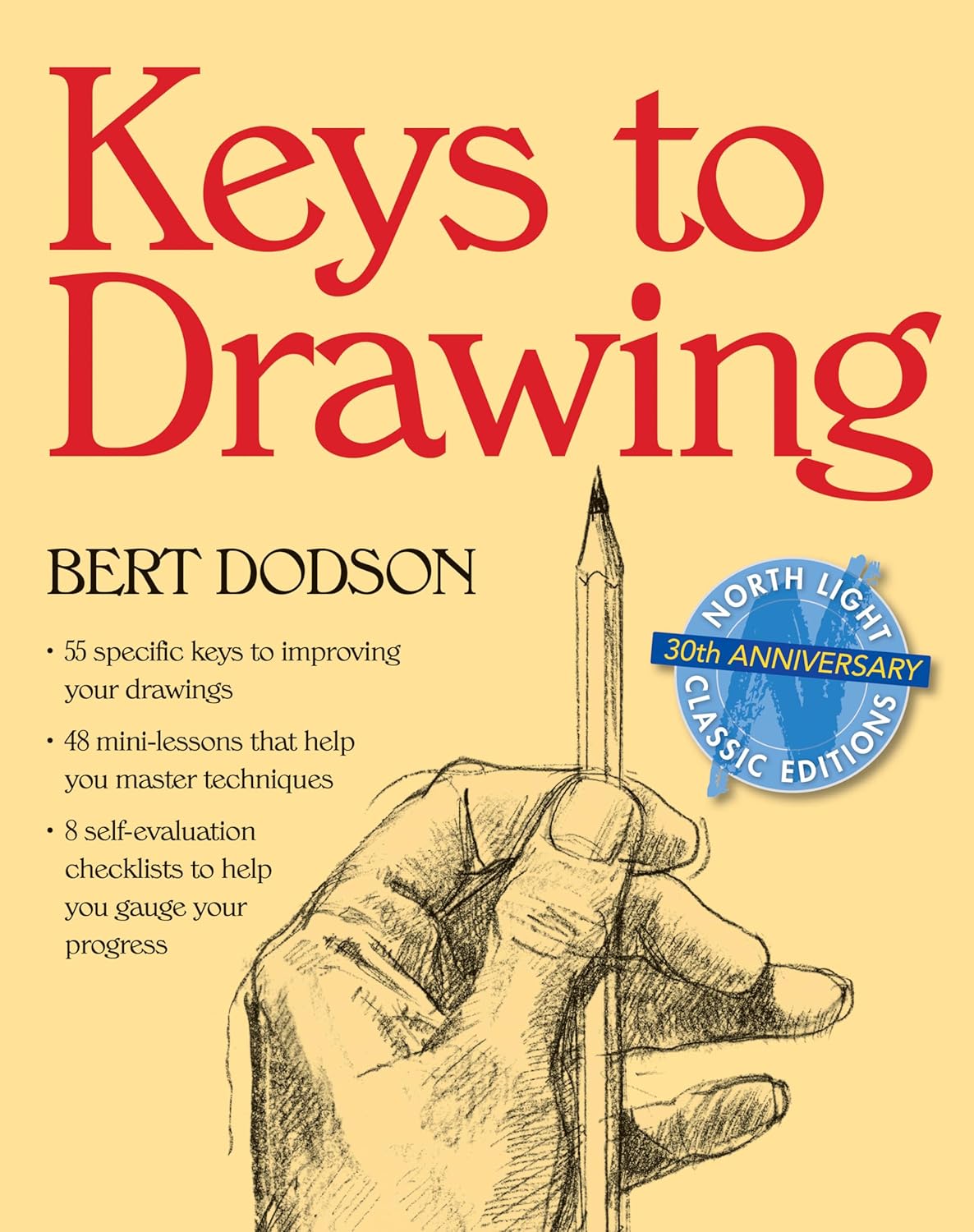
A classic, somewhat old school introduction to observation and construction. Personally, I found it had slightly too much text for my liking, but the advice in there is pretty good so it’s fair enough. It’s also pretty gentle, so it’s a good first introduction if you’re somewhat scared of learning how to draw. Some of the exercises were particularly interesting, but I ended up looking for something else.
The Art and Science of Drawing, Brent Eviston
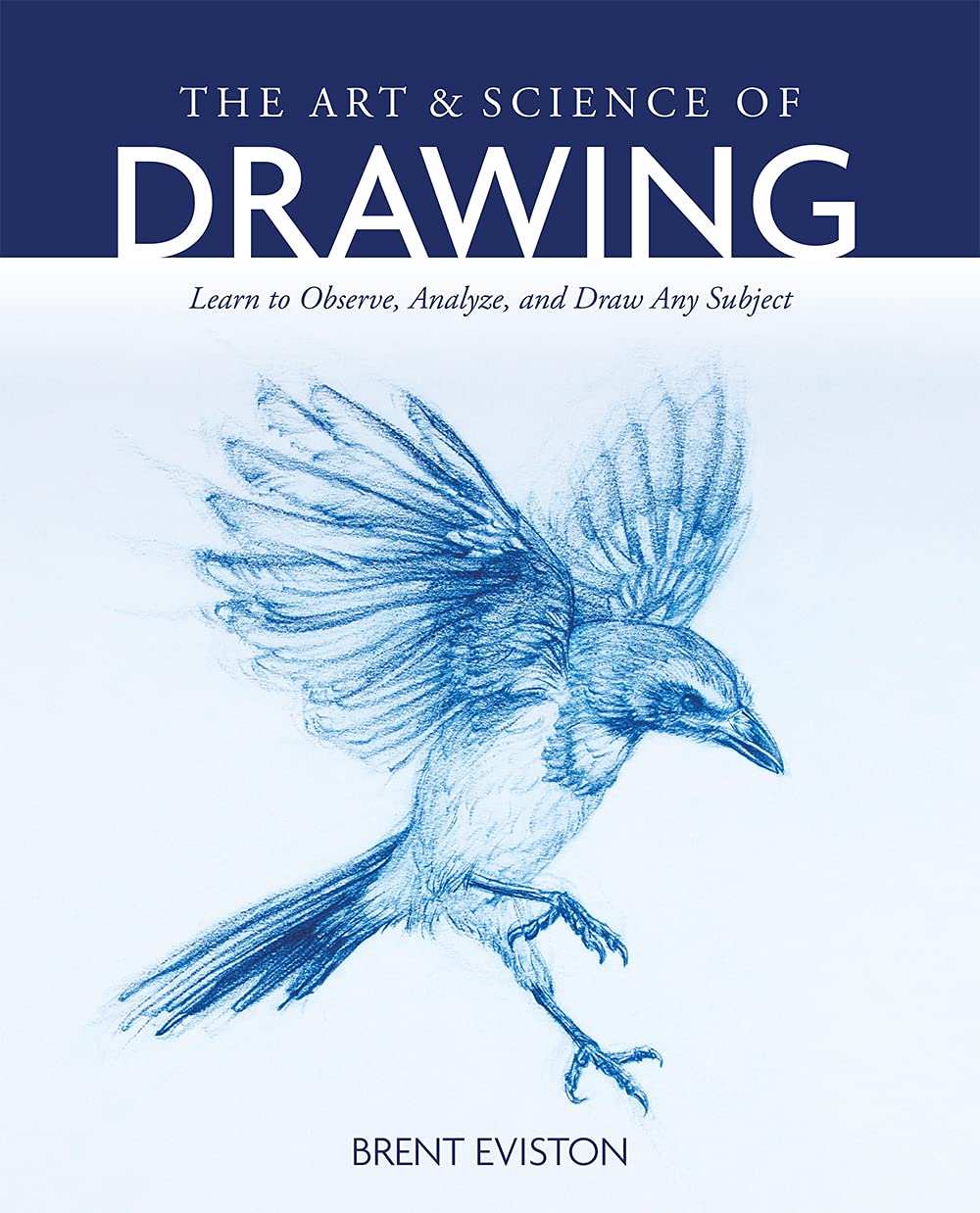
That’s my preferred book for learning construction. The book is pretty complete. Eviston is a great artist (those birds!) and he teaches well in my opinion. His explanations of things like mark making and measuring were well suited to complete beginners and I felt like I learned a lot. Greatly recommended.
Fun with a Pencil, Andrew Loomis
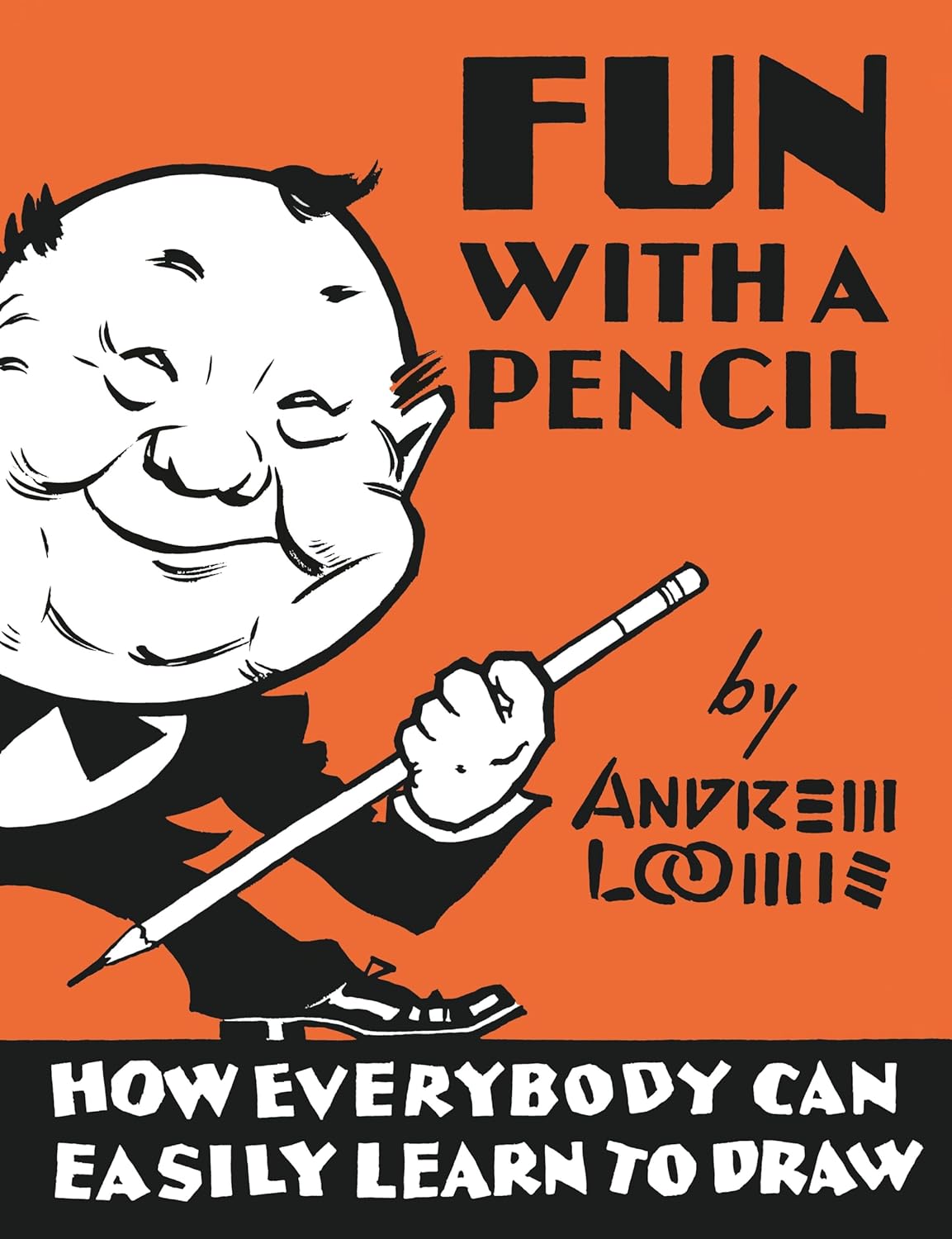
The classic recommendation! Loomis is one of the most well known art instructor for a good reason. Fun with a Pencil is perhaps his most accessible work (at least from those I have seen and listed here), although the presentation is very dated which might deter some. His approach to drawing heads is now standard and very often taught (sometimes in a slightly modified form) as the construction method for heads. He studied under Bridgman (along with other popular artists such as Norman Rockwell) and it shows. This is the first book I tried to read when I first tried learning how to draw, but the language and style somewhat put me off.
Courses
Drawabox, Irshad Karim
Perhaps the most well-known free art course available right now, Drawabox aims to teach you observation and construction in seven lessons and a few challenges along the way (such as the famous “250 boxes” one). It’s free so I can’t complain much, not to mention it’s pretty good. Personally, I only did the first part and the challenges because afterwards I went to Eviston’s book, but I’m sure the rest is good too. The community is a highlight too.
Dynamic Sketching I, Peter Han
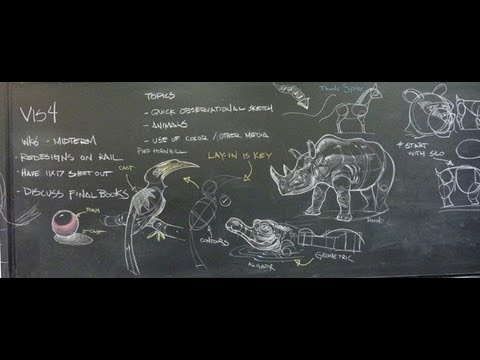
Drawabox was created based on this course by Peter Han, so it tackles the same topic. In my opinion, this is harder than Drawabox because it doesn’t hold your hand as much, but at the same time, the two people I know that went through the course seem to have actually learned a whole lot from it, so it’s worth checking out at the very least. If you feel like Drawabox is too verbose or too boring, maybe try it out.
Perspective
Perspective is a set of rules developed a while ago to understand how to create a three-dimensional effect on a two-dimensional plane such as a sheet of paper or a computer screen. As such, it helps us understand volumes in space and is an invaluable tool to make our drawings “realistic”, whatever that means. It’s particularly helpful when drawing complex, urban backgrounds (which just happens to be my favorite thing to draw) but it’s also tremendously important for characters, because their construction almost always involves simple forms in space. The way to render these forms realistically is what perspective is about.
Books
Perspective Made Easy, Ernest R. Norling
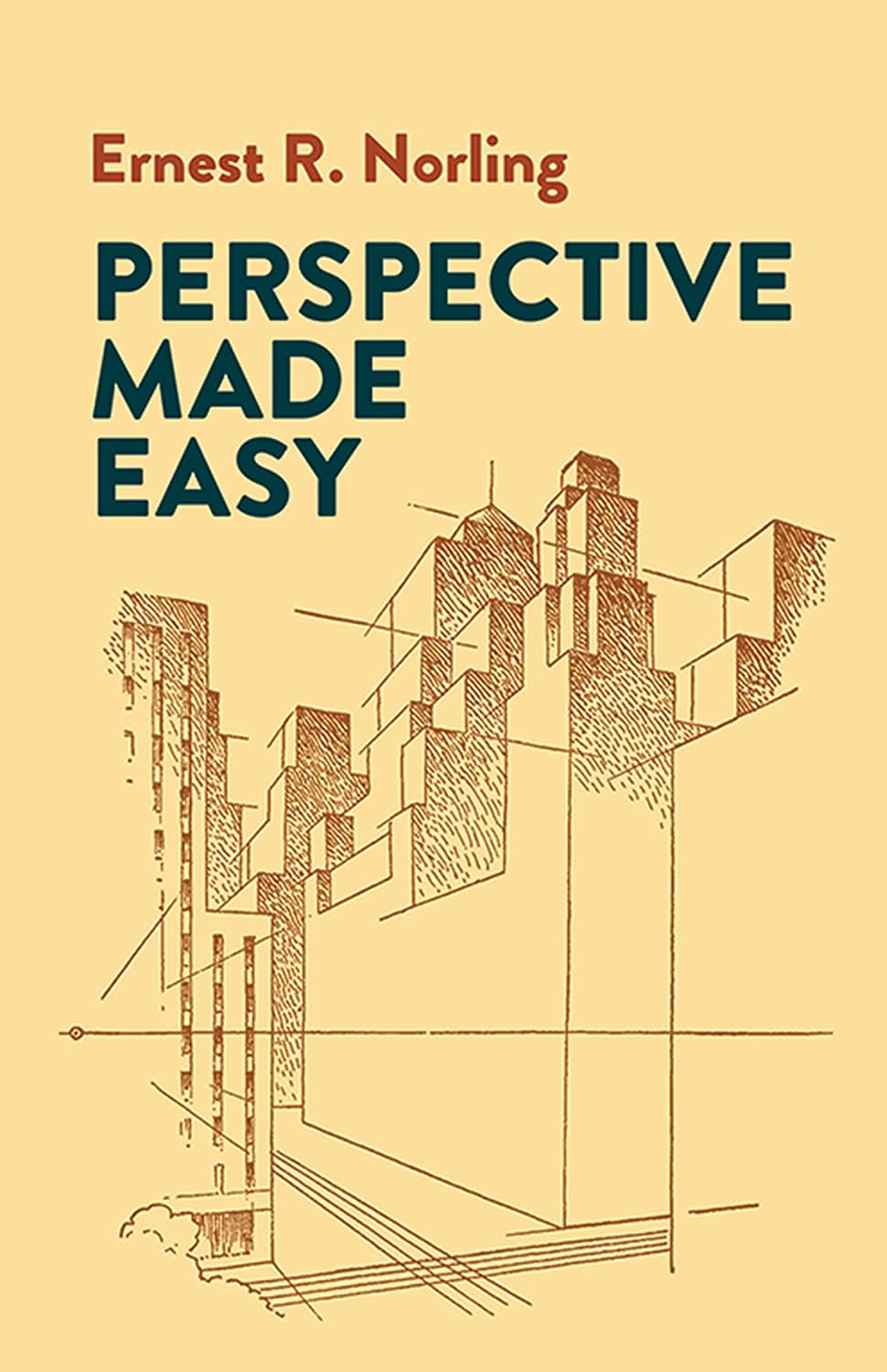
The first book on perspective I ever read. Actually, I read this even before I wanted to learn how to draw, partially because perspective is quite mathematical in nature, which is my background. Some of my friends thought this was a bit hard, but I think it’s just a bit old school. In fact, it’s published by Dover which basically prints old books for extremely cheap. Honestly, I like it a lot but I guess some people would prefer something a bit more modern-looking.
Framed Perspective Vol. 1, Marcos Mateu-Mestre
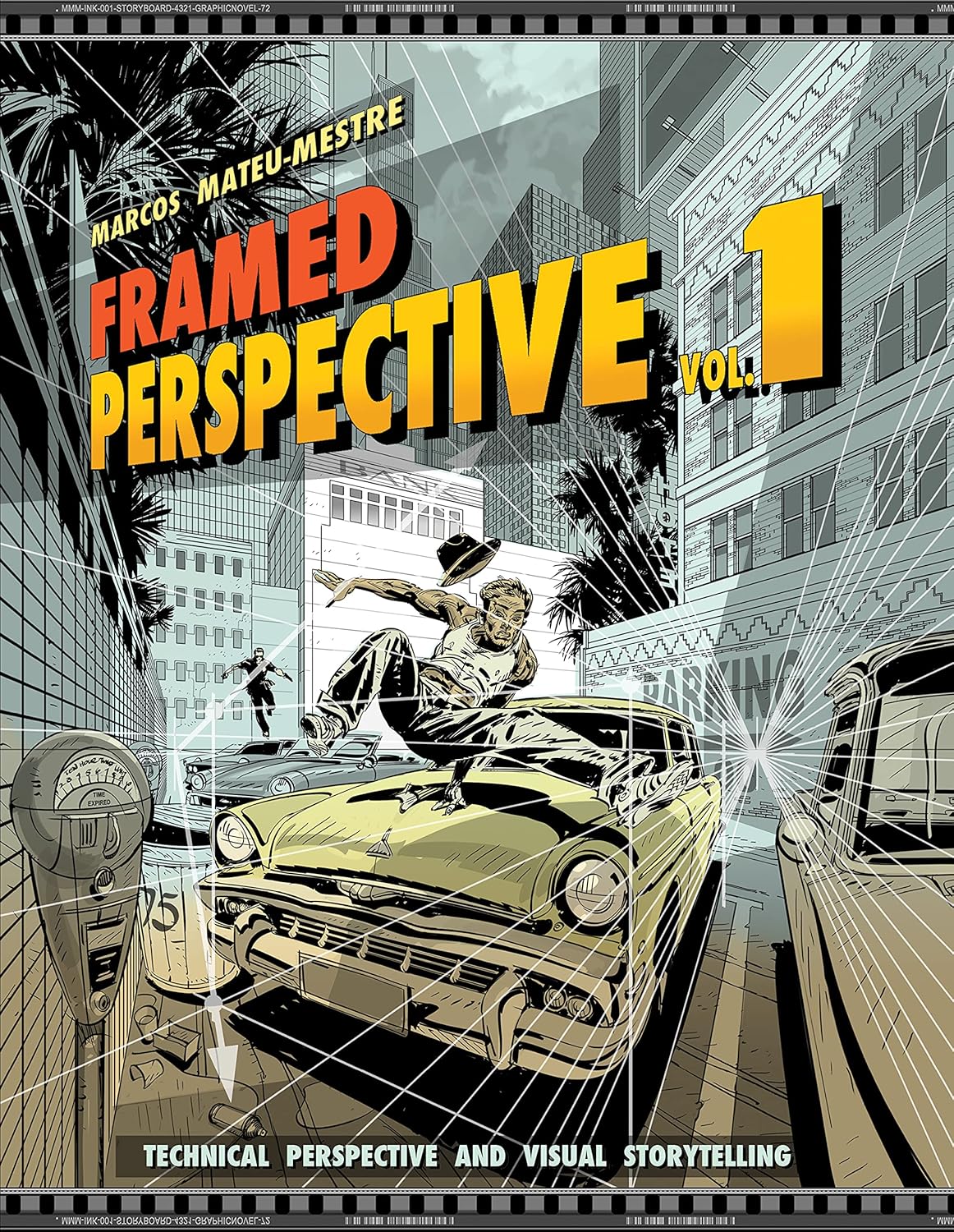
My personal recommendation for people interested in learning perspective as it relates to characters. In general, the explanations are cool with beautiful drawings that really make you want to dig more into it. Because of my mathematics background, I prefer something more formal like the book below but I would still recommend this to just about anyone.
How to Draw, Scott Robertson
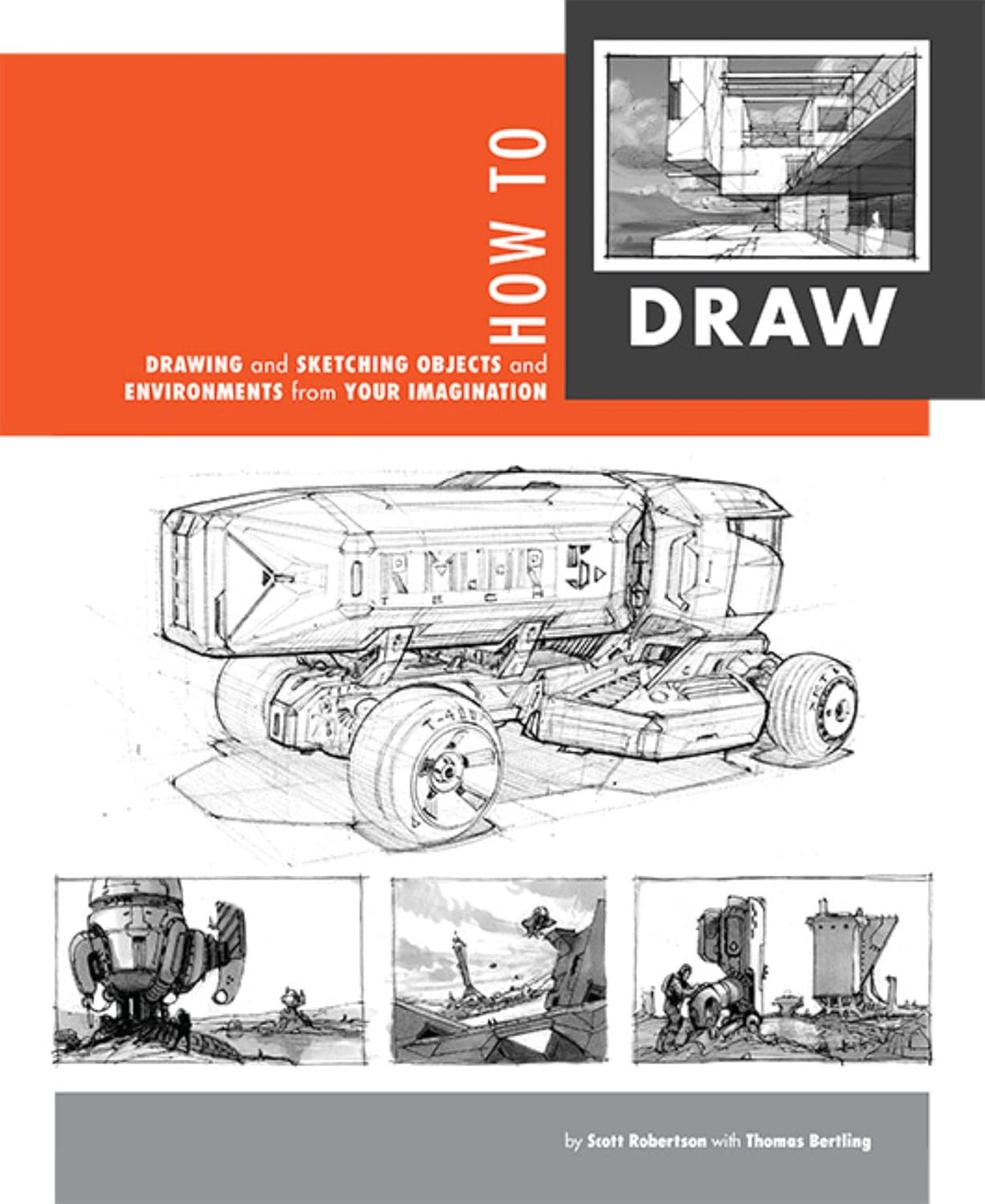
Now that’s the stuff. If you’re serious about perspective, you should study from this book. If you’re not serious about perspective, you should also study from this book. This is Robertson’s fantastic first book in the “How to” series which deals with perspective, from the very basics to the advanced stuff. The final chapters are kind of like the final sections of Drawabox on steroids. It’s a tough but worthwhile read that will help you tremendously to understand space and volume. My favorite part is the perspective grid chapter.
パースのレッスン, Susie
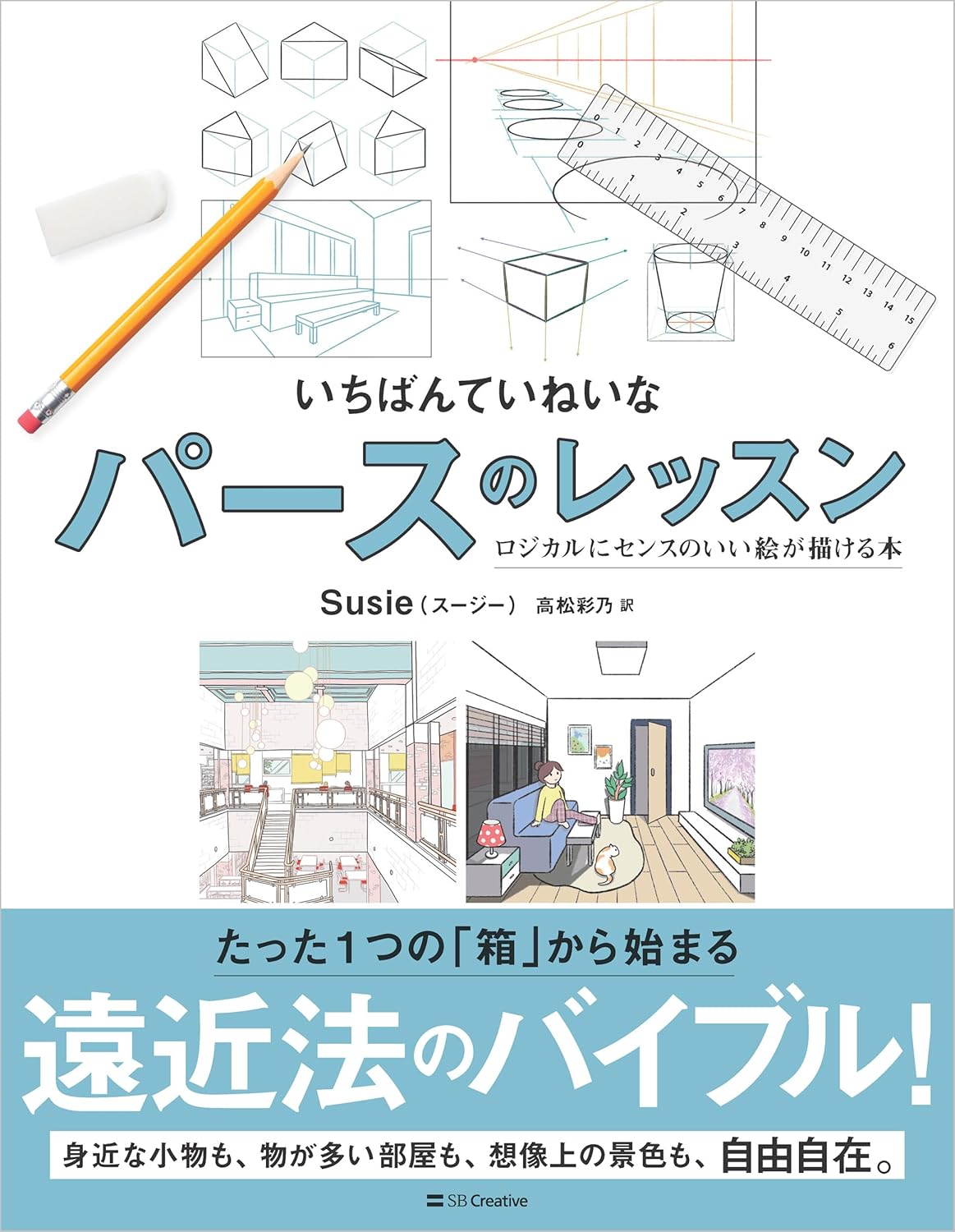
A very recent textbook on perspective that I found on the top shelves of Maruzen a bit ago and couldn’t stop checking out. Usually when that happens it means I have to buy the book, and I regret not doing it. That being said, I did spend some time flipping through it and I thought it was extremely well made. The explanations were clear and the organisation itself was nice.
Perspective and Depth, 3dtotal Publishing
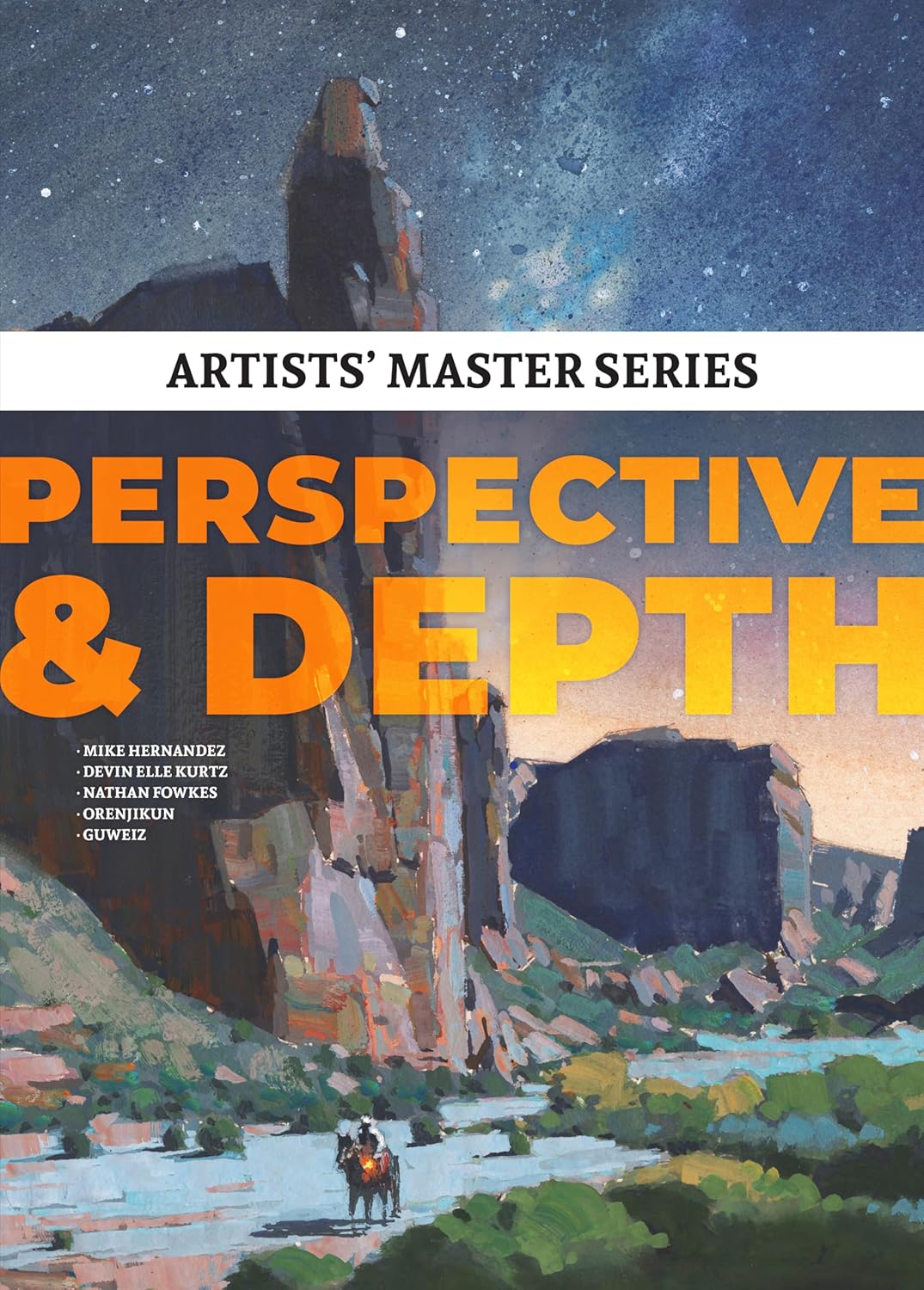
Full disclosure I have not read this book yet, although I plan to buy it soon. So why is it here? Because this is in the “Artists’ Master Series” and their first book on Color and Light was so good that I expect them not to disappoint with the other books they put out. But this is tentative, if it sucks when I get it, I’ll take it out of here. This also holds for their book on composition which will come later.
Courses
How to draw (the) human body in perspective & others, Krenz Cushart
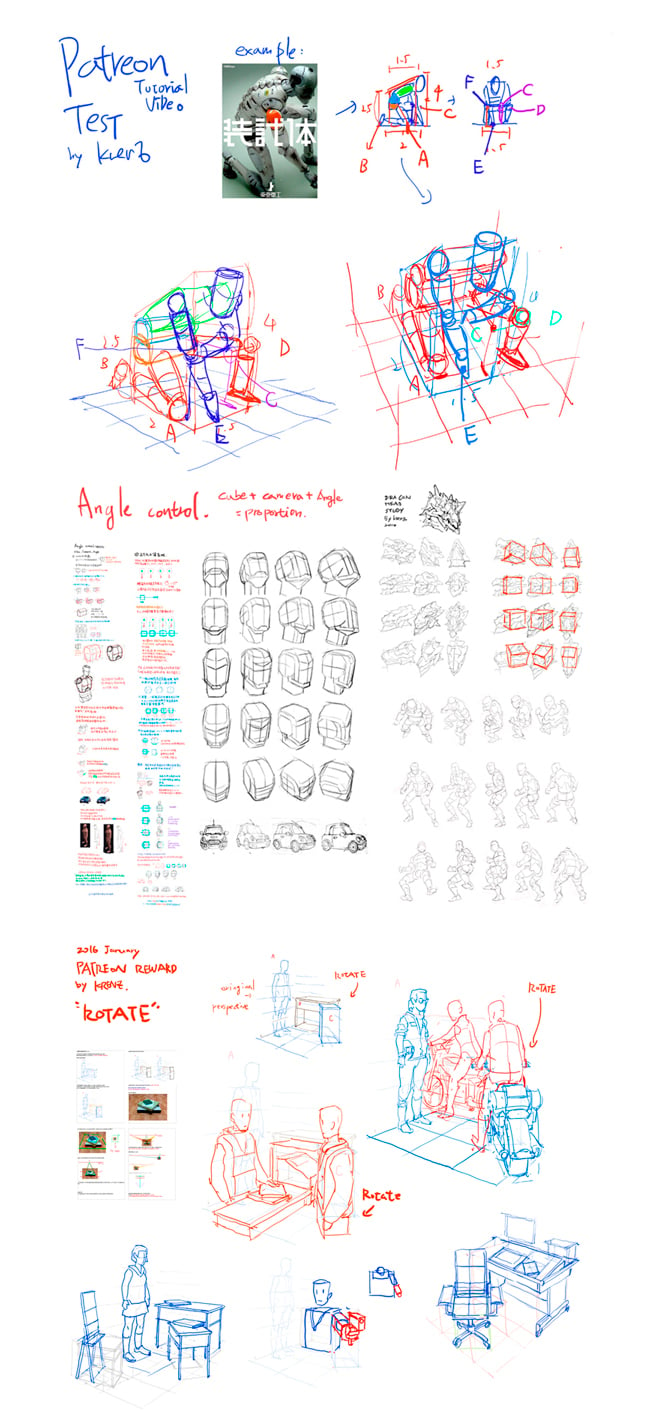
Krenz is a master although his stuff is sometimes hard to understand. Still, he’s such a good artist and this advanced tutorial is really useful to applying perspective to your characters.
Linear Perspective Master Course, Erik Olson
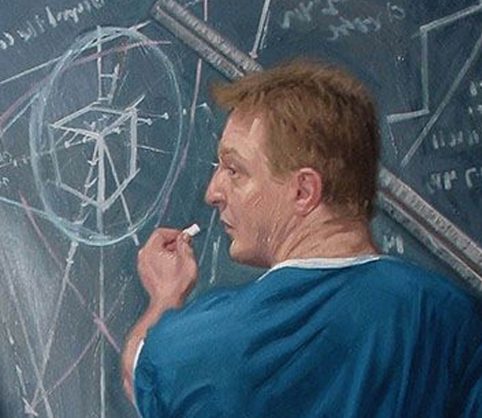
This is an extremely comprehensive look at perspective, including some difficult topics. I highly recommend you do not start with this straight up if you haven’t seen perspective before because it’s a bit overwhelming. Instead, I would use this as a second look, at the same time or replacing Scott Robertson’s How to Draw.
Rendering
Rendering is about painting through color and light. These two are often packaged together because, well, color is perceived through light. This is also where shadows, i.e. the partial (or total) absence of light, usually get treated.
Books
Light for Visual Artists, Richard Yot
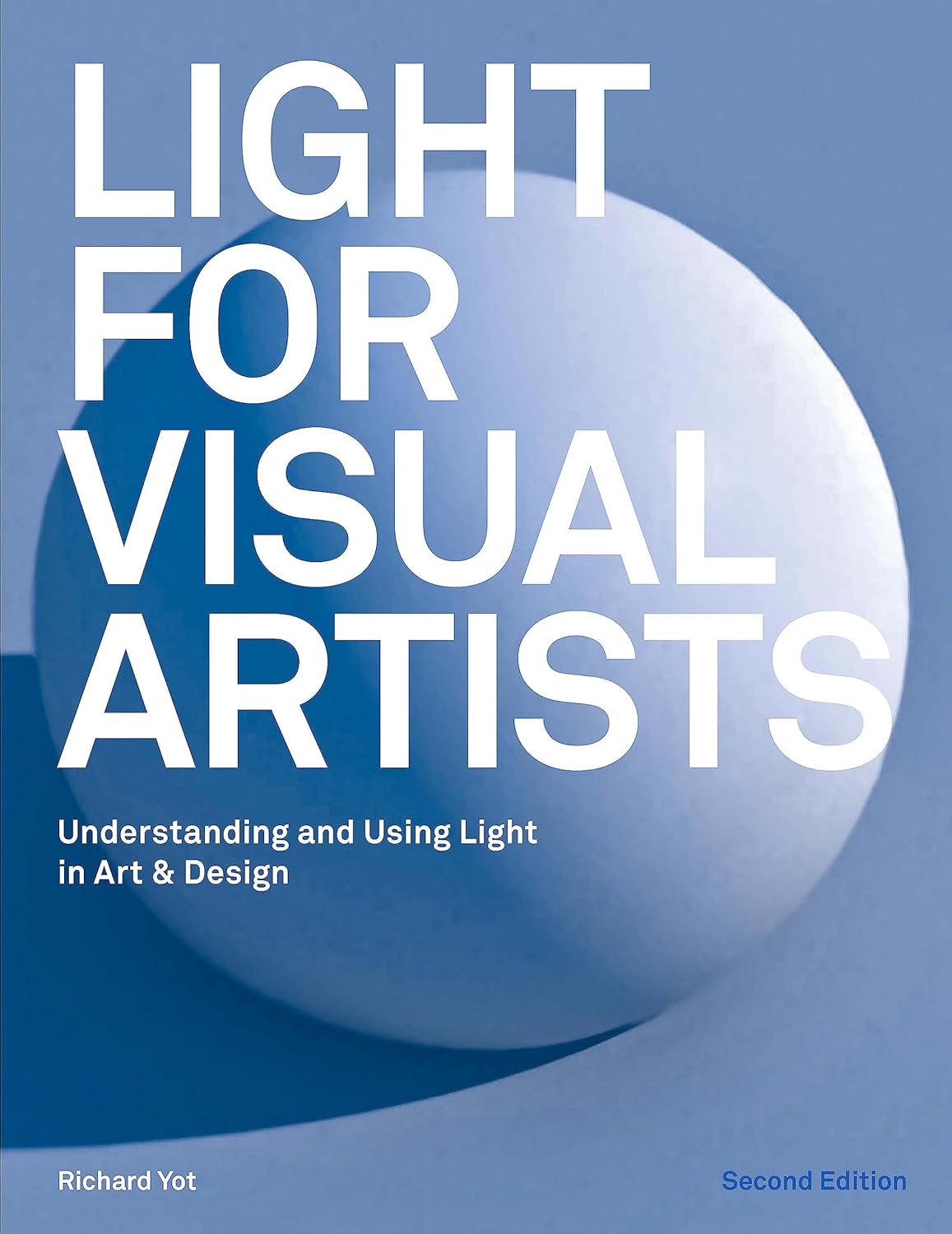
An introduction to using light in visual arts. It is thus not just aimed at illustrators, but the explanations are quite clear and not too overly technical in my opinion. Still, I sometimes find it a bit hard to apply, personally.
Artists’s Master Series: Color and Light, 3dtotal Publishing
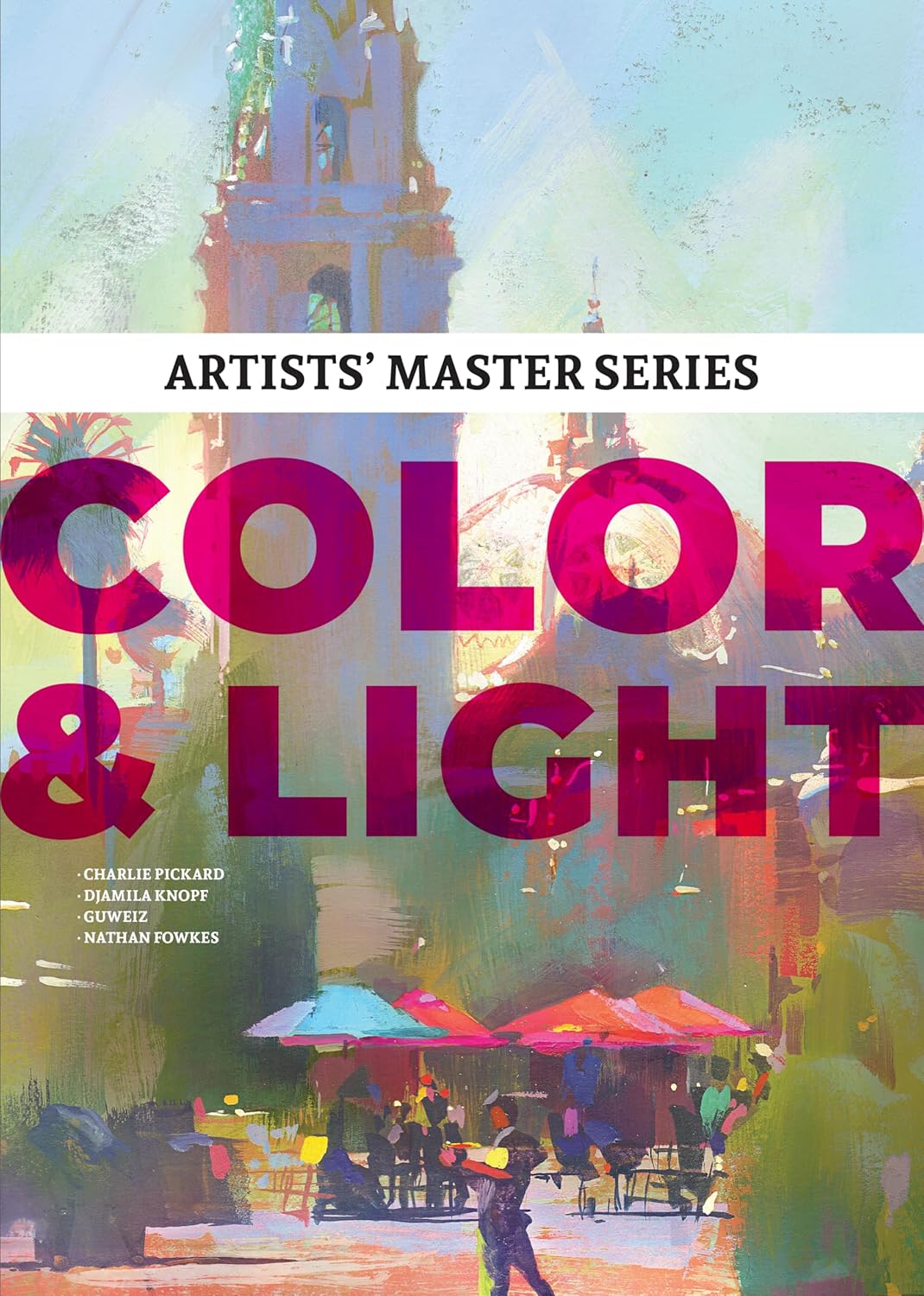
This book is a part of 3dtotal Publishing’s line-up and focuses first on color and then on light, splitting the subject in three different parts. I think this has my favorite explanations and is the perfect reference book. And I mean, any book that has Guweiz, Djamila Knopf and Nathan Fowkes is bound to be phenomenal. Highly recommended.
ライティングの教科書, バニリゾ
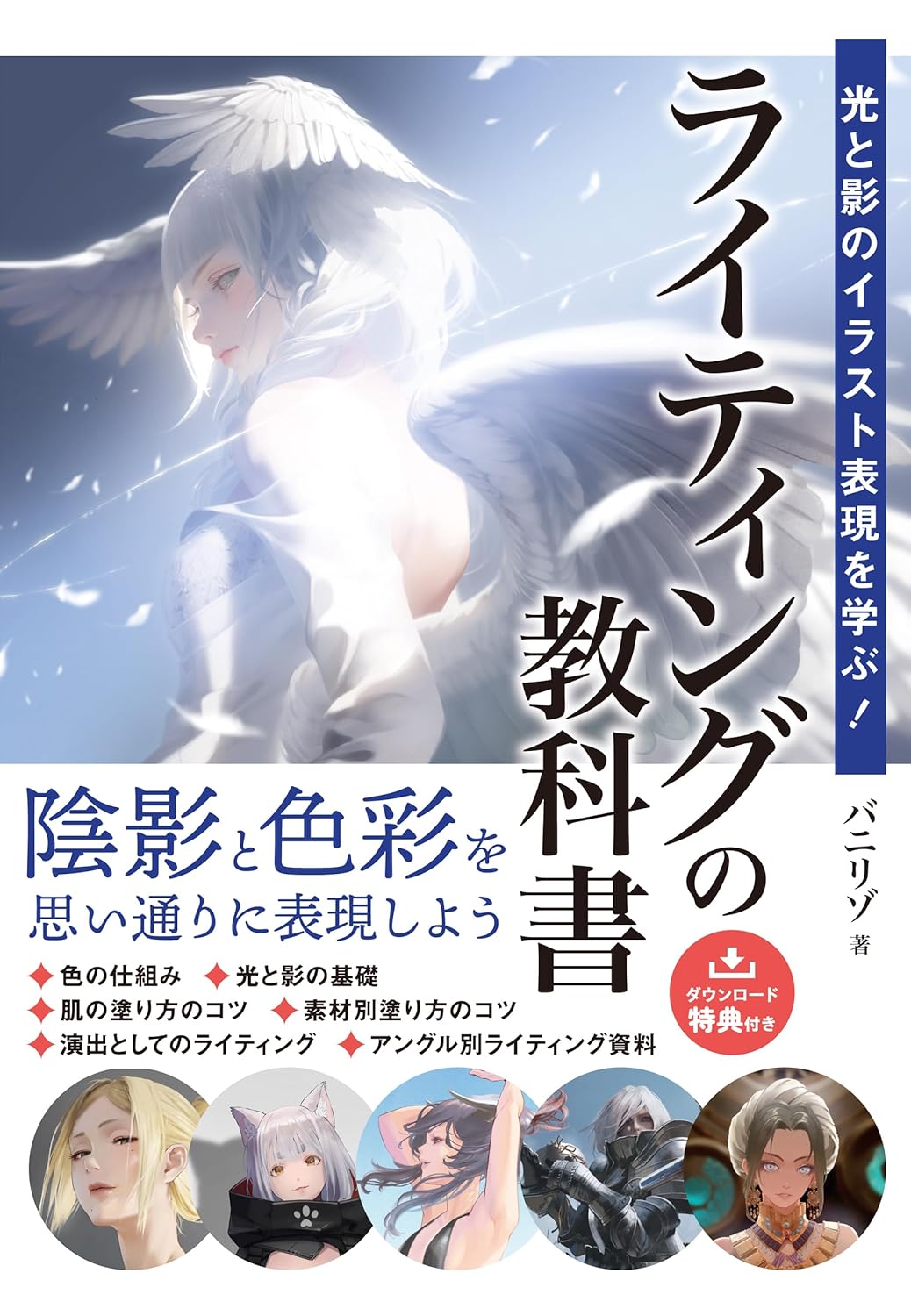
Now that is the book I would pick up for understanding light on (anime) characters. The way it breaks down the various parts of the body and how they react to light (and more importantly, shadow) is a real highlight (pun intended). In particular, chapters 4 and 5 focus on コツ which I found pretty useful.
影指定ワークブック, YURIKO

Very cute book. Basically, it’s a workbook that teaches you where to put shadows in your anime drawings. I would use this either as an introduction to shadows and light to get convincing illustrations quickly, or after you actually understand how these things work to see how they’re put into practice in anime-style drawings.
線と陰, toshi
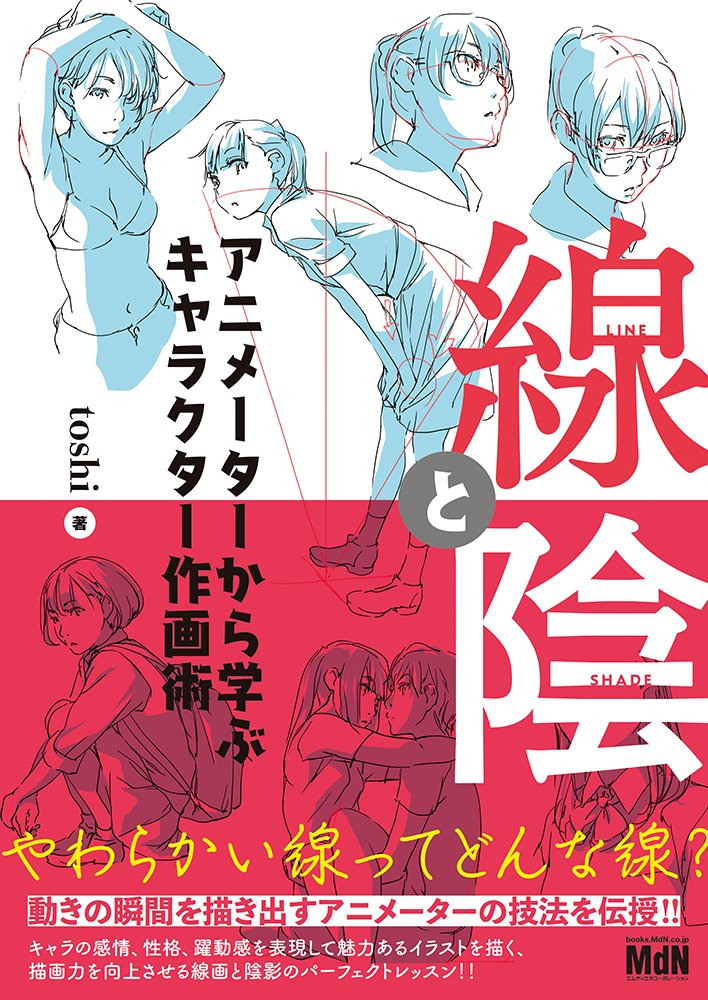
We are going to see many books by toshi in this guide. This one focuses on an animator’s point of view when it comes to shading. It describes a lot of dynamic poses from many angles with a lot of tips and tricks to understand how and where to fill in shadows properly. Great stuff.
Framed Perspective Vol.2, Marcos Mateu-Mestre
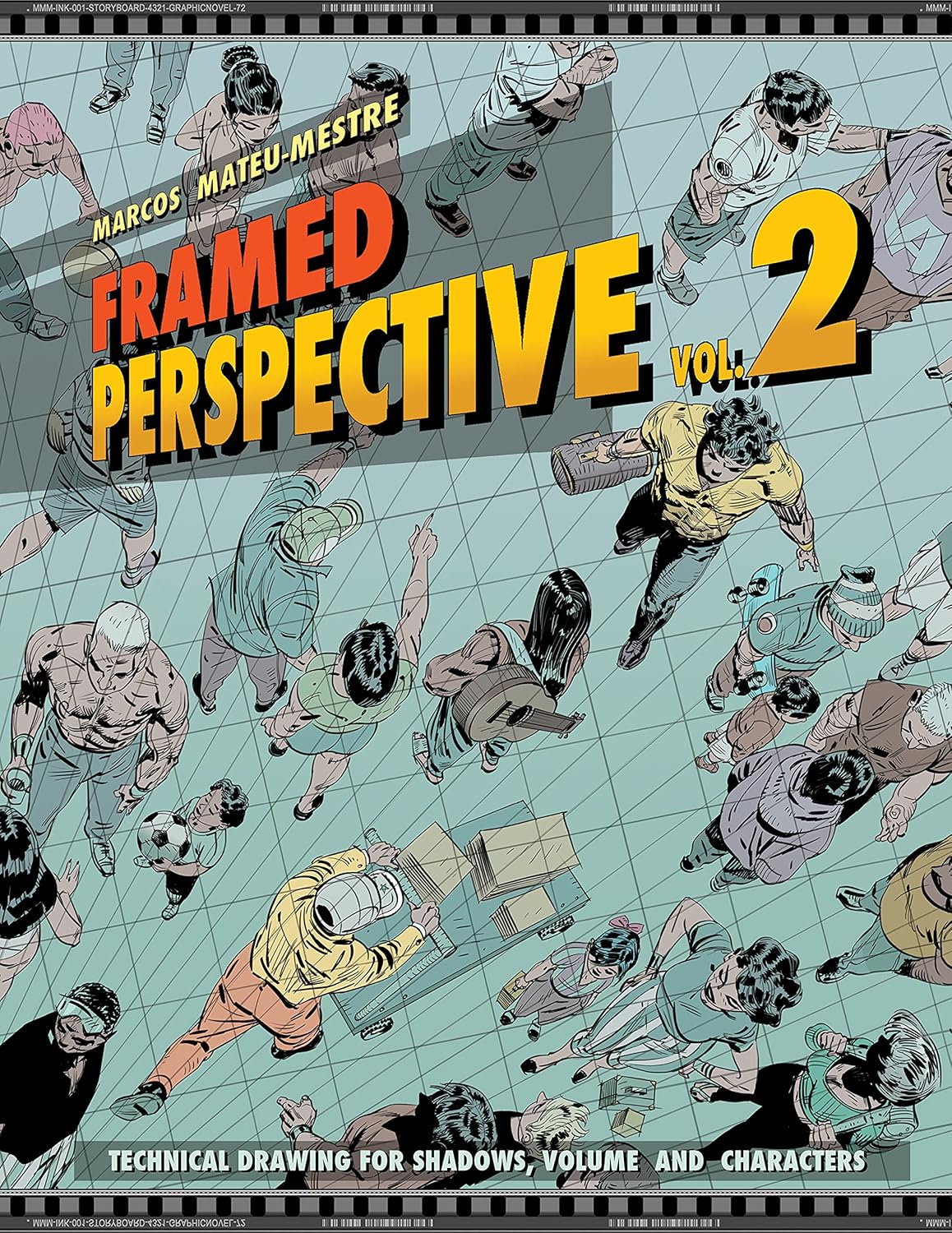
This is the follow-up book to Marcos Mateu-Mestre’s other very famous book Framed Perspective Vol.1 which we saw before. This second book aims to help you draw shadows in perspective. If you liked the first one, I recommend looking at this one too.
How to Render, Scott Robertson
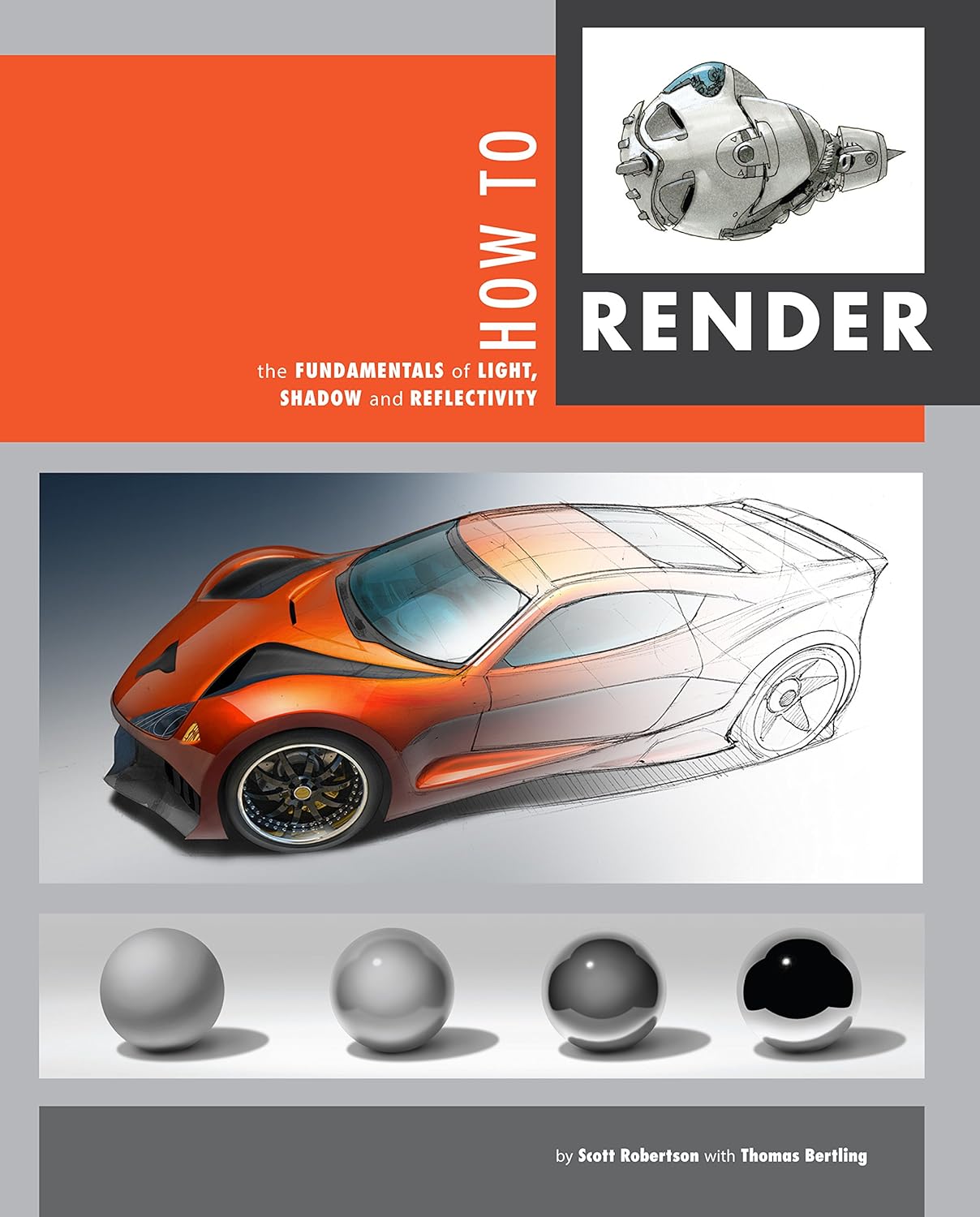
This is Robertson’s second book in the “How to” series, building on the first book about perspective we saw before. If you loved the first one, you’re likely to also like this one. I consider this to be the final say on rendering just about anything and it’s more of a reference for me currently, though the explanations are surprisingly understandable. I genuinely think any artist should study this book cover to cover at some point. I know I will.
Color and Light, James Gurney
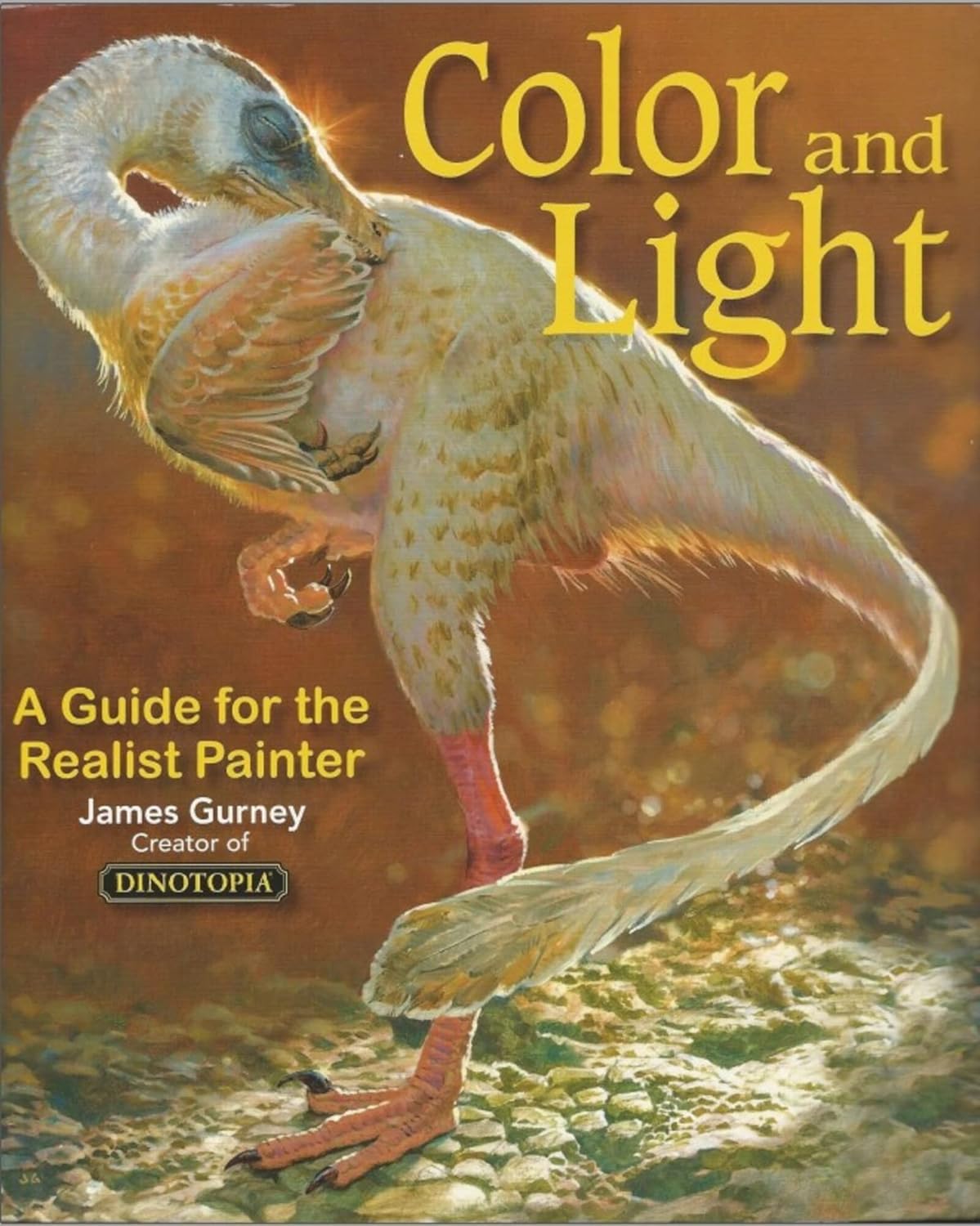
Ok, ok, I know this is what you were all expecting. James Gurney is a fantastic artist and I’m sure his books are fantastic, but to be honest I consider this to be a bit above my paygrade for the moment. It’s here as a reference and I will come back to it, but for now I can’t say much other than everyone seems to be praising this book, so it has to be good, right? Anyway, I would probably use this as a second look at color and light, but maybe it’s just me. Anyway, he also has another famous book named Imaginative Realism, although I don’t know anything about it.
光と色のチュートリアル, Rino Park

This book is part of a whole series of tutorials that were translated in Japanese. The author is a fantastic Korean illustrator whose work I encourage you to check out. I haven’t touched this one much but it reminds me a lot of the other ライティング book I mentioned above. Apparently, there is a version on coloring in the same series called 色塗りチュートリアル. I don’t know about it, but I heard it was slightly easier.
モノクロイラストテクニック, jaco
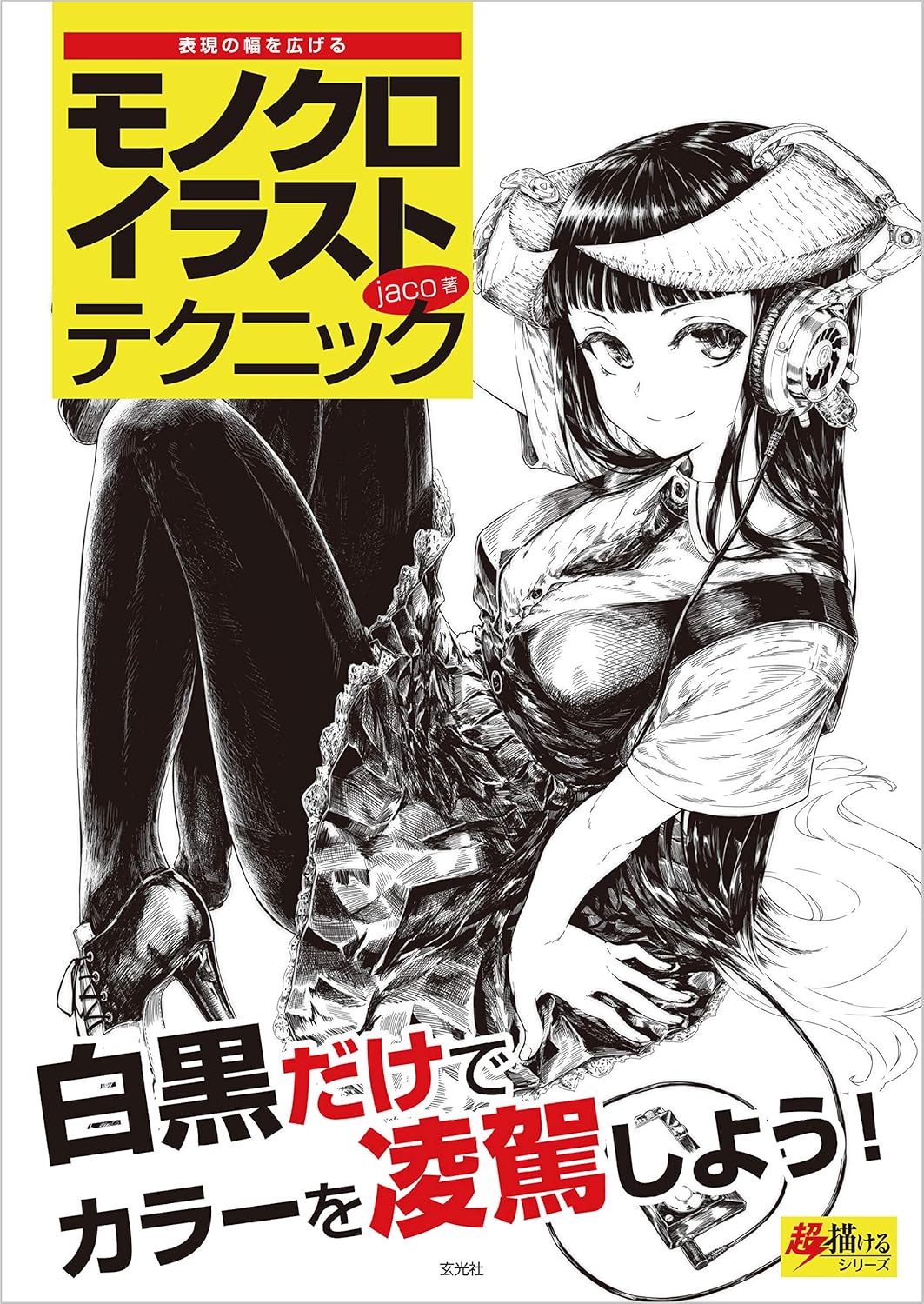
A great book by a fantastic author that focuses on monochromatic drawing techniques. One might argue this fits better under figure drawing or whatever, but the focus is on shading and monochromatic techniques so I’ve decided to put it here. If you want to see what the author’s work looks like, check this book out.
透明感の描きかた, 朱里 et al.

This book touches on one of my favorite anime style, drawings that have 透明感, a sense of “transparency” I guess, I’m not sure how to translate it. But well, just take a look at the cover. Does that look cool and something you might wanna be able to draw and render? Then get this book.
透明感のある女の子イラスト, 優子鈴

Just like the above, except this one is literally about using watercolor. Honestly super cool but I’d rather render digitally. If that isn’t you, maybe get this.
「肌塗り」の秘訣, mignon
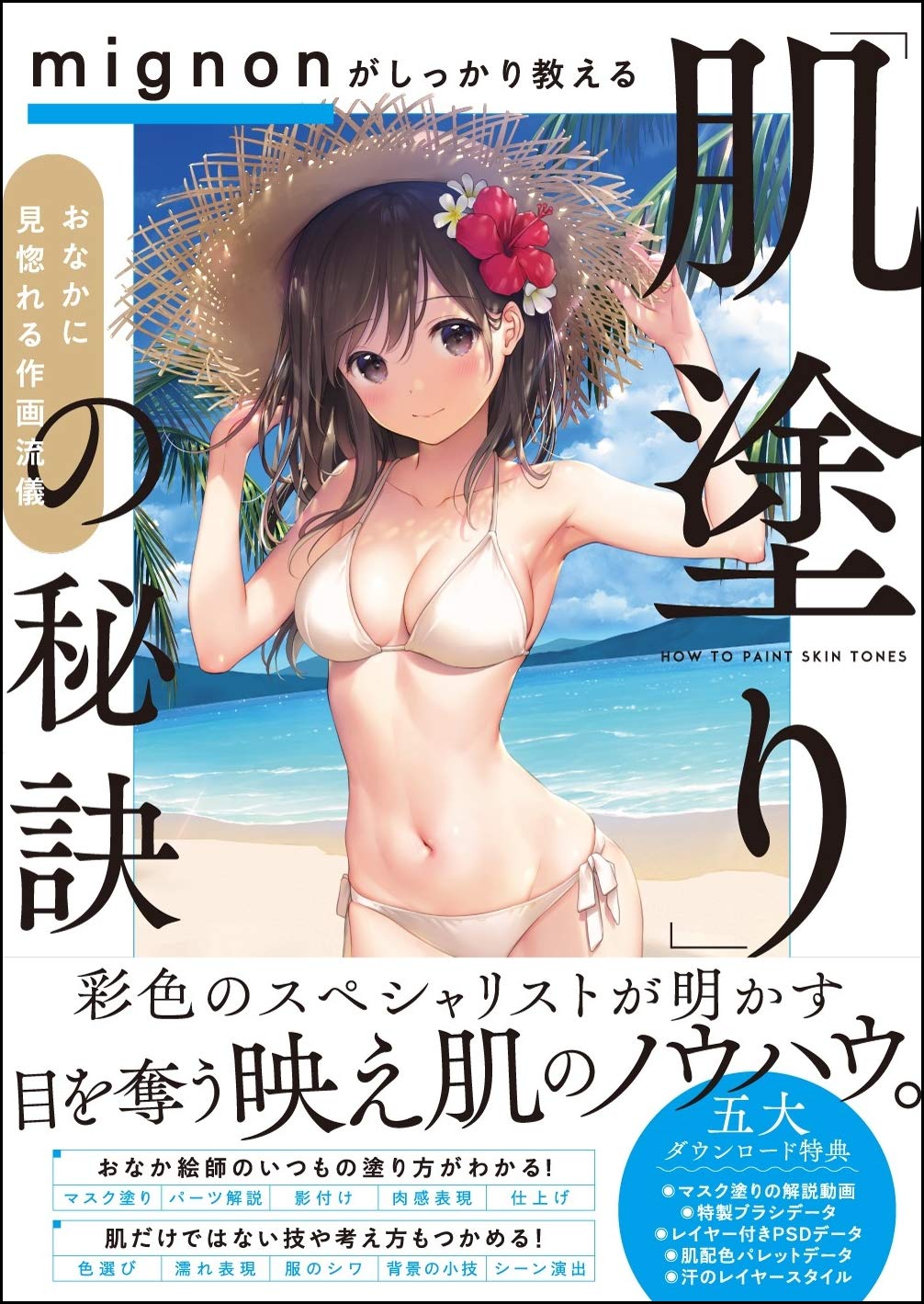
This book is part of a series where masters lecture on the topic they are most famous for. In the case of mignon, it is most definitely rendering the human skin. This is invaluable if you draw anime characters.
デジタルイラスト「塗り」の教科書, **

In Japan, an entire category of textbooks exists where a variety of famous illustrators are asked to show how they approach a certain things. Here, it is about rendering. Usually, these books will focus on a specific rendering tool as well, here it is Clip Studio Paint. There are many like this, and I think it’s worth getting these once you understand the basics already and want to see how masters approach a variety of subjects. This one is good but there are others such as キャラ塗り上達術, 真・キャラ塗り上達術, デジタルイラストの「キャラ塗り」最強事典. You can get all of them if you want, but I would rather suggest you only get one if it has an illustration you particularly like and want to understand how it was done.
美しい幻想世界とキャラクターを描く, 藤ちょこ

I wasn’t sure where to put this book honestly, but since it’s 藤ちょこ and her speciality is most definitely rendering, I think it’s fine to put it there. Put shortly this is one of my favorite artist and I think you should check out her entire work, it will change how you think about environment design and rendering.
塗りフェチ事典, HJ技法書編集部

As the name implies, this is a dictionary for coloring and emphasizing specific parts of the body to make them more sexy. A variety of great artists show you how they approach one illustration with a specific theme in mind.
Courses
Foundations of Light and Shadow, Sycra
A great introduction to the principles of light in an accessible YouTube video course format. Great stuff.
Composition
In essence, composition is the organization of all visual elements in your piece to get an esthetically pleasing arrangement. In my experience, it tends to be the most neglected of all art fundamentals (including by yours truly), perhaps because people tend to think that is somewhat arbitrary. Well, I am here to tell you it is not, at least not entirely. There are a variety of well-known rules (such as the rule of thirds) which tend to produce certain effects on the viewer. This is what the books and courses below are all about.
Books
Framed Ink, Marcos Mateu-Mestre
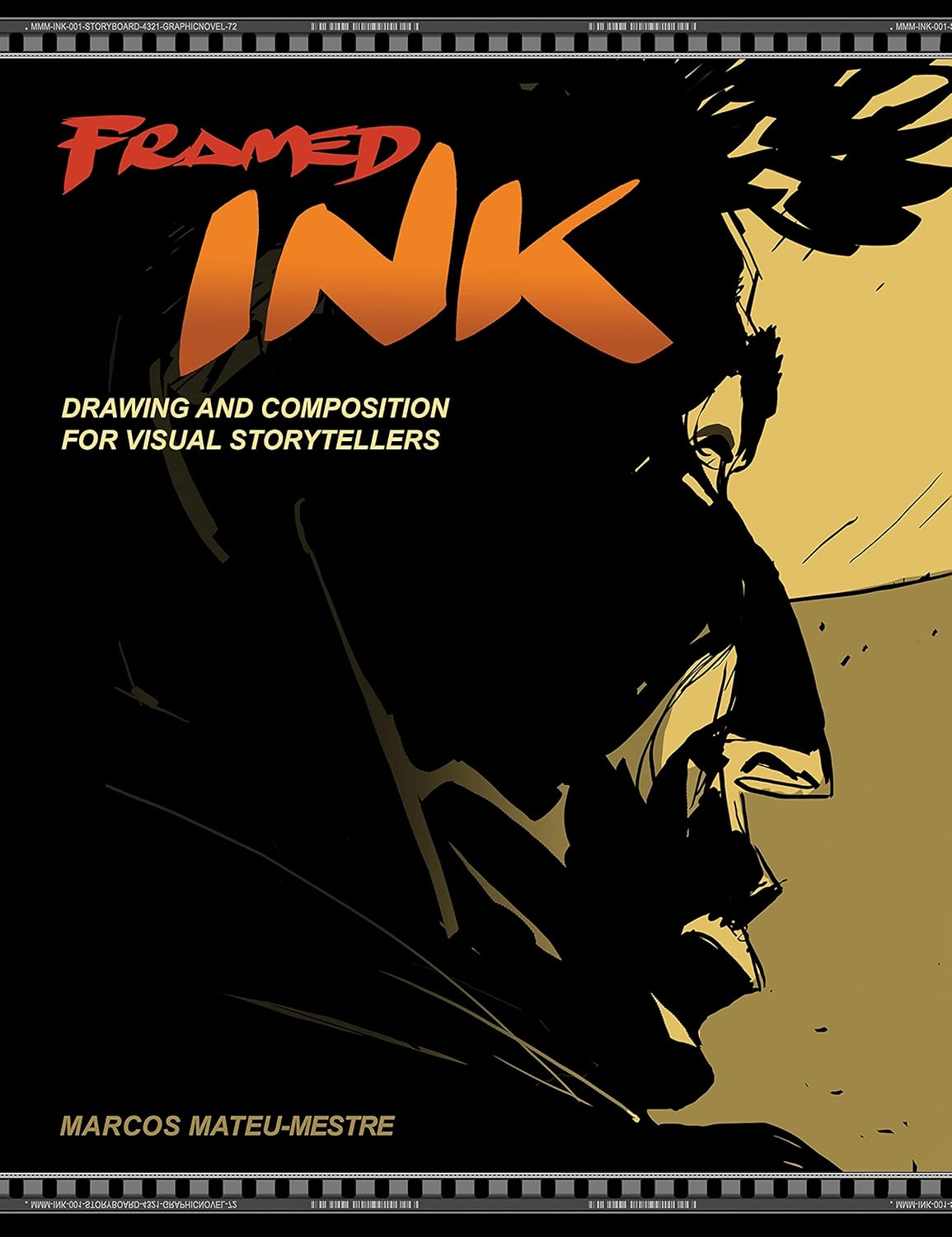
Probably Marcos Mateu-Mestre’s most famous book, Framed Ink is a great explanation of the basic principles of composition in the context of visual storytelling, e.g. comics or manga. This is my favorite composition book, period. Highly recommended.
Artists’ Master Series: Composition and Narrative, 3dtotal Publishing
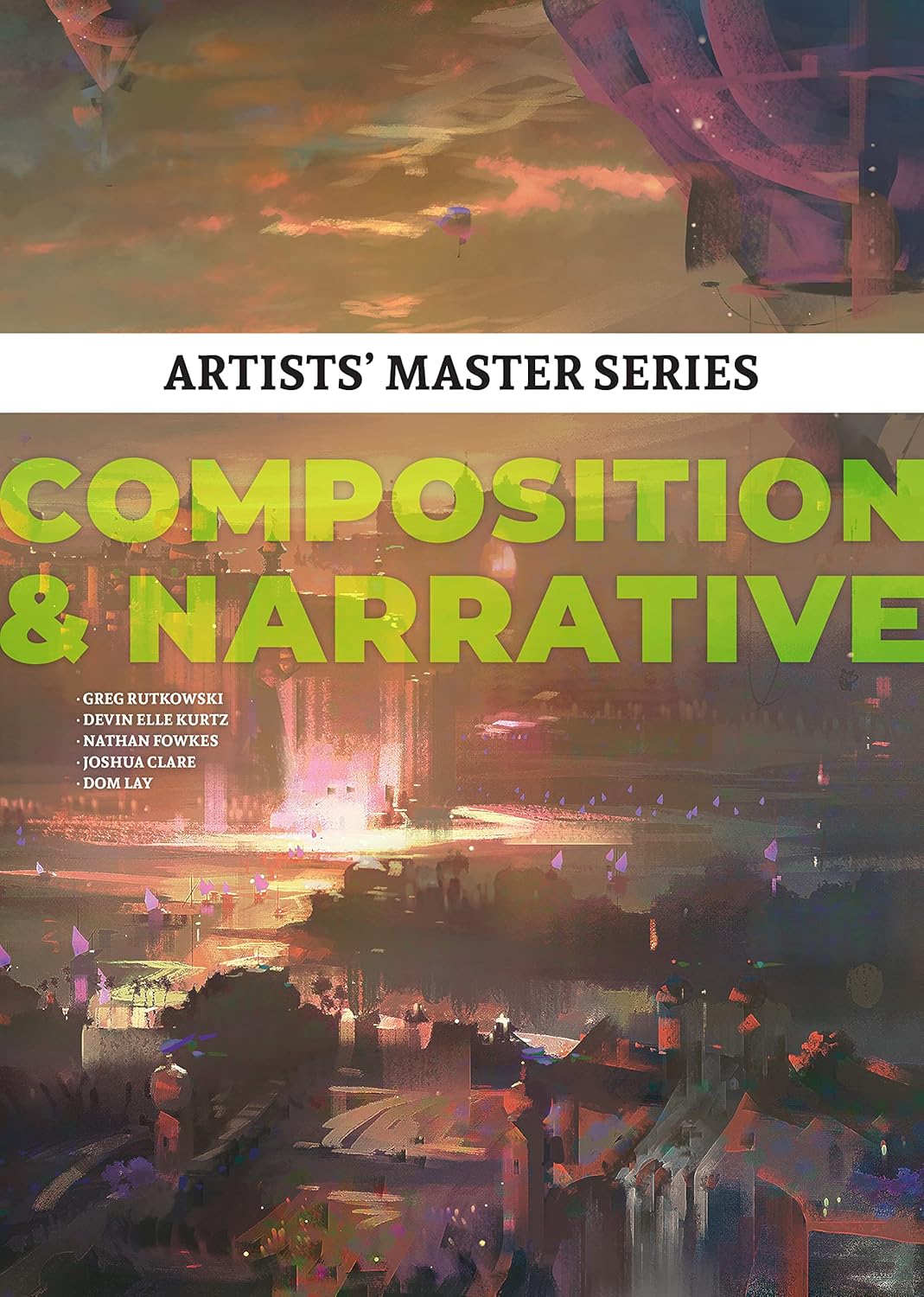
Another book by 3dtotal Publishing. Once more, I haven’t read this once but considering Nathan Fowkes (see below) is on the team, it has to be absolutely fantastic. From what I have seen, it looks great with a good emphasis on very classic paintings. It might be a good idea to couple it with Framed Ink above to see different perspectives.
Framed Ink 2, Marcos Mateu-Mestre
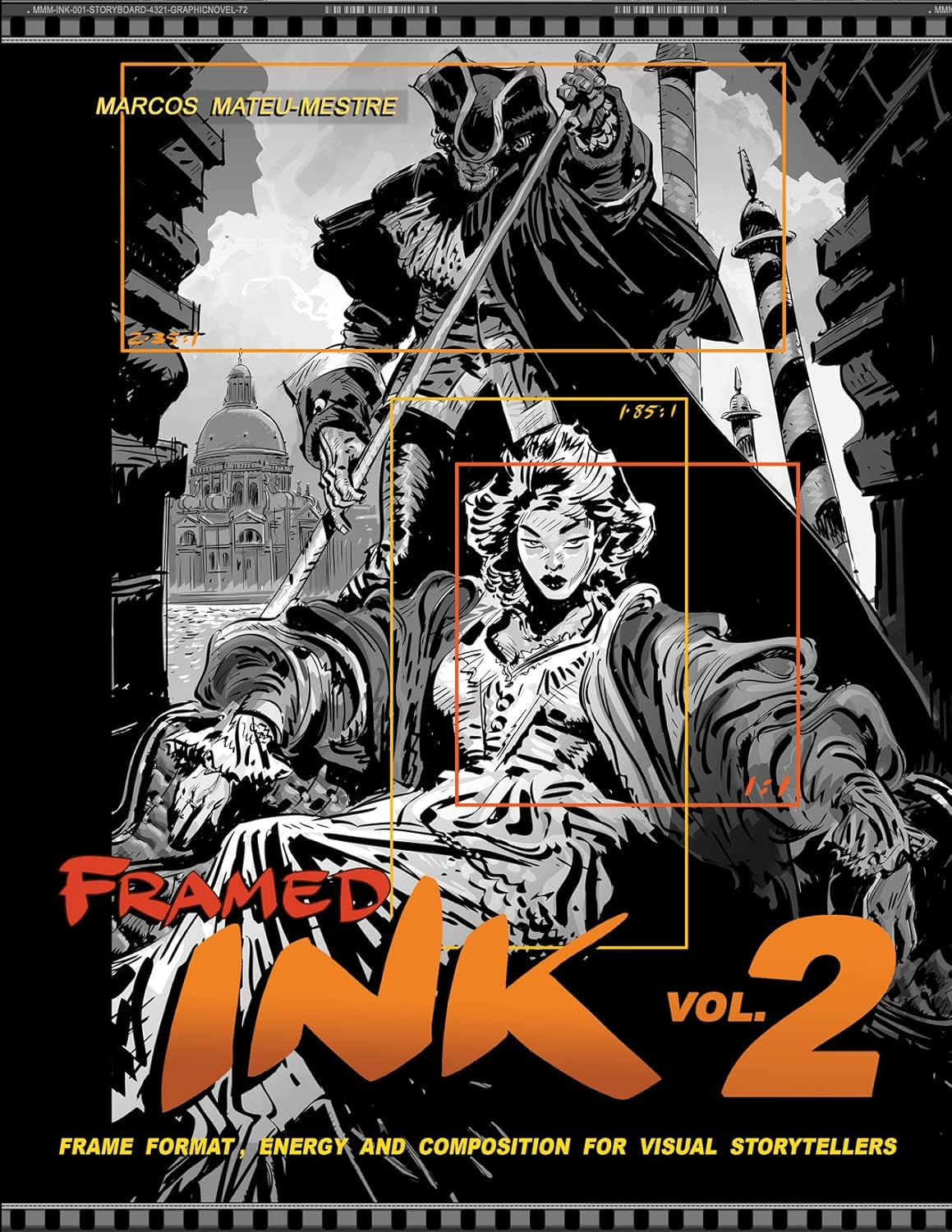
The follow-up to Framed Ink. If you liked the previous entry, you should love this as well. However, this one hits more specific topics so it’s probably not as applicable generally. Take a look at what’s included and see if you care. If you don’t, that’s alright.
Mastering Composition, Ian Roberts
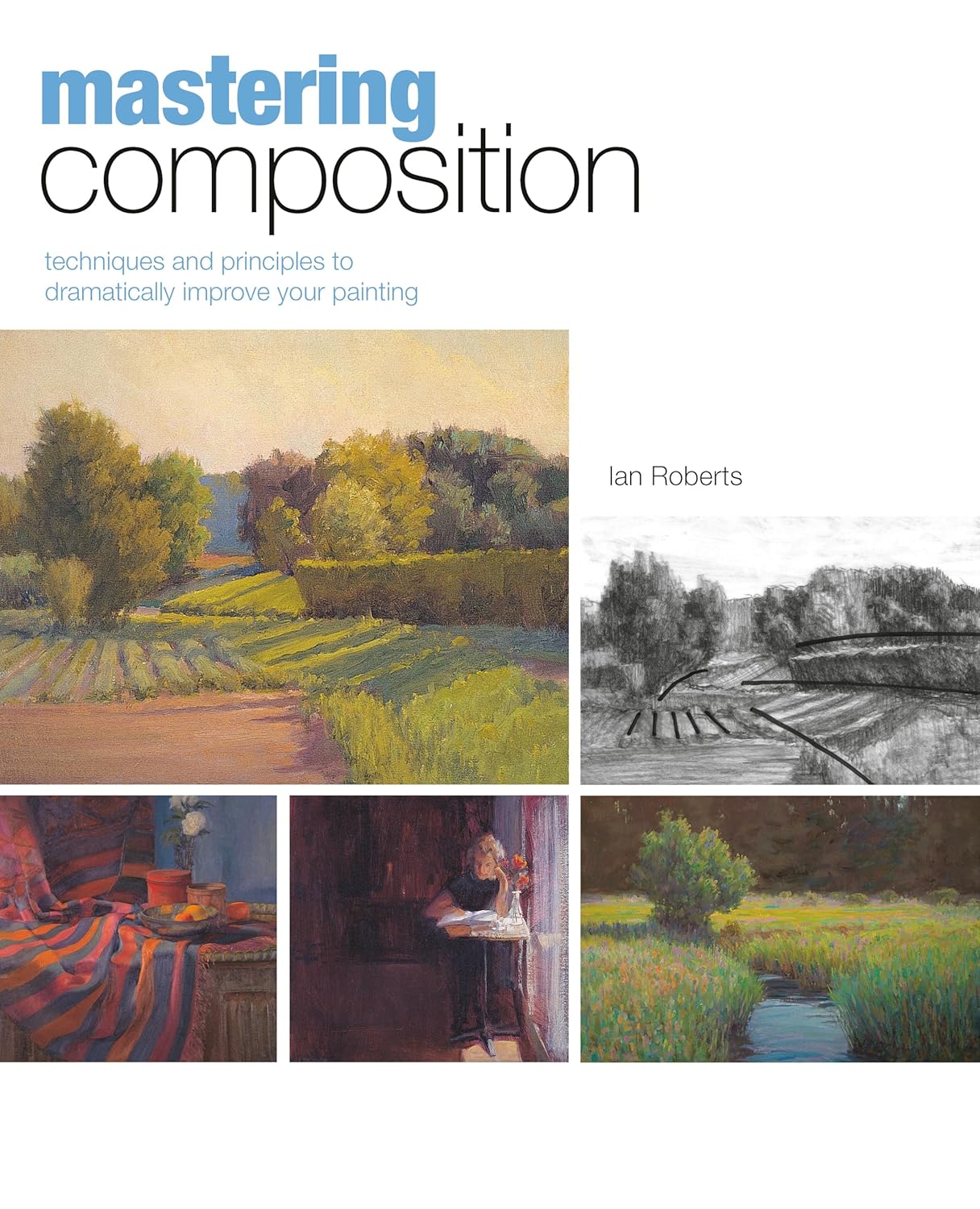
A pretty well-known composition masterbook for painters. Full disclosure I haven’t used it much but friends of mine have warmly recommended it, so I’m putting it there. Feel free to disregard it.
Courses
Pictorial Composition, Nathan Fowkes
This is a masterclass by Nathan Fowkes, a fantastic artist in his own right, now often associated with 3dtotal Publishing. Because it’s a course, a lot of it is done live on Photoshop which is really nice. It’s a serious course, perhaps I would do Framed Ink first.
Elements of Traditional Composition, Glenn Vilppu
Any class taught by Vilppu is worth taking. In this one, he analyzes the Old Masters and how they used composition to produce specific effects to then show you how to apply it in your own drawings. Cool stuff.
The Human Form
This part focuses on drawing the human body from head to toe. Because we are so used to look at human beings, especially their faces, we spot uncanny artifacts extremely quickly. This means that to get a satisfactory look, you will need to practice a lot more than you might expect, in part because the human body is not such a simple shape, though it can be simplified in a variety of interlinked simple shapes. Also, just because it says “Part II” does not mean you have to do the entirety of “Part I” before you start, in fact, I would encourage you to start figure drawing right after construction, but more on this in Part IV.
Figure Drawing
Figure drawing is a huge field in its own right, so it’s a bit silly to categorize it as one single thing but here I specifically mean books and courses that allow you to get a grip on the proportions of the human body and how to simplify it in a way that retains its most essential elements. This is not about anatomy where we study specific muscle insertions and so on. Here, gesture is king.
Books
Figure Drawing for Artists, Steve Huston
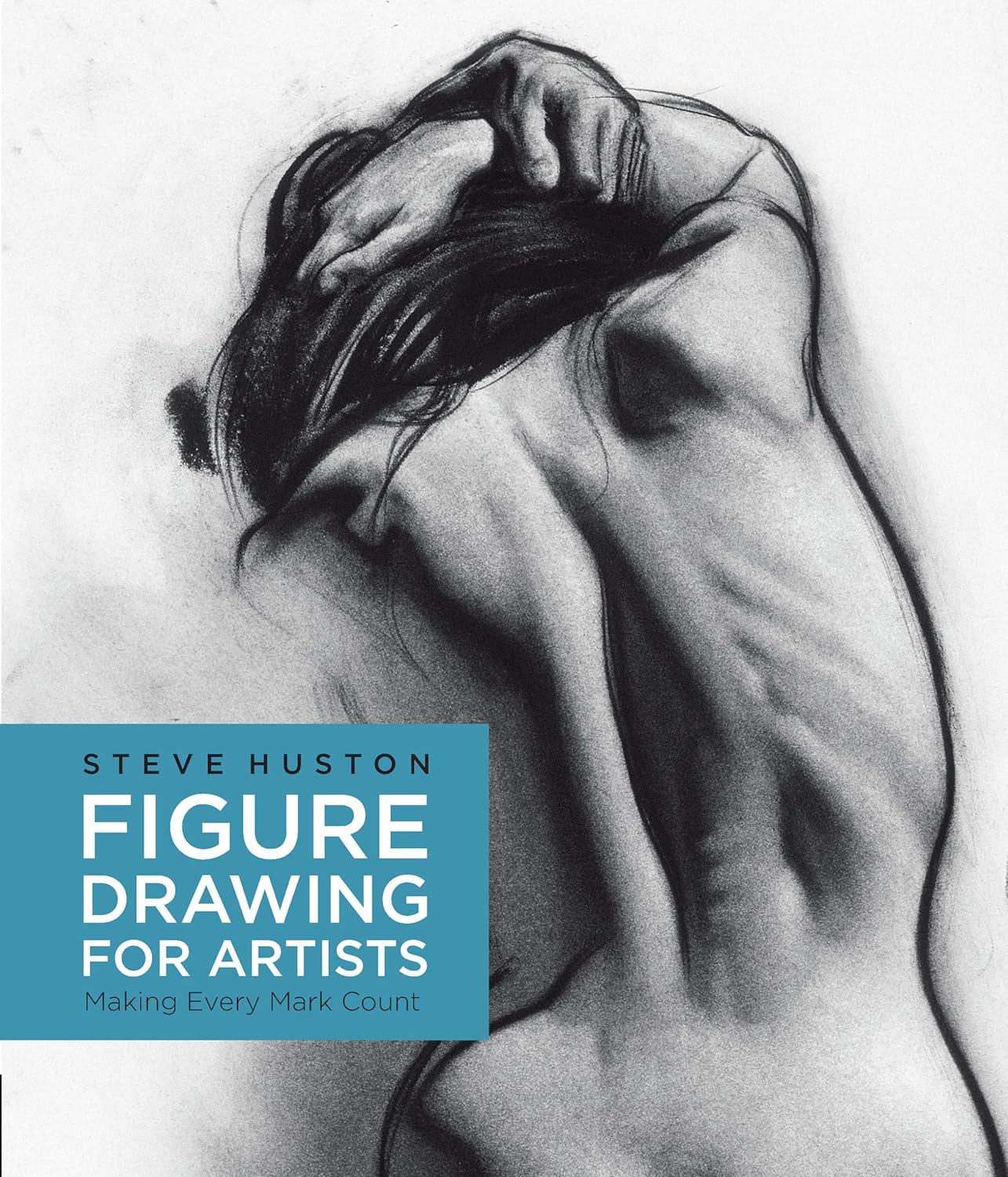
Steve Huston’s Figure Drawing for Artists is my favorite art book. In there, Steve analyzes his own works (which by the way, breathtaking) as well as old masters (notably Boucher) to understand the two main tools that support figure drawing: structure and gesture. His explanations are crystal clear and his drawings are drop-dead gorgeous, full of life and interesting to analyze. The second part is more about anatomy, and there is a chapter on light and its absence. I think everyone should read the first few chapters at least.
Figure Drawing: Design and Invention, Michael Hampton
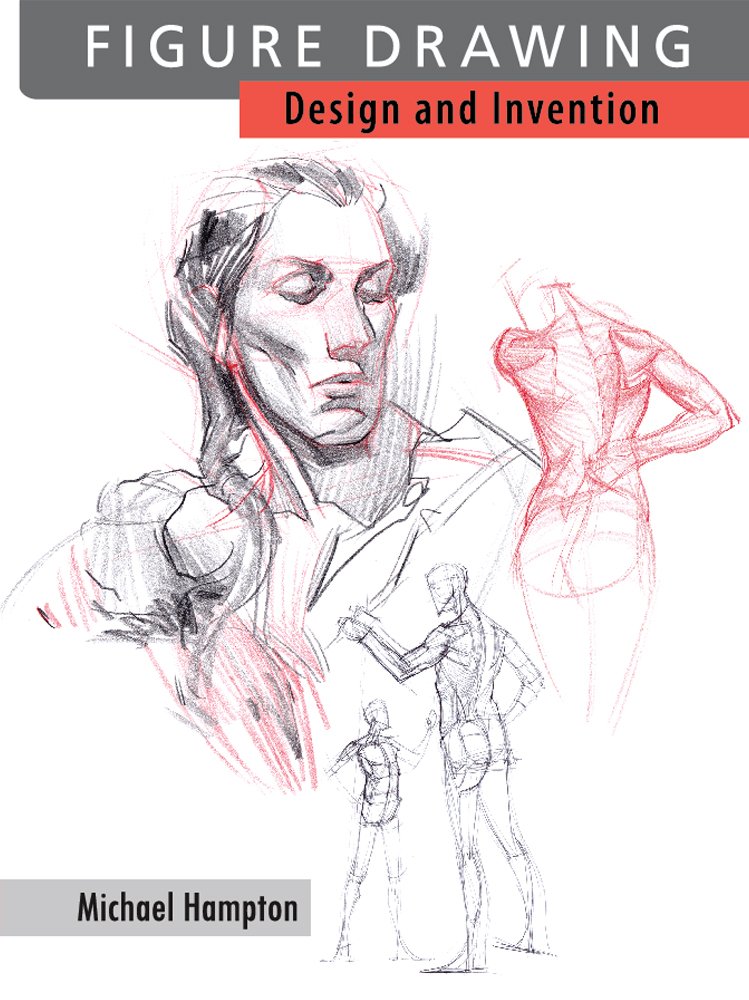
What a fantastic book. Hampton simplifies the human body in just the right way in my opinion. To properly learn from it, you should copy the drawings in there (as you often should) but unlike some other books, the text is actually worth reading as well. Hampton’s explanation of asymmetry in the human body (as in classical contrapposto, for instance) really stuck with me. The second part of the book has more to do with anatomy, but the first part is exceptional.
Figure Drawing for All It’s Worth, Andrew Loomis
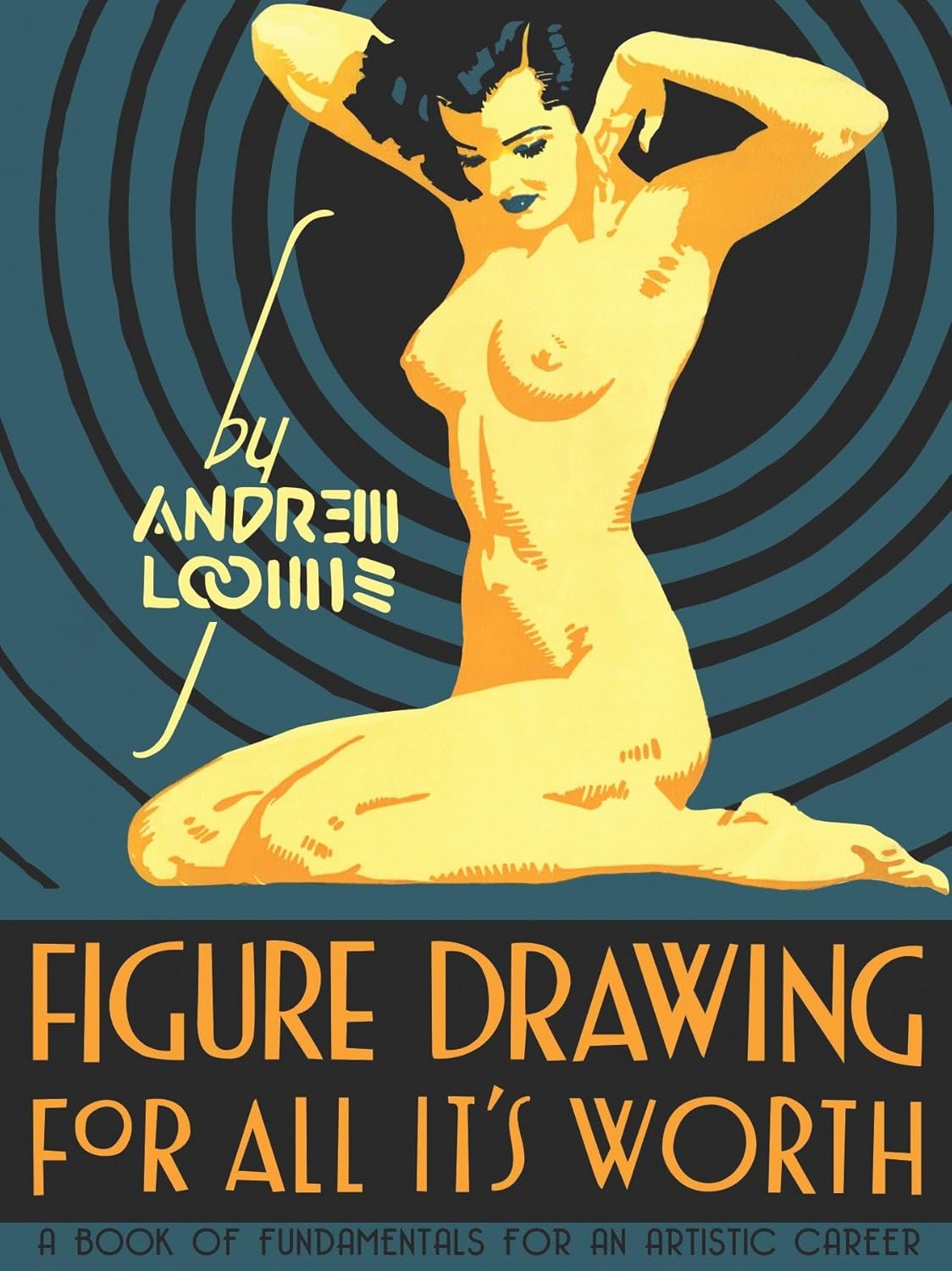
Probably the most famous of all Loomis books, this one is a clear step up from Fun with a Pencil. It tackles the human body in all its glory. Similarly to Fun with a Pencil, the style is a bit dated and many people do not really like the explanations. Personally, I would probably just skim through the explanations and spend most of my time copying it instead, but some other people might benefit from the explanations.
アタリ練習帳, 西東社
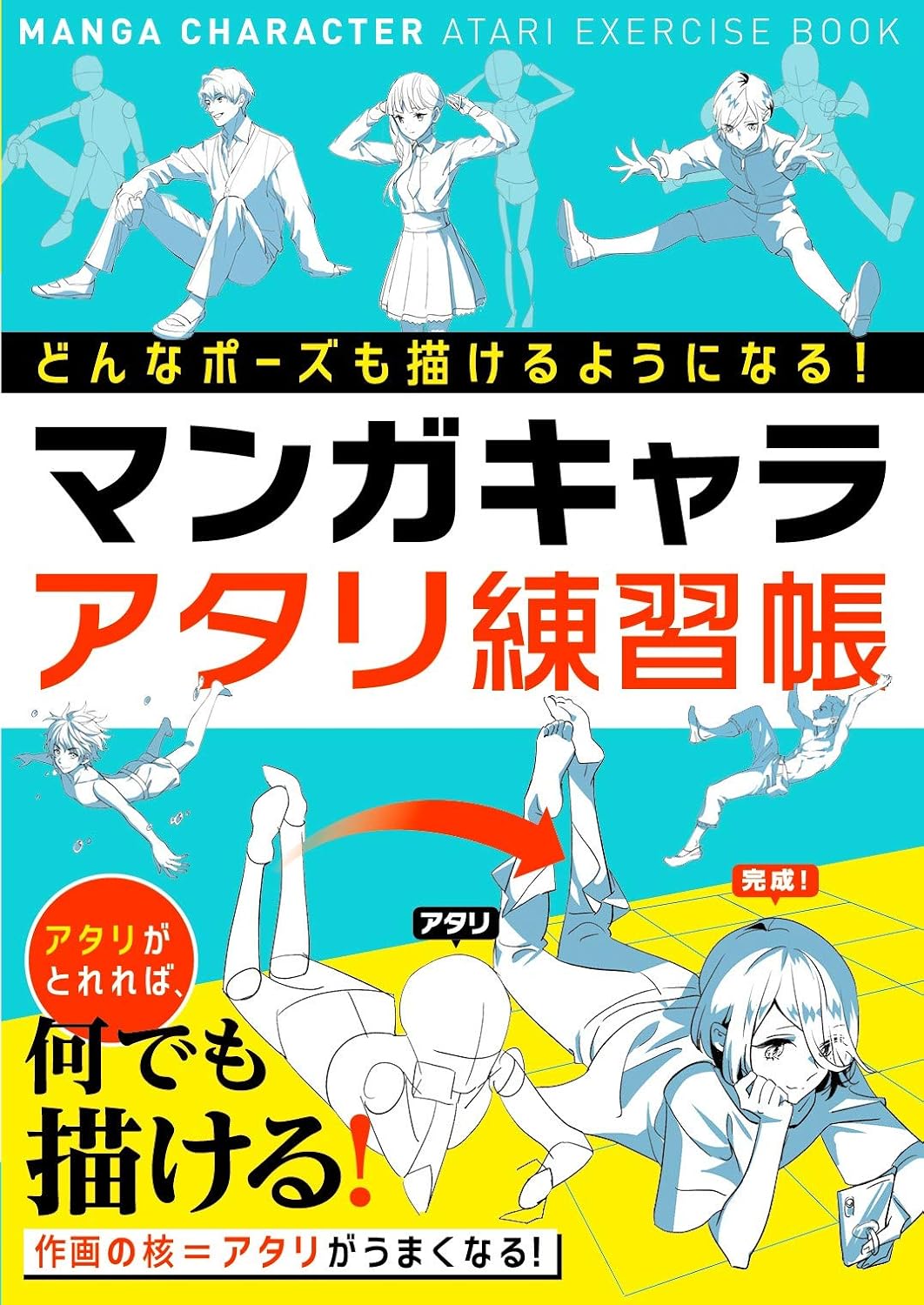
Tremendous book focusing on アタリ, the rough drawing of the pose before you start putting the muscles and so on. Includes a wide variety of poses that are broken down in four distinct steps, from アタリ to finished drawings. Highly recommended.
美しい身体の作画ドリル, フジタク
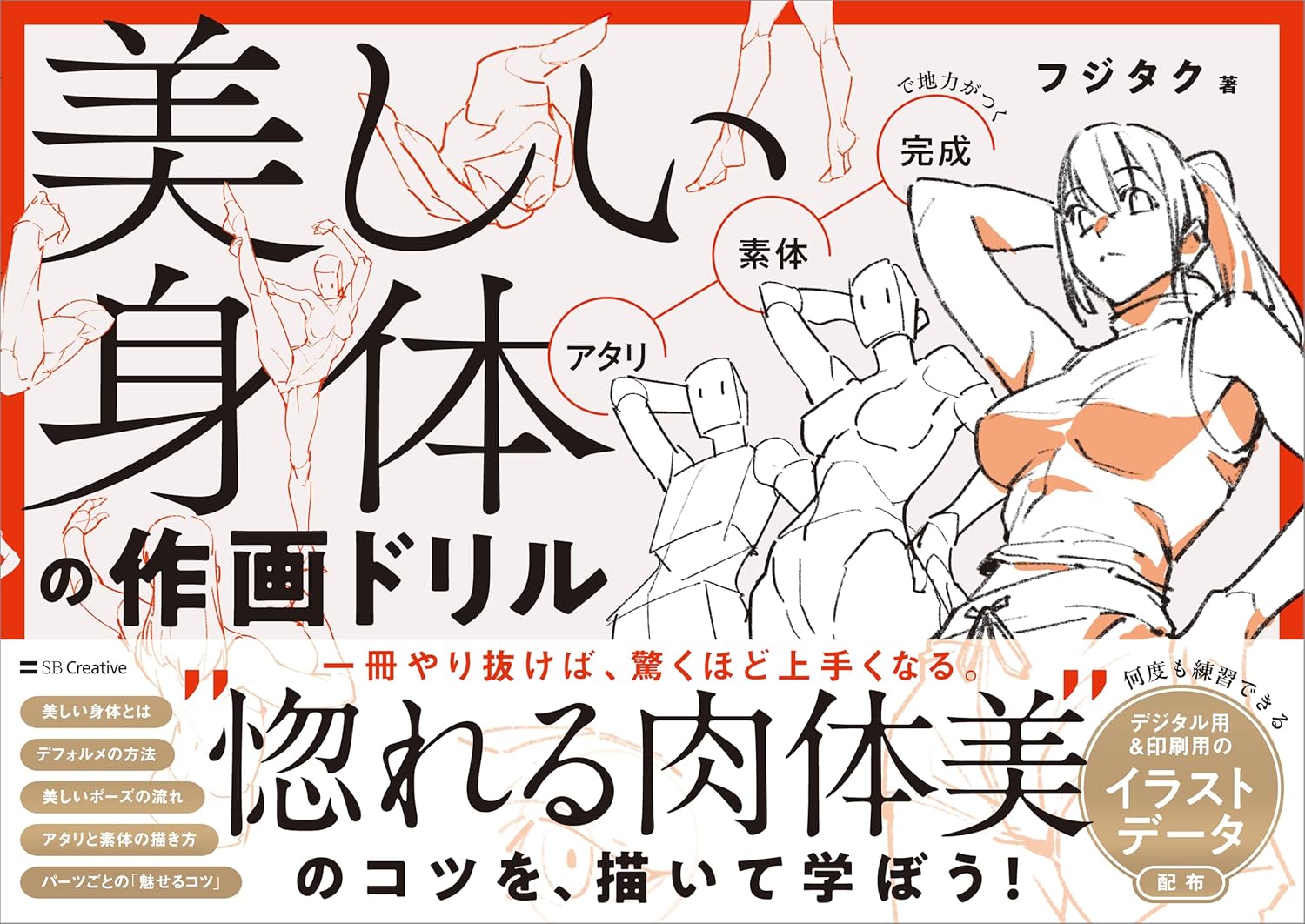
This one also focuses on the development from the アタリ to the full figure in a few steps. Cool poses in there and there are actual explanations that relate to the way the muscles are attached to the body itself. Good stuff.
マンガキャラの描き方超入門, KawaiiSensei
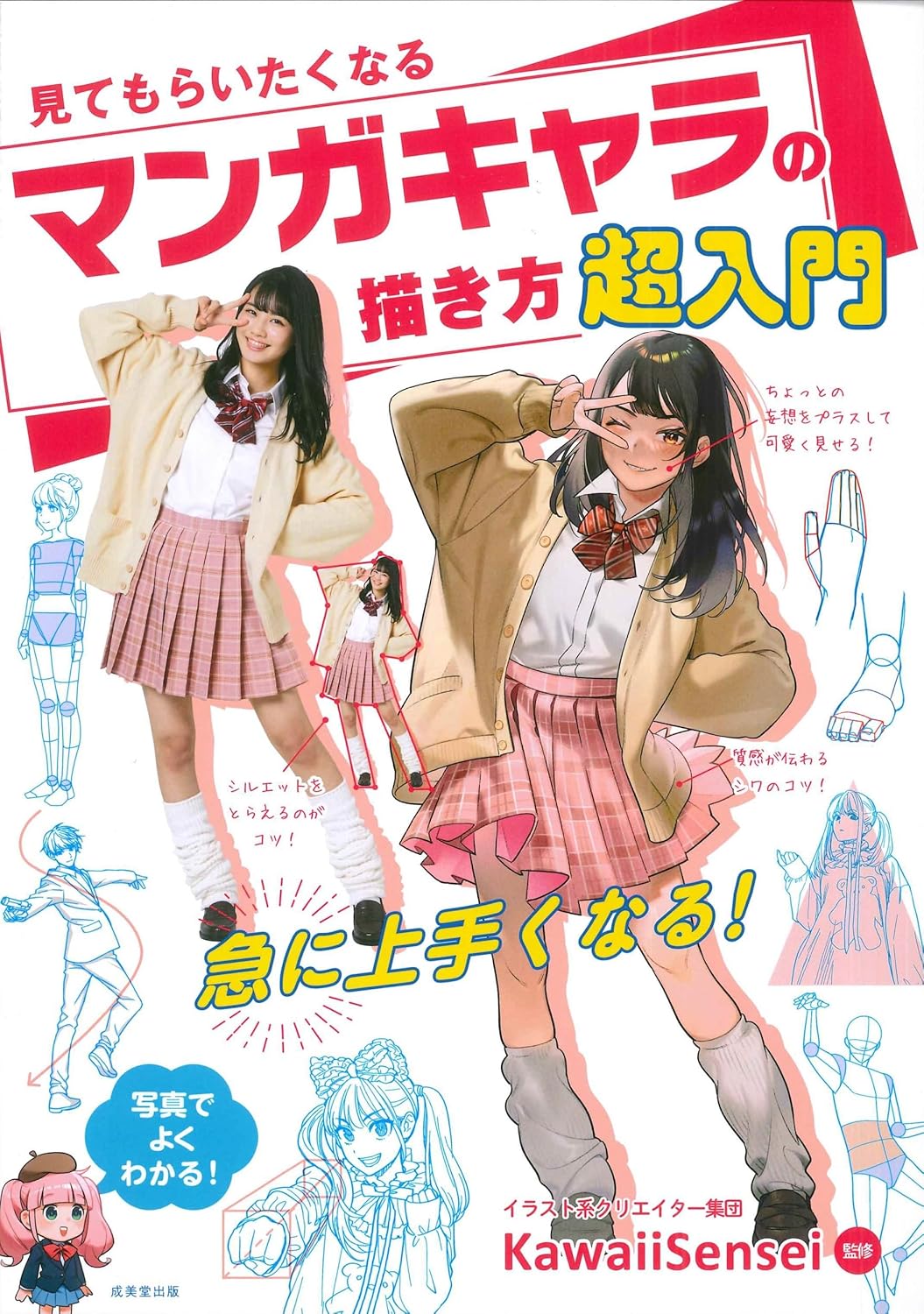
A pretty gentle introduction to drawing characters in a manga style, mostly by translating real life pictures into anime-style characters. Again, this could be placed elsewhere since it also discusses the head, but considering the amount of time spent on the human figure and the various poses, I think it fits right here. I like this book.
Vilppu Drawing Manual, Glenn Vilppu
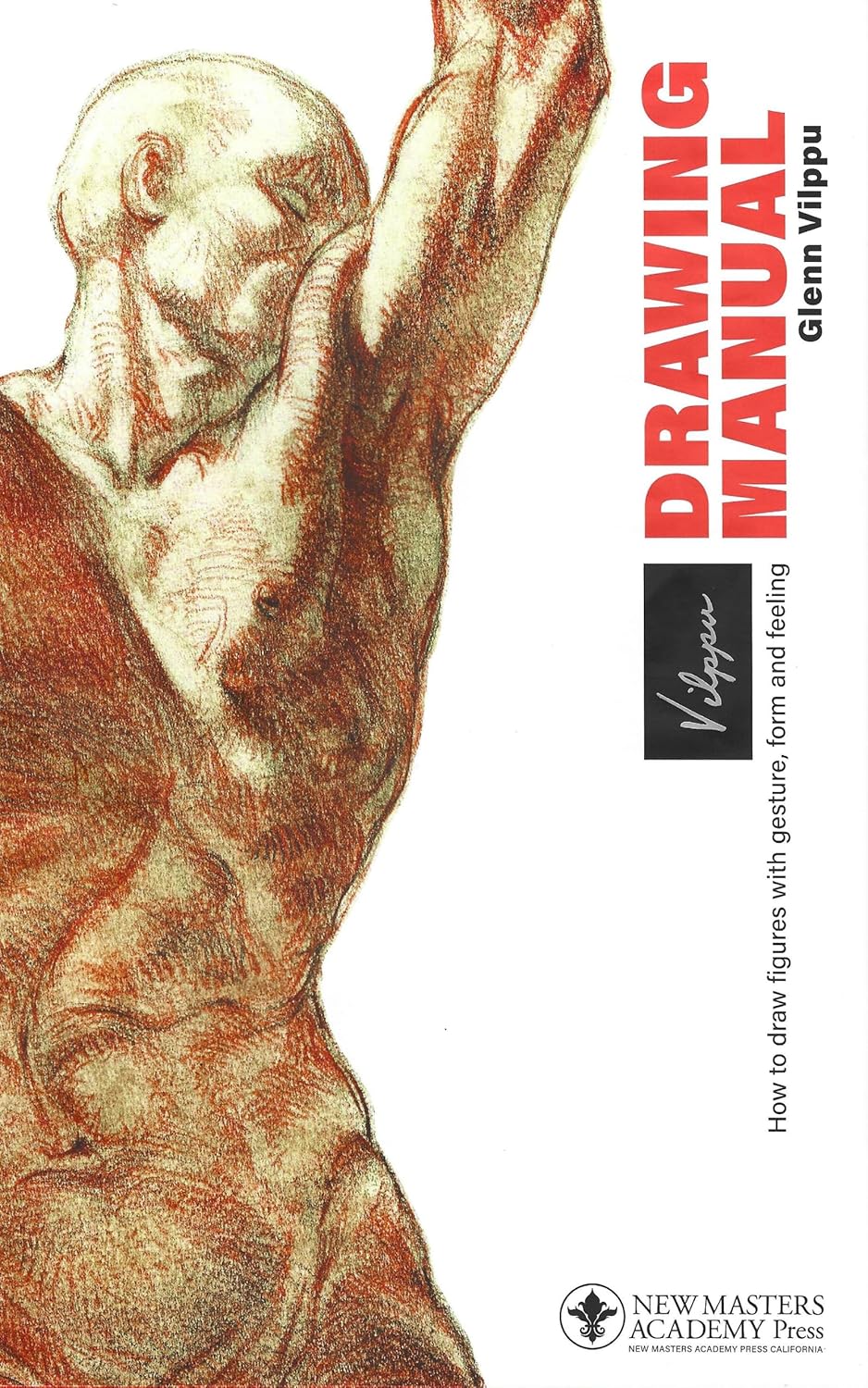
A classic treatise on figure drawing by one of the world’s foremost animator who worked for years teaching at Disney. I’ll be honest, I have only skimmed this book briefly but it consistently gets such high praises (and Vilppu as an instructor as well) that I thought it would be a disservice not to mention it. This is a “digitally enhanced” edition, whatever that might mean, but I saw pages from the original.
Force: Dynamic Life Drawing for Animators, Mike Mattesi
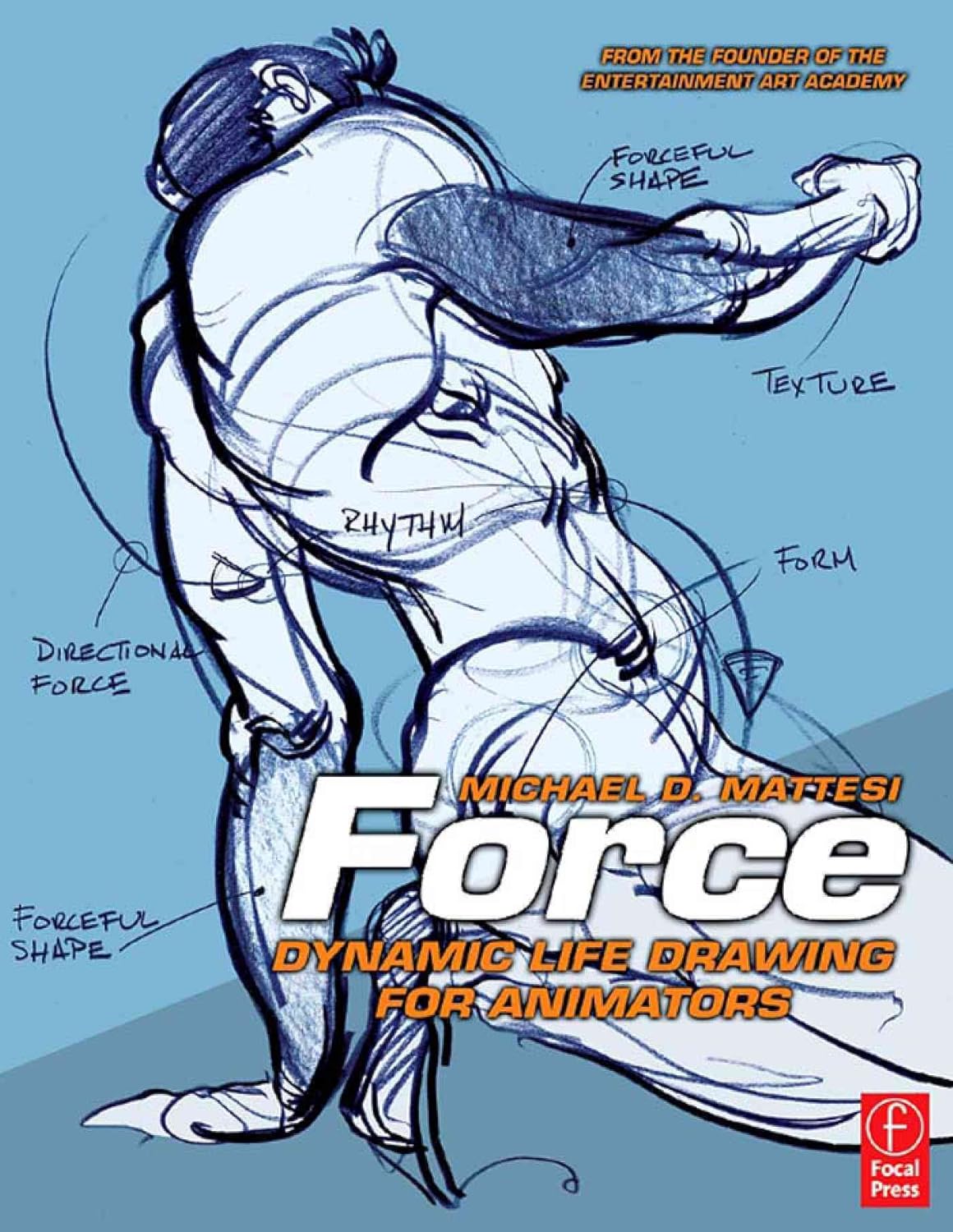
A very famous figure drawing book, part of Mike Mattesi’s FORCE series that focuses on a dynamic approach to drawing. This one is perhaps the well known of the bunch and for good reason. Particularly useful if you want to become an animator.
Drawing the Female Figure, Hikaru Hayashi
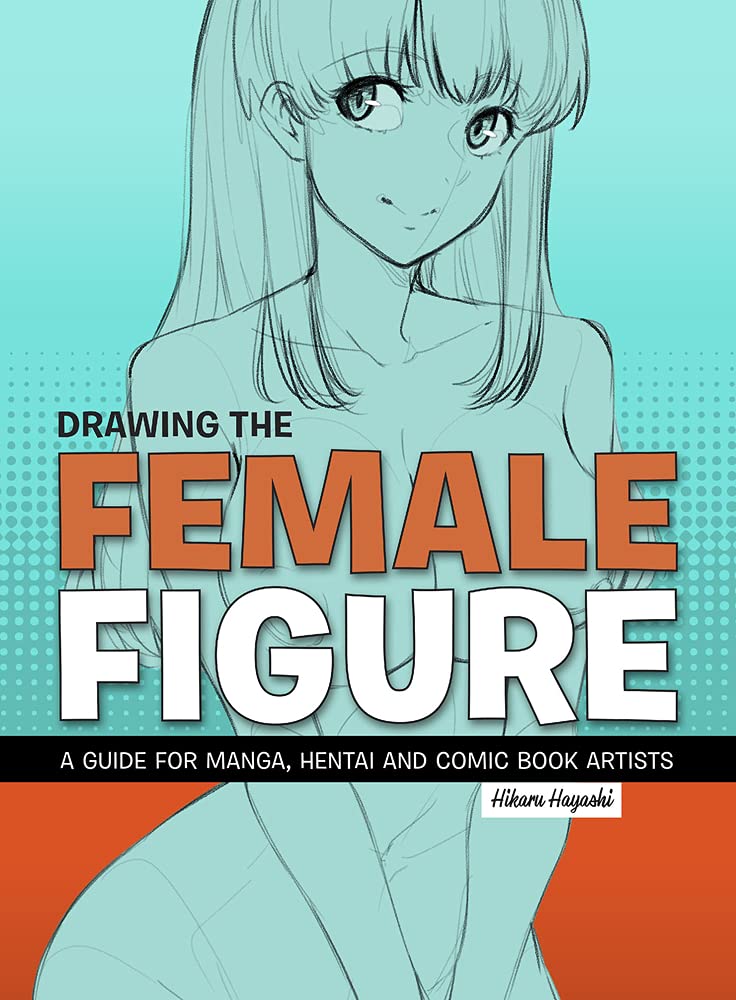
Hikaru Hayashi is pretty well-known in the world of English books teaching you how to draw in a manga or anime kind of style. This is the only book I have seen from him but it is absolutely fantastic and it does not shy away from risqué angles and such (as is obvious from the extended title). Most of it is pretty good though I have seen one or two drawings that I thought were off here and there, so don’t just copy mindlessly, try to understand why he does the simplifications you see. Good introduction to drawing cute anime girls, basically.
人物作画テクニック, toshi
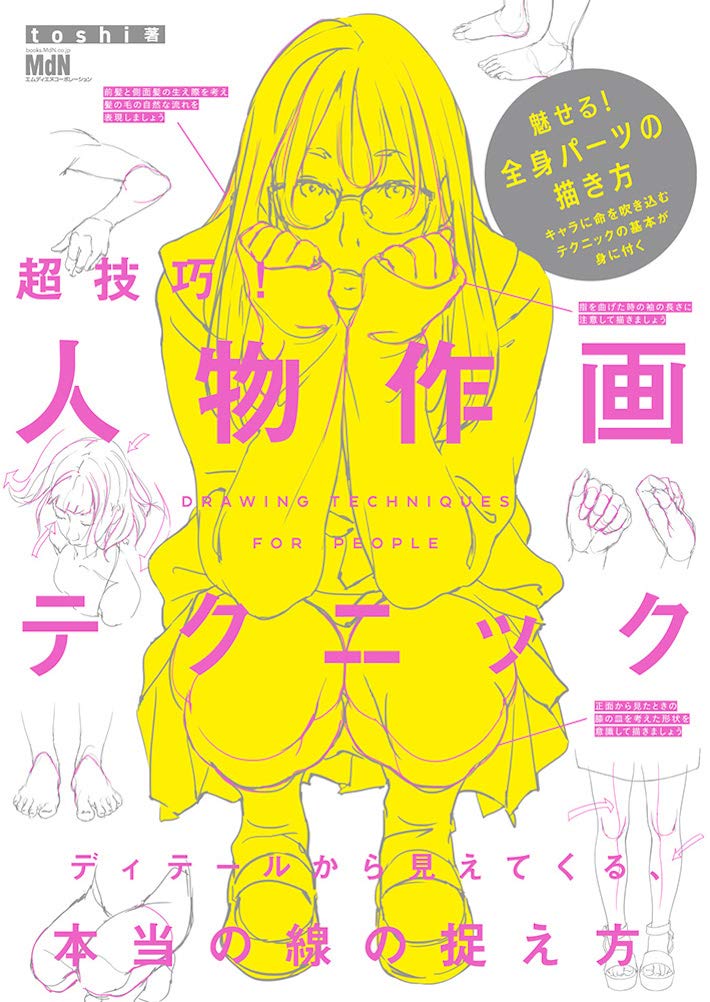
A variety of techniques to draw the human body from one of my favorite art teachers, toshi. This is a mixed bag of tips about perspective (see below), specific body parts and more general things so it does not fit neatly in one category. Since it’s all about drawing the human body, I decided to put it in this category.
スーパーマンがデッサン, 林 晃
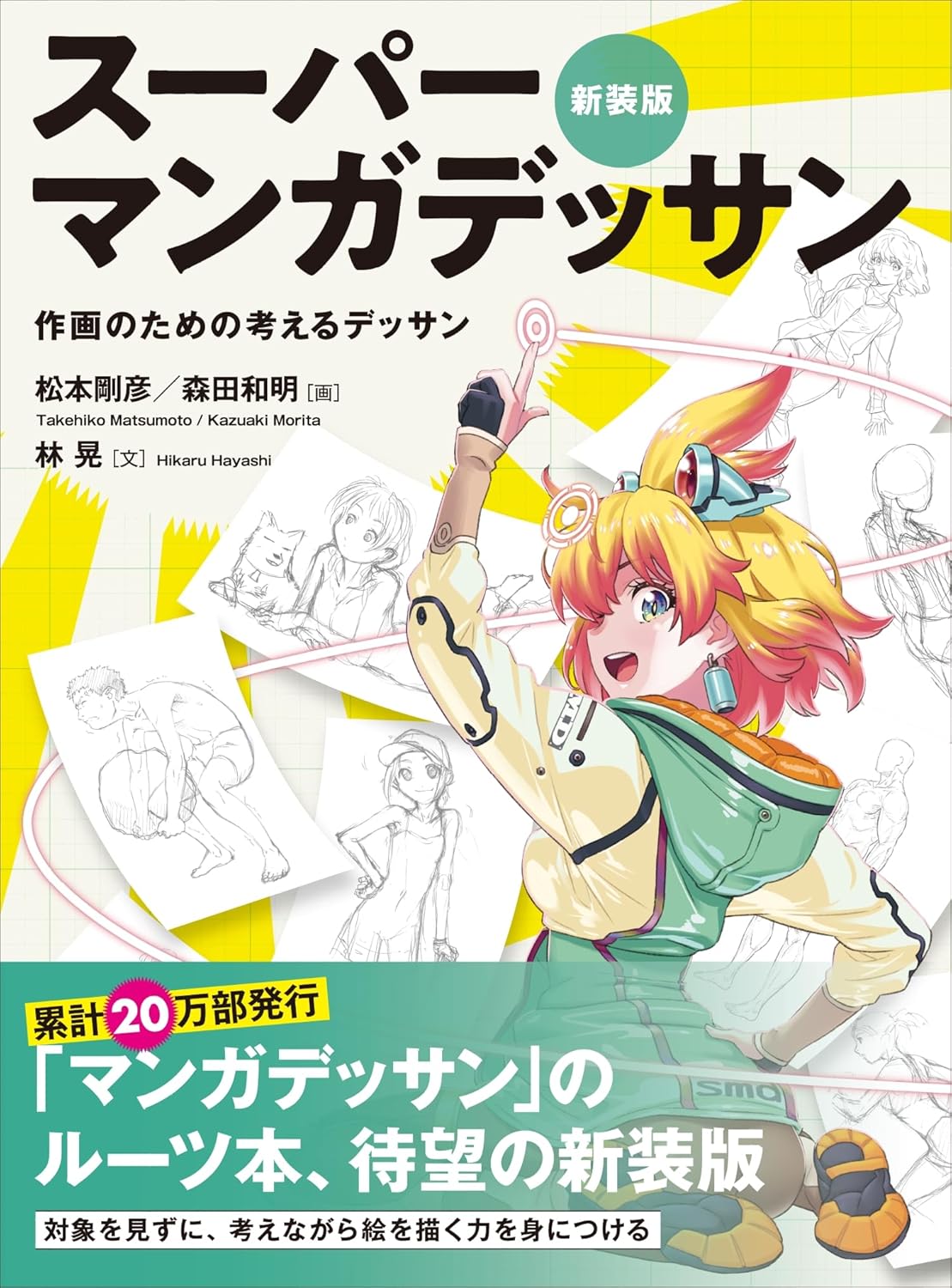
Another book by Hikaru Hayashi. This one is more general than his book on the female figure, although the drawings are very similar. I find it more useful as a collection of drawings to copy than as a book to learn from personally.
キャラに生命を吹き込むイラスト上達テクニック, toshi
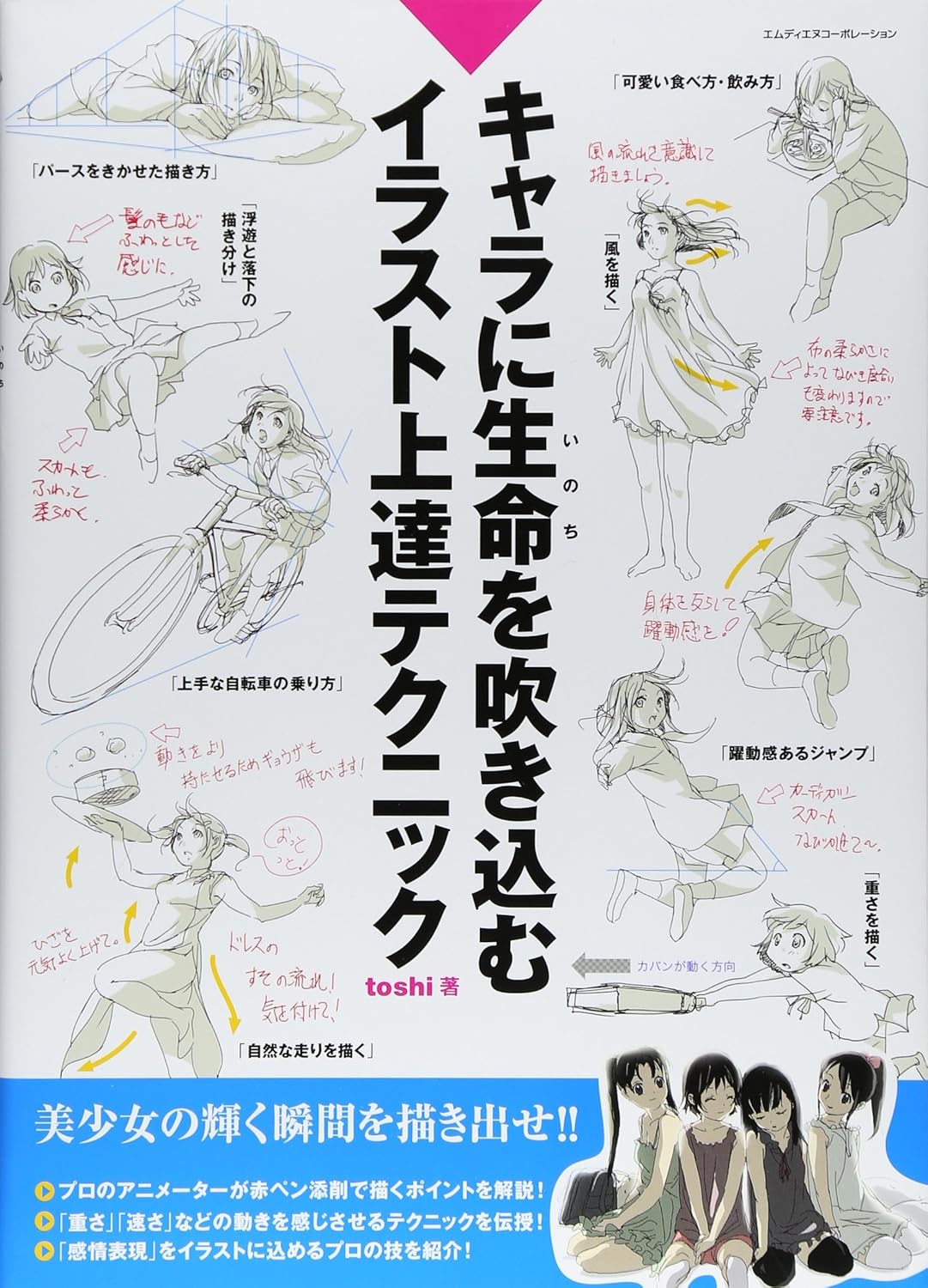
The book series that put toshi on the map. As is usual with toshi, this covers a wide variety of things, all having to do with instilling life into your drawings. I think it’s a fantastic book (like all toshi books are) and I highly suggest you take a look at it. If you like it, here are part two and part three.
アニメーターが教えるキャラ描画の基本法則, toshi
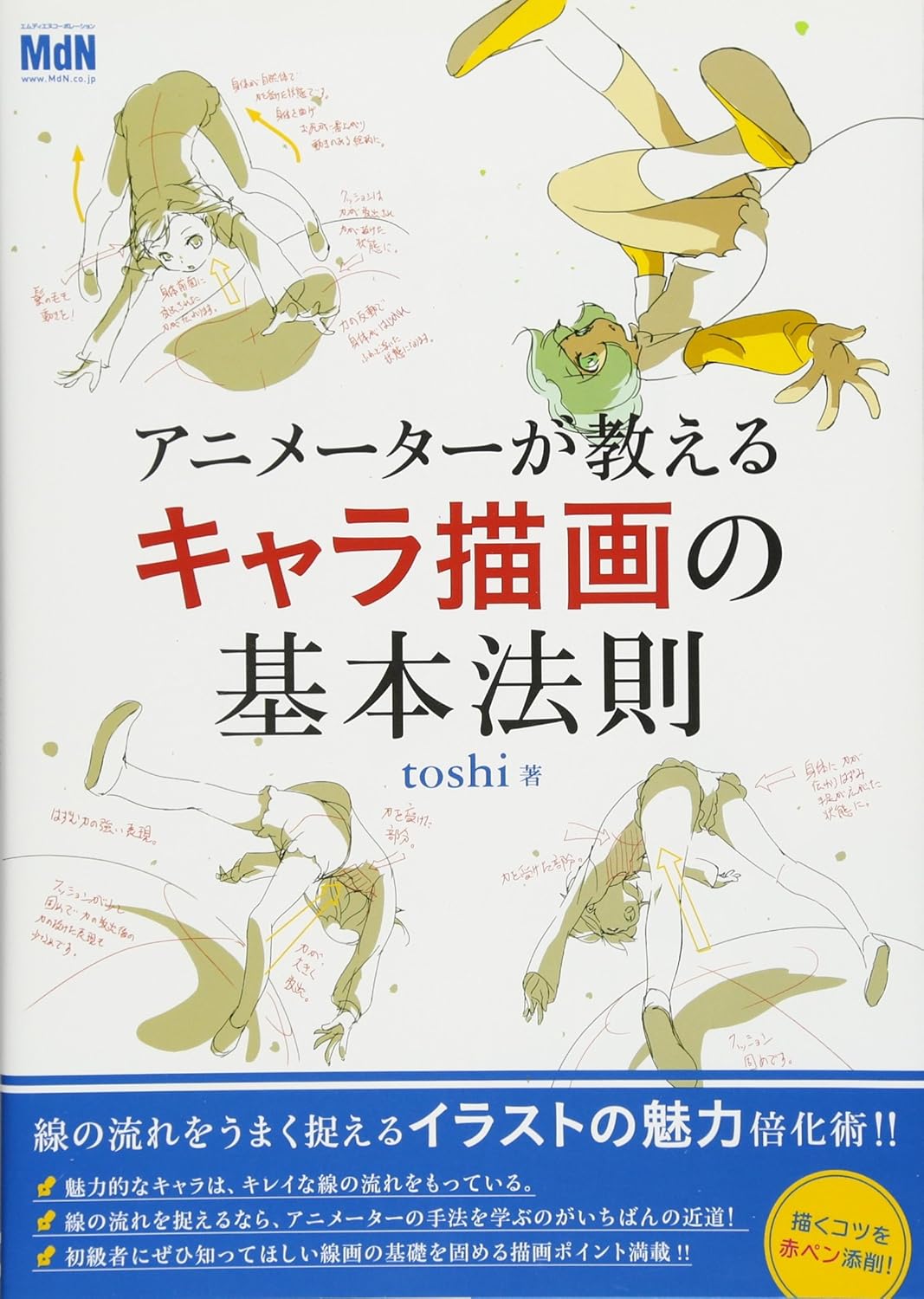
As you might have noticed, we are going to meet a lot of toshi books in this section and in the guide more generally, in part due to personal bias but also because animators are really good at capturing movement and gesture, something crucial to getting illustrations that are full of life. As the title implies, this books deals with the fundamental rules of character drawing from an animator’s point of view.
お絵描きチュートリアル, Rino Park
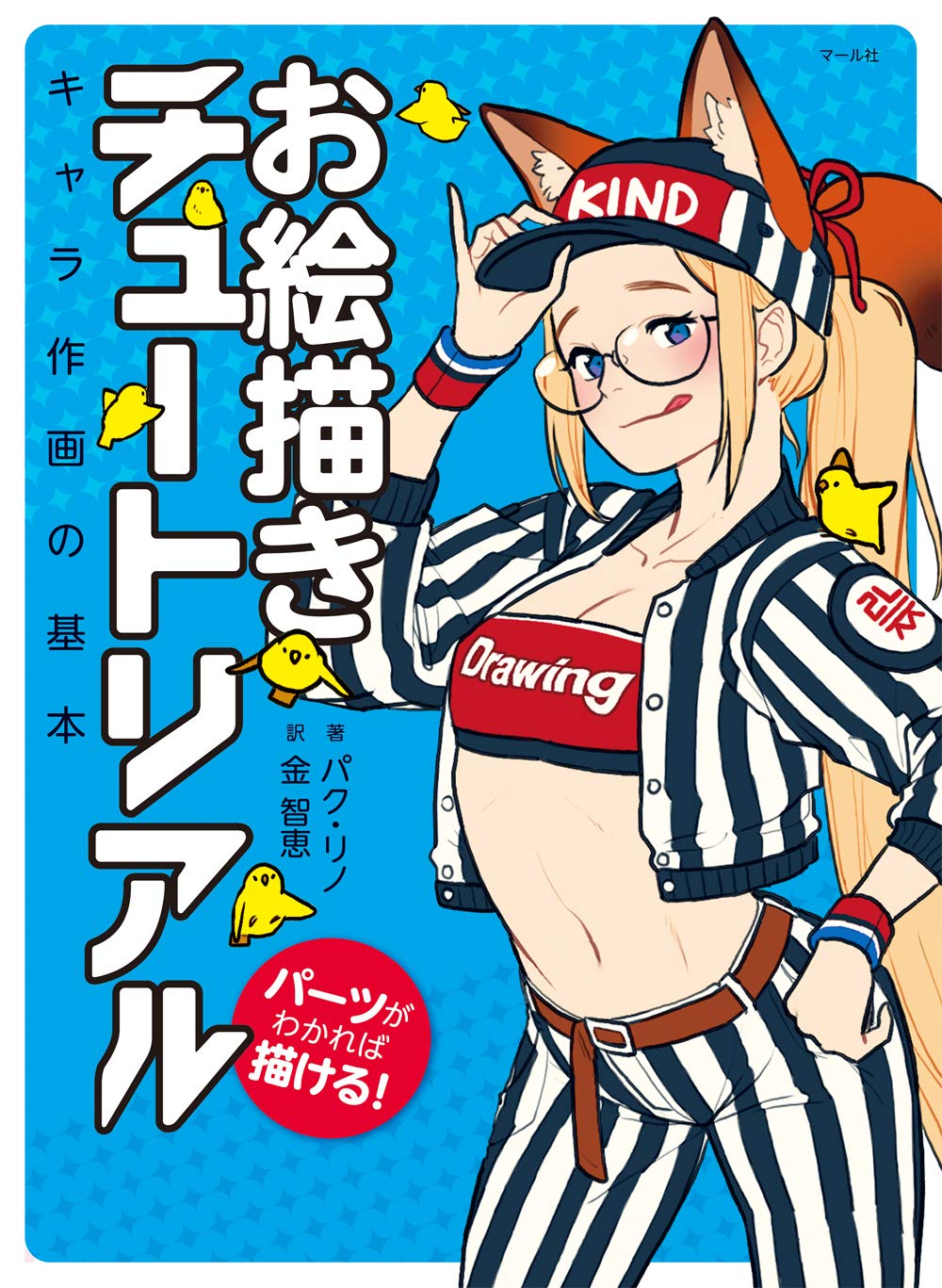
Another book in Rino Park’s excellent series of tutorials on drawing. This is an introduction to お絵描き more generally but it focuses on the human body. I have this book and the one on color and light (the one we’ve mentioned before) but I haven’t used it much. Still, it’s famous for a reason.
美少女キャラデッサンの流儀, 宝島社編集部

This book and the next asks three illustrators to draw a beautiful anime girl (美少女) and they explain their process as they’re doing it, similar to the rendering books from before. You learn tips and tricks along the way as well as some insight in the way they go about drawing cute girls.
女の子キャラの描き方, グラフィック社編集部

Same idea as above, this time focusing on 女の子 as opposed to 美少女, so more about girls being “cute”, I guess. Personally, I like the illustrations a little less but the content is still good.
神技作画, toshi
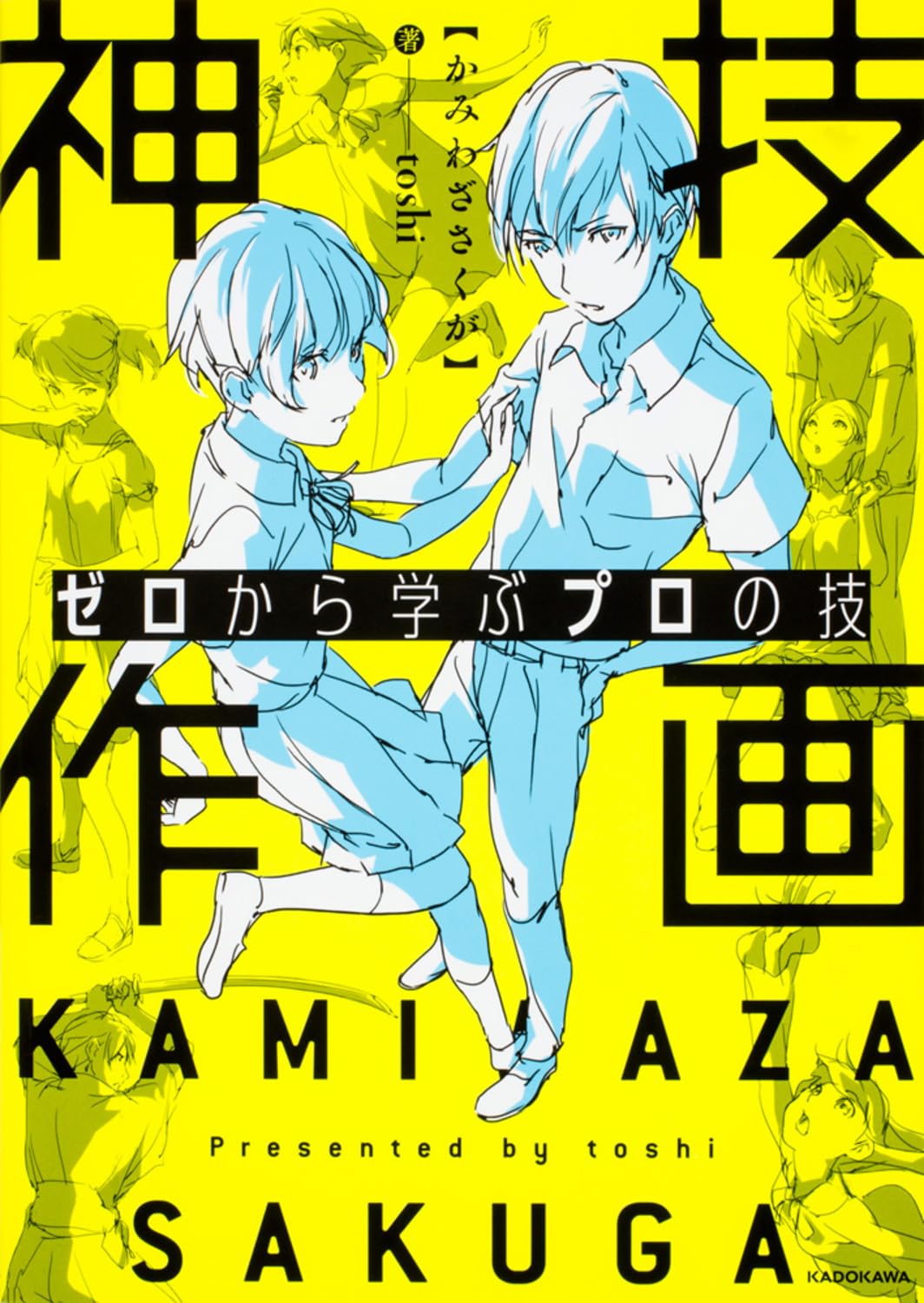
Yet another book by toshi (sorry!) which first tackles a variety of important questions and struggles in a Q&A. Once again, a book that touches on a variety of subjects that might also be classified elsewhere (for instance shadows and such). Worth getting after you have some experience with drawing アタリ and such. There’s another one in the series but I don’t know much about this one.
魅力的な「身体」の描き方, ジェネット
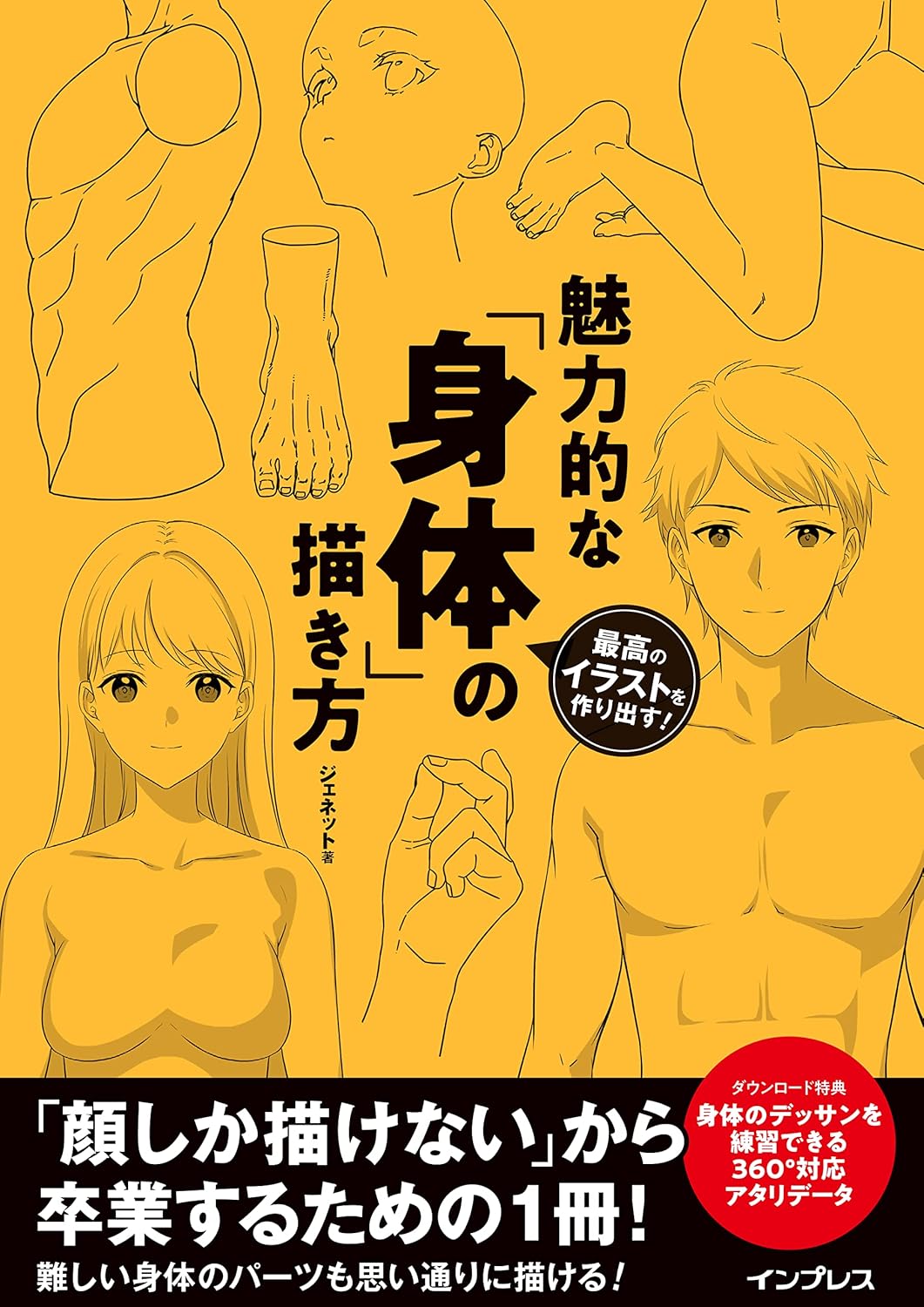
I wasn’t sure whether to put this here or in anatomy, but in the end I thought it would be better here. This is a pretty accessible introduction to drawing the body (with a lot of focus on different parts individually) in an anime style to make it look attractive. Personally, I like the drawing and it’s easy to get into, so it’s good in my book. If you like it, there’s also one focused on the head and face, but personally I do not think this is the author’s strong point.
キャラ作画のコツ160, TACO
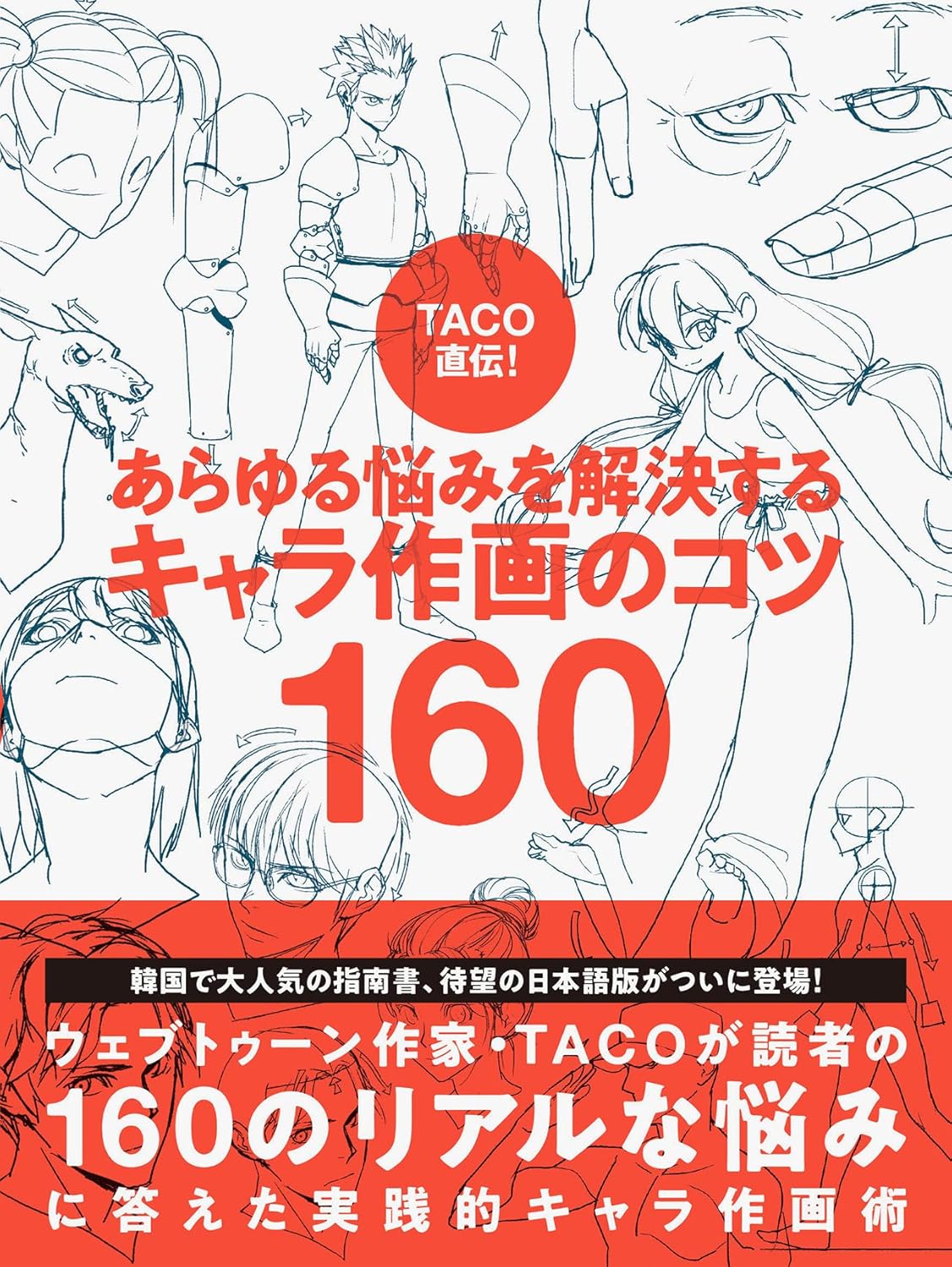
This book along with the next discuss コツ, various tips and tricks for drawing stuff. Most of it is related to the human body, but if I get enough books of this category, I will create a new category for it. This one is for character illustrations in general.
人体ドローイングのコツ390, TACO
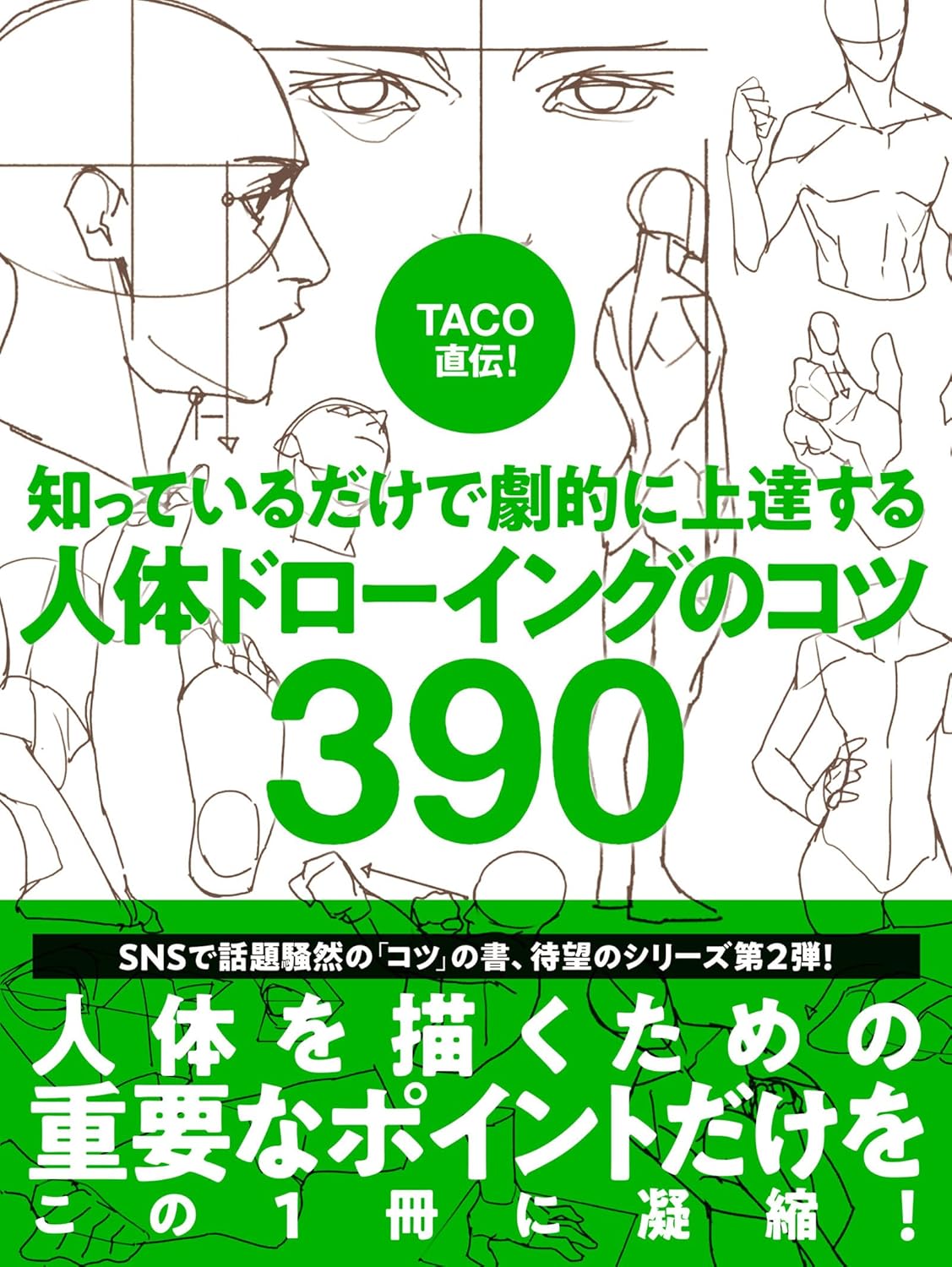
This is the second book and focuses specifically on 人体ドローイング as the title implies.
Courses
Proko’s Figure Drawing Course, Stan Prokopenko
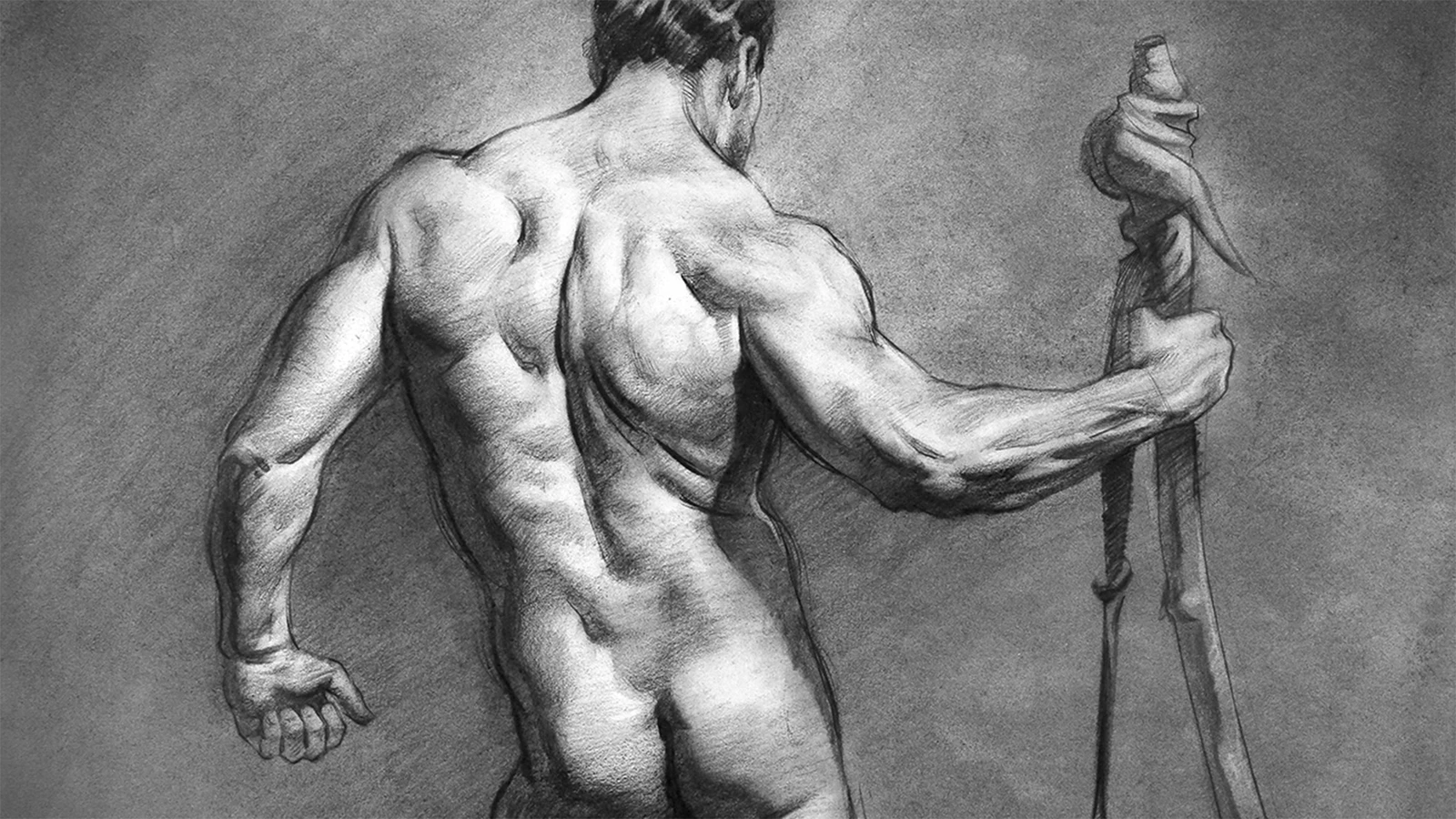
Stan Prokopenko is perhaps YouTube’s most well-known art instructor. His figure drawing course is well-constructed and pretty good, though not everyone can stand Proko’s antics. Personally, I don’t really mind, but I remember one of my friend getting pretty tired of it when she was going through the anatomy course. If you prefer watching rather than reading, this is really good.
Constructive Figure Drawing, Steve Huston
If you liked Steve Huston’s book (or you would rather watch him teach), this is the series for you. There is a follow-up course as well. As I mentioned before, he’s my favorite art instructor so I will be biased, but his binary approach to figure drawing is fantastic in my opinion.
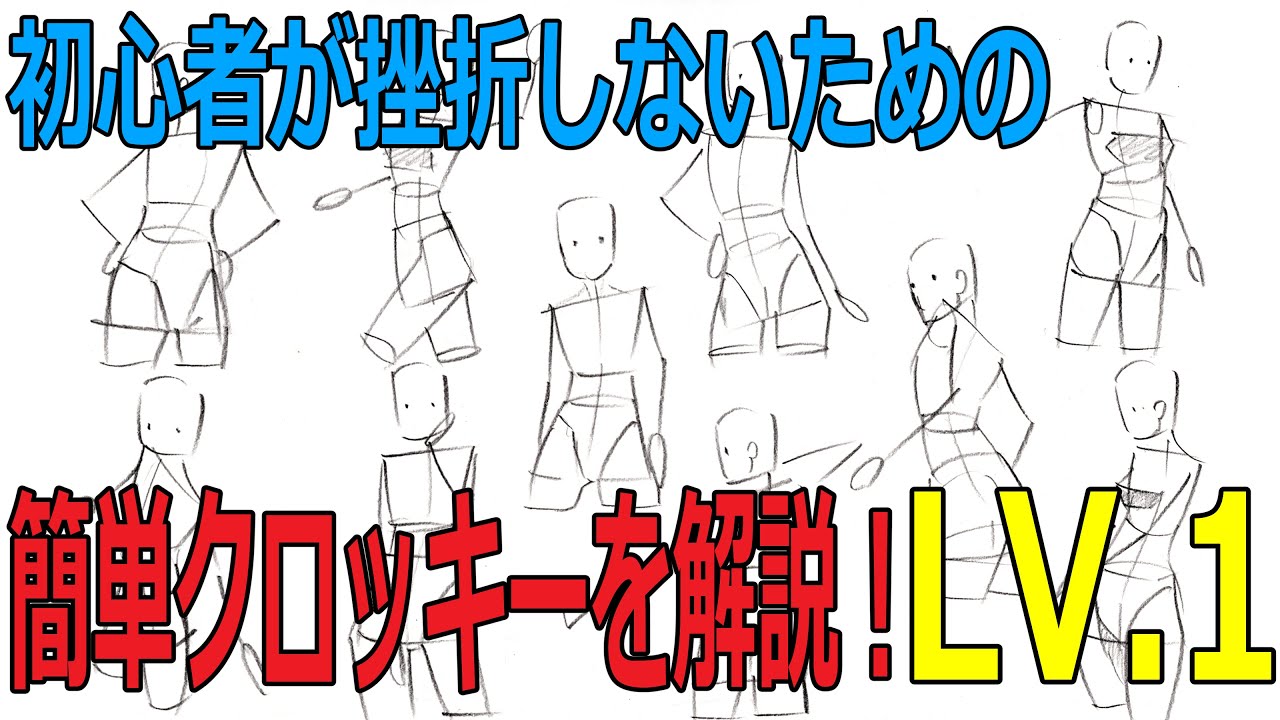
It’s hard not to recommend this YouTube channel considering they’re by far my favorite Japanese art instructor on YouTube. Has a lot of tutorials on figure drawing, my favorite being this video on クロッキー which is the thumbnail you see above.
Posing
By posing, I mean how to approach drawing specific poses ranging from the basic sitting pose to more complex action poses. Here, you will find two types of books. On one hand, textbooks that teach you how to draw certain poses, on the other hand, reference books that have a variety of poses for you to copy and learn from. Just a special note on this, if you have the money and time for it, I highly suggest getting figure drawing classes with a live model. It’s a different but worthwhile experience. Other than this, quickposes is a fantastic online tool to find poses. Usually, I’d use it for gesture drawing.
Books
ポージングのチュートリアル, Rino Park
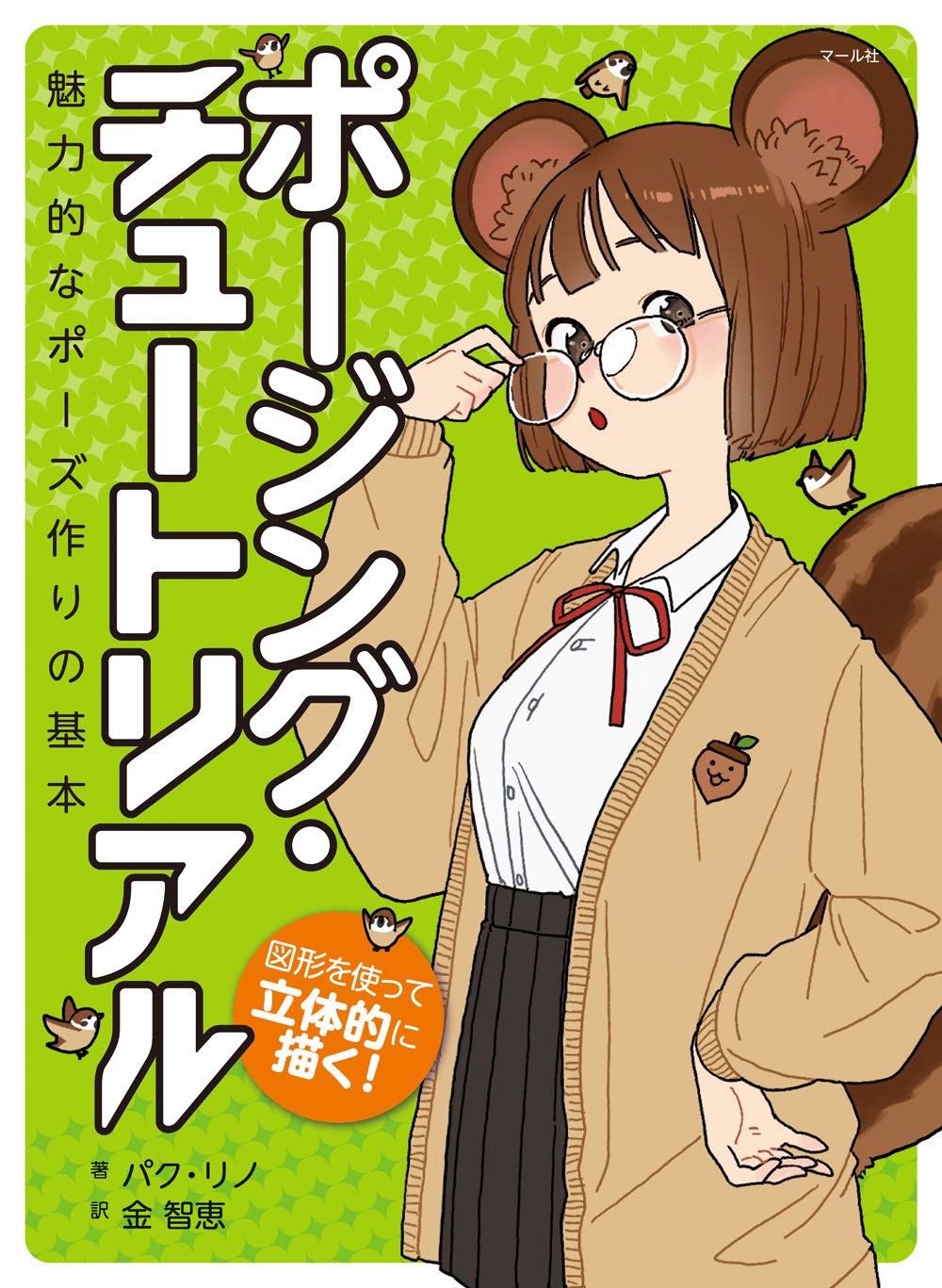
This is another book from Rino Park’s famous チュートリアル series. Here, the focus is on how to approach different poses through gesture, anatomy and perspective. As always, if you liked the other books in the series, you will like this one.
ポーズの定理, 篠房 六郎
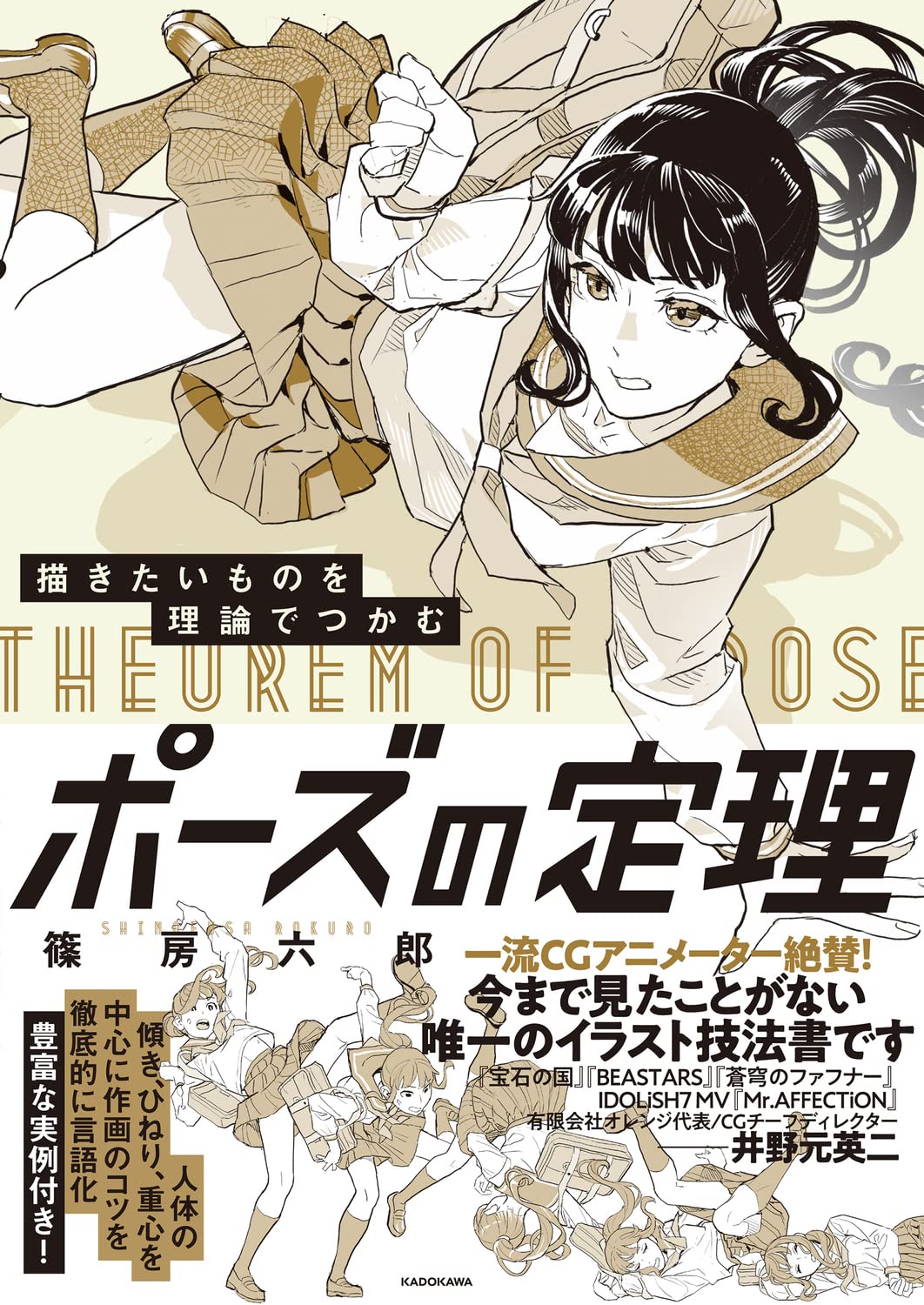
Another book discussing posing with somewhat of a focus on exaggerated poses for anime girls. Part of what makes this cool is that the author sometimes takes specific poses and shows you how to make them better, often by exaggerating the gesture and making it more dynamic. I haven’t used this a lot but it might be a cool reference if you don’t like Rino Park’s book above. Or maybe not, up to you.
キャラポーズの描き方, KawaiiSensei
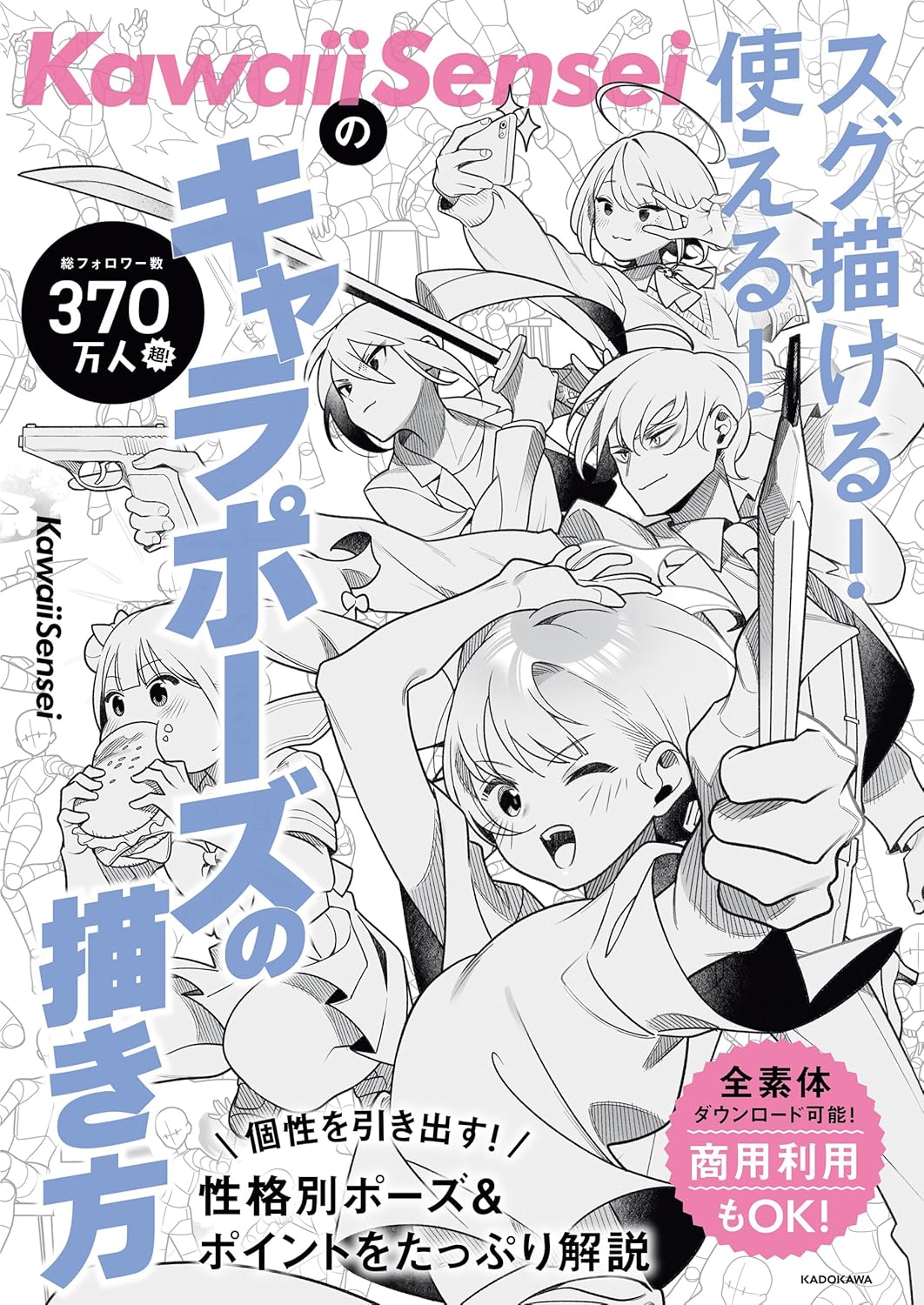
Another book by KawaiiSensei, this time focusing on how to draw a variety of poses. I haven’t read this one but coming from the author it must be pretty decent. I will probably buy it and report back.
自然なしぐさイラストポーズ集, ホビージャパン
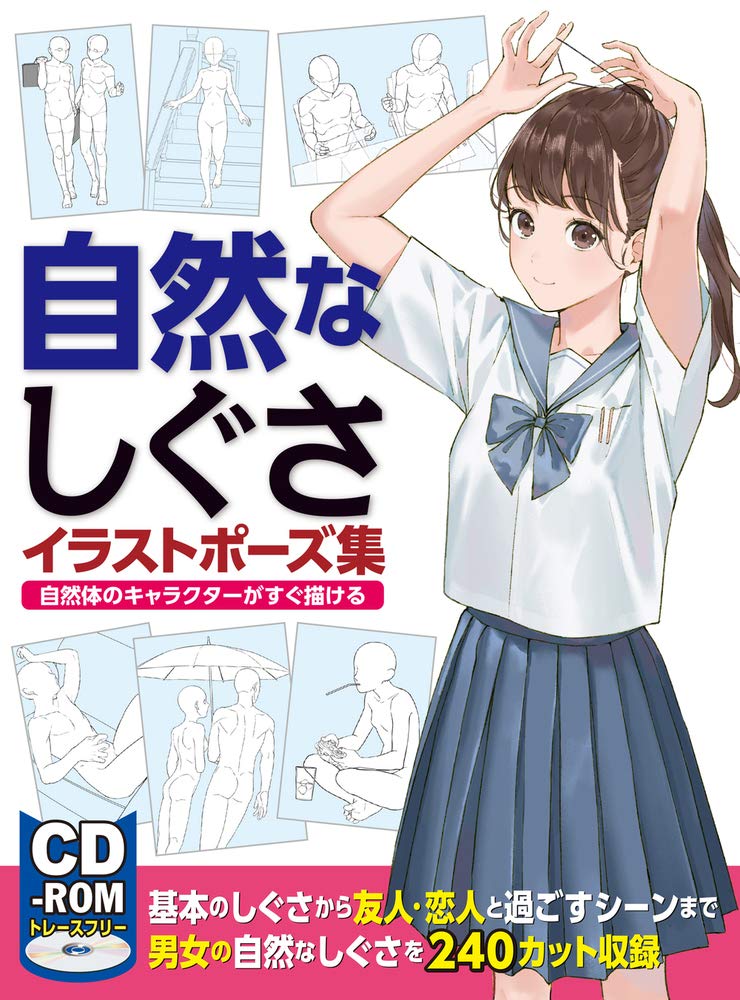
My personal favorite compilation of anime-style poses. They’re all great poses including quite a few interesting poses with two people, be it friends or a couple. Highly recommended.
アクションポーズ05あおりモーション, 東地和生, カラサワイサオ
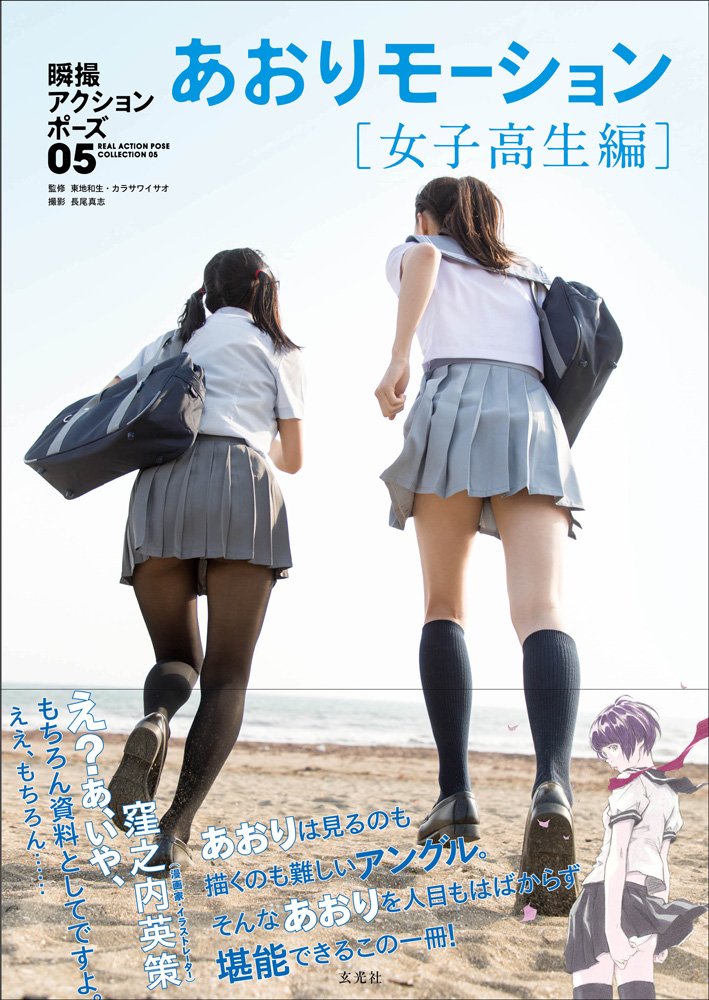
My favorite reference book for poses, part of a series called アクションポーズ focusing on, well, action poses. This one is about あおりモーション, meaning upshots. It has a lot of really cool, useful poses to copy. It’s actually the book I used in conjunction with Huston to learn how to breakdown the body in various simple yet characteristic shapes. Greatly recommended.
ポーズの美術解剖学, 加藤 公太
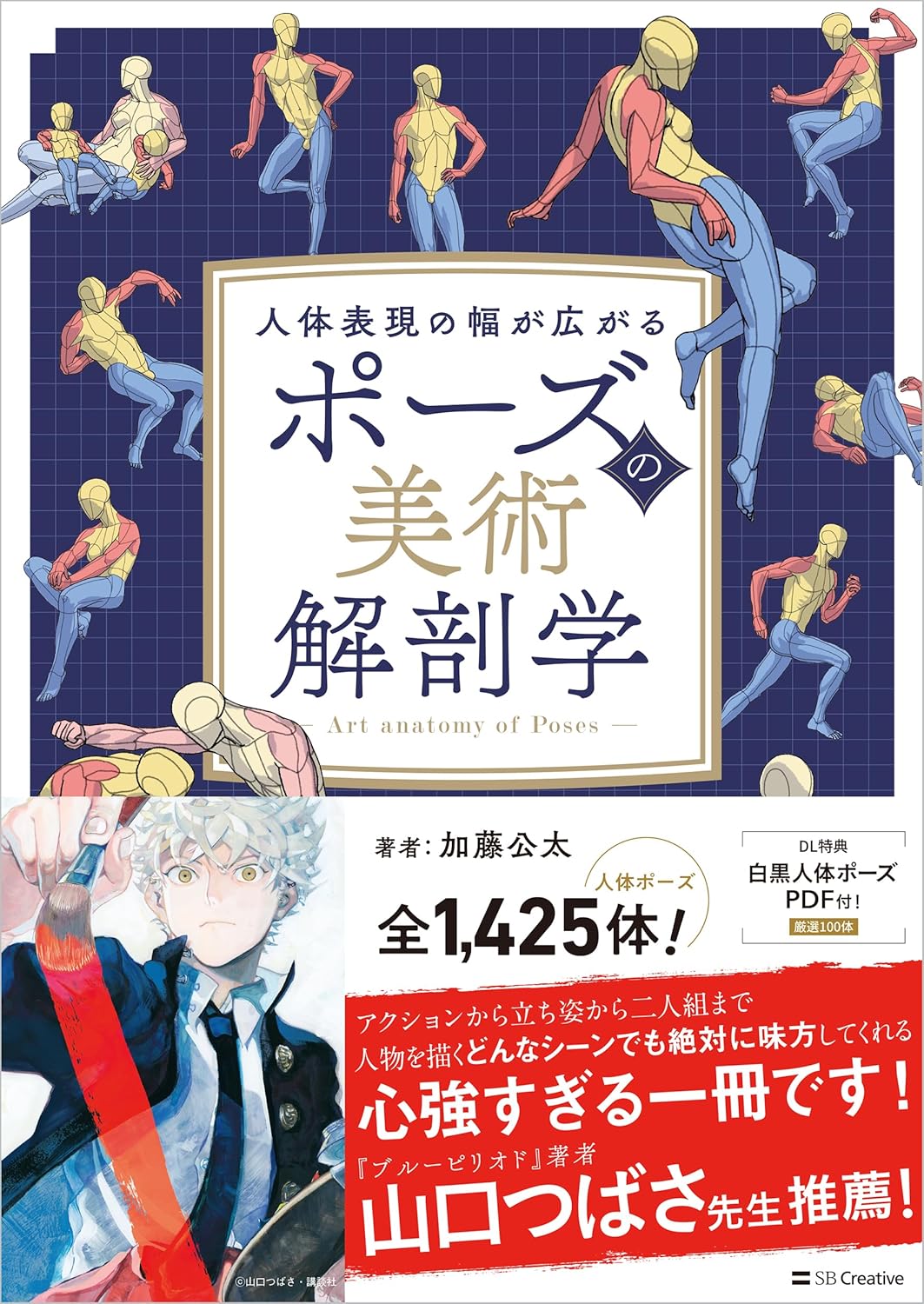
Although the title mentions anatomy, really this is more of a very large collection of a variety of poses that have already been simplified somewhat for you. The parts of the body are color coded and streamlined so that you can spend some time copying various poses. I consider this more of a reference book despite what the title claims. If you like this one, consider also the other book by the same author.
おんなのこイラストポーズ集, 川口イッサ
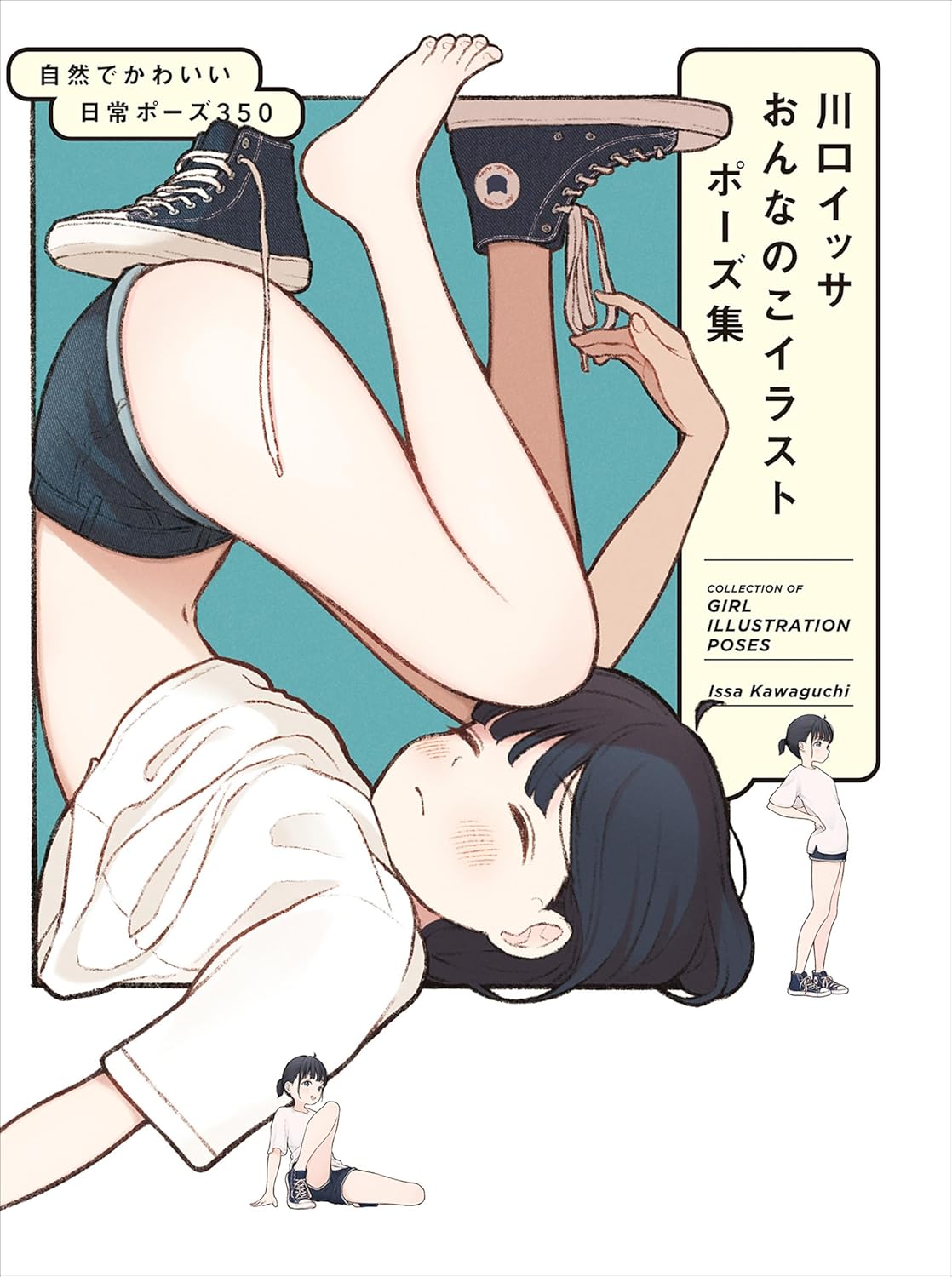
A well made collection of a variety of poses focusing on very cute girls, usually in a younger style. Personally I’m more into edgy characters so I don’t find it as useful, but maybe you like it. If so, there’s a second book.
とにかくポーズ, いちあっぷ編集部
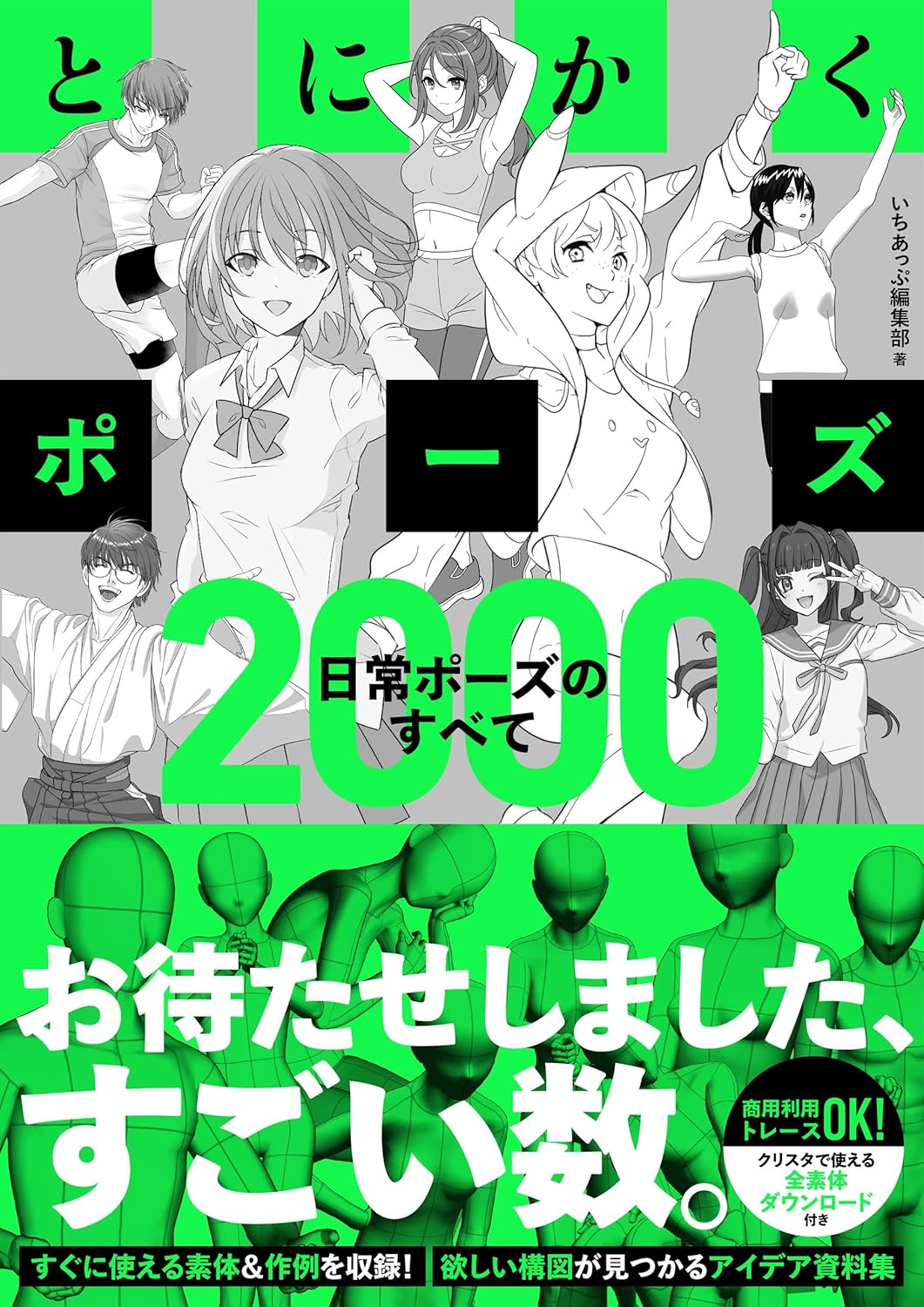
A huge collection of poses to learn from. Very varied and once again already simplified. A good reference book to have considering it even has poses with more than one person.
ちょっとドキドキする女の子の仕草を描くイラストポーズ集, サイドランチ
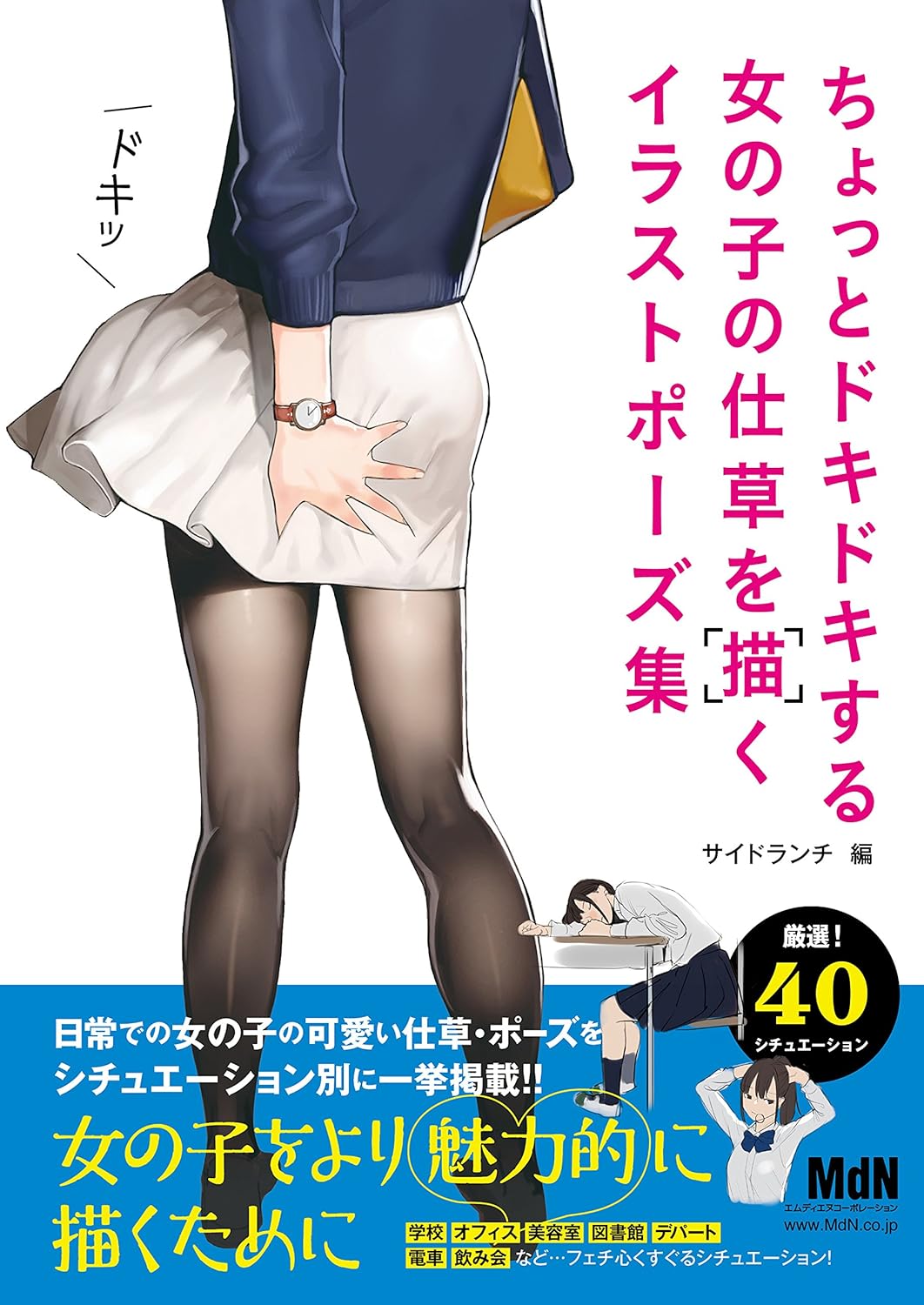
Those are poses meant to have you ドキッ, mostly composed of slightly risqué shots of everyday situations (日常の何気ない可愛い仕草 according to the description). It’s fine, I’d get it if you’re interested in this kind of stuff.
General Anatomy
Ah, yes, anatomy. For some reason, every beginner artist seems to be obsessed with it. Yes, it’s always seemed to me like anatomy was the domain of advanced artists. In general, the main issues that arise with beginning artists have more to do with what I have called before figure drawing, that is to say, correct proportions. This is about the study of individual muscles, how they attach to the body, how they flow, how they form one coherent mass, how we can simplify them. In this section, we tackle general anatomy, that is to say, anatomy for the whole body. The anatomy of specific body parts (e.g. the head) will be discussed below.
Basic Human Anatomy, Roberto Osti
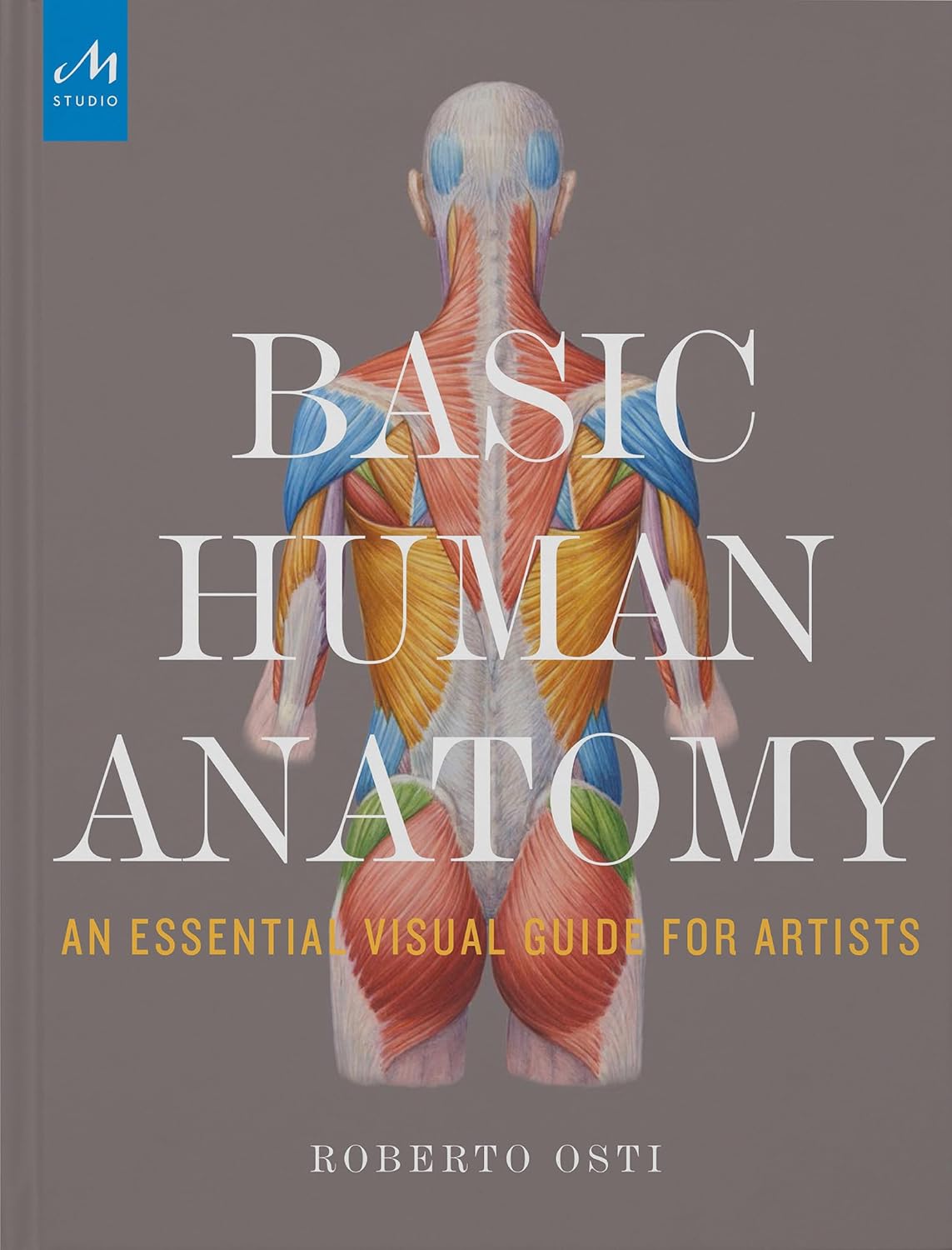
This is maybe my favorite book on anatomy proper. Osti is a fantastic anatomical artist, the drawings are gorgeous and truly help you better understand the anatomy of the human body without overcomplicating every single muscle. To me, it sits “just right”. The stereometric approach proposed in the book is nice to grasp the basics of human anatomy. Highly recommended.
Dynamic Human Anatomy, Roberto Osti
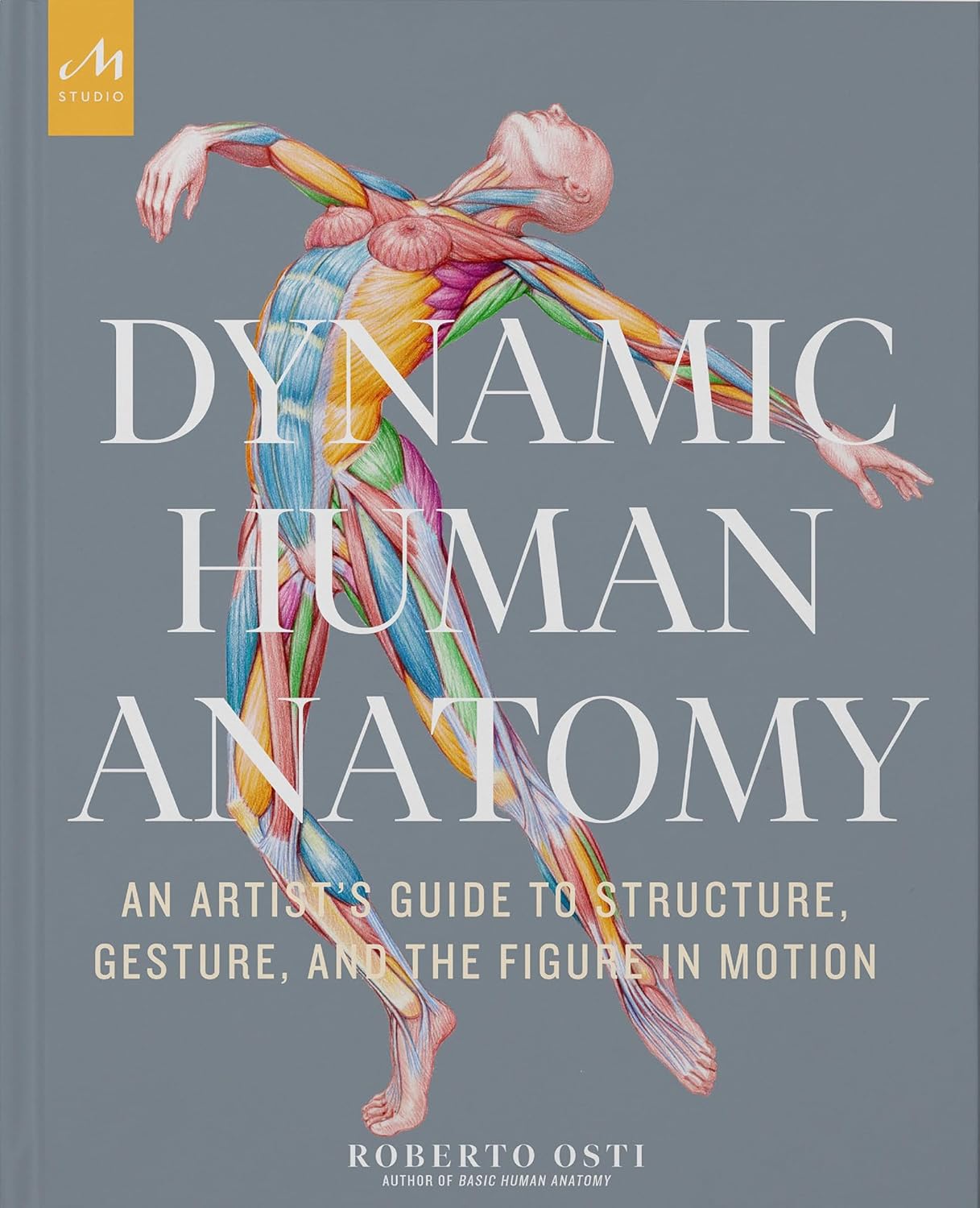
This is the follow-up book, dealing with more dynamic problems in anatomy. If you liked the first volume, you should get this one although it is definitely more advanced due to the nature of dynamic anatomical poses.
Anatomy for Sculptors, Uldis Zarins
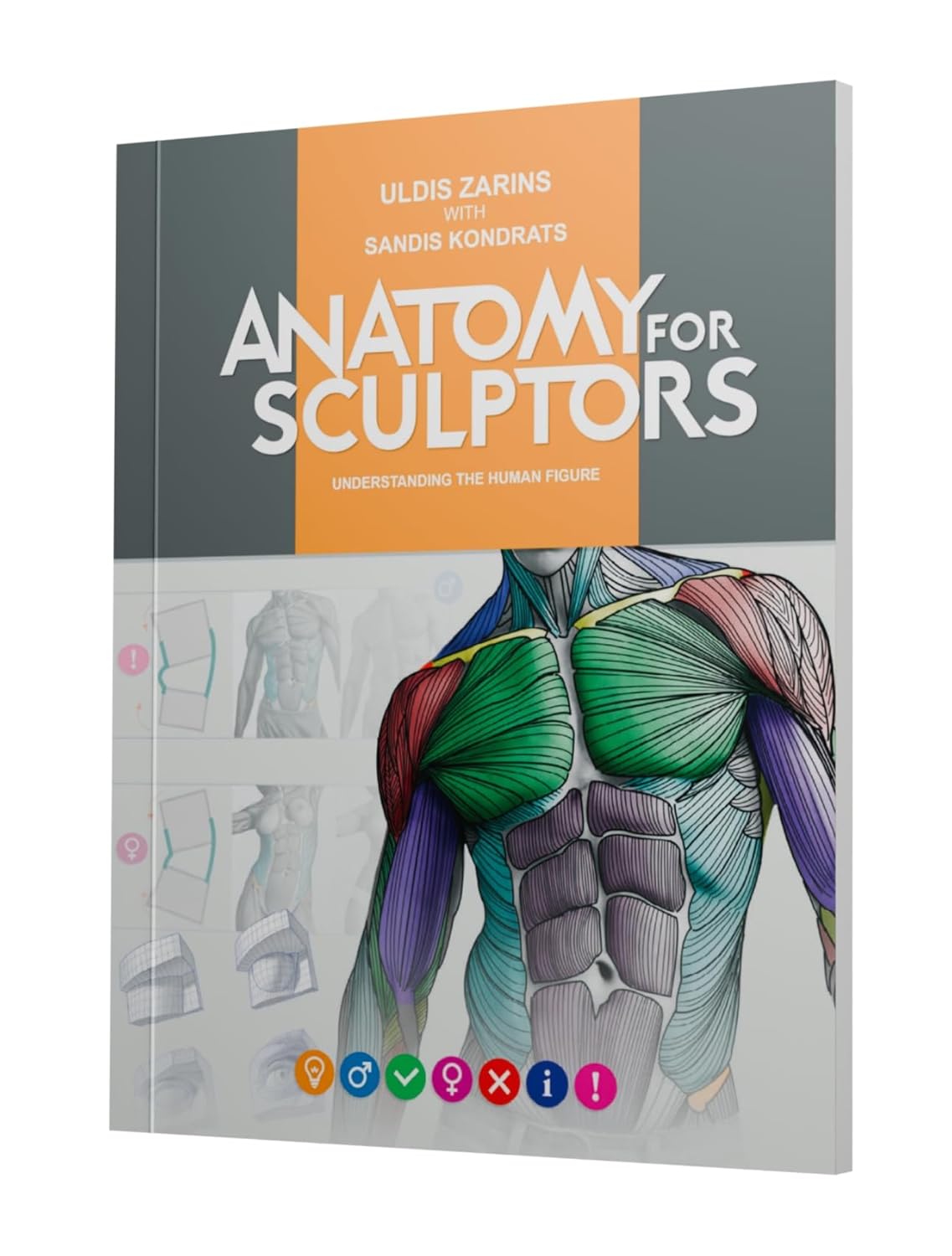
This fantastic reference is full of extremely detailed anatomical pictures, including 3D models. I use it as the ultimate reference book to help you answer some of your finer anatomical questions. The author is a sculptor but it’s not just for sculptors despite what the title says.
Morpho Series, Michel Lauricella
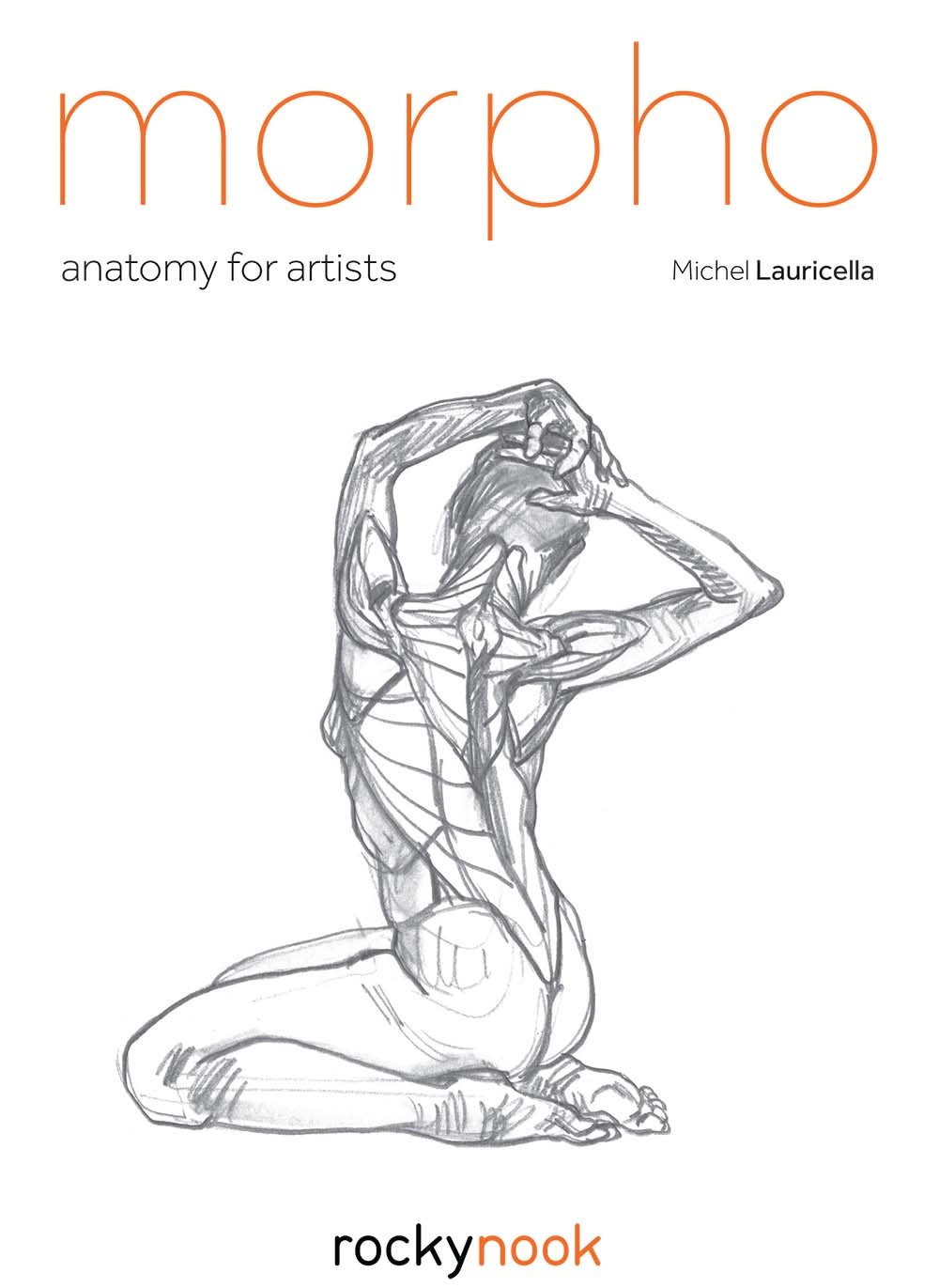
The Morpho series (originally in French) is one of the most popular series of book on drawing. Most of them deal with anatomy with a few exceptions (most of which we will see below). I often see people recommend these for beginners but I think they’re decently tough for beginners because you have to understand the simplification that the author makes and you need some experience to appreciate them. Still, it’s fantastic and you should definitely get them. The thumbnail only shows the first book but there are many of them.
Anatomy for Artists: Drawing Form & Pose, Tom Fox
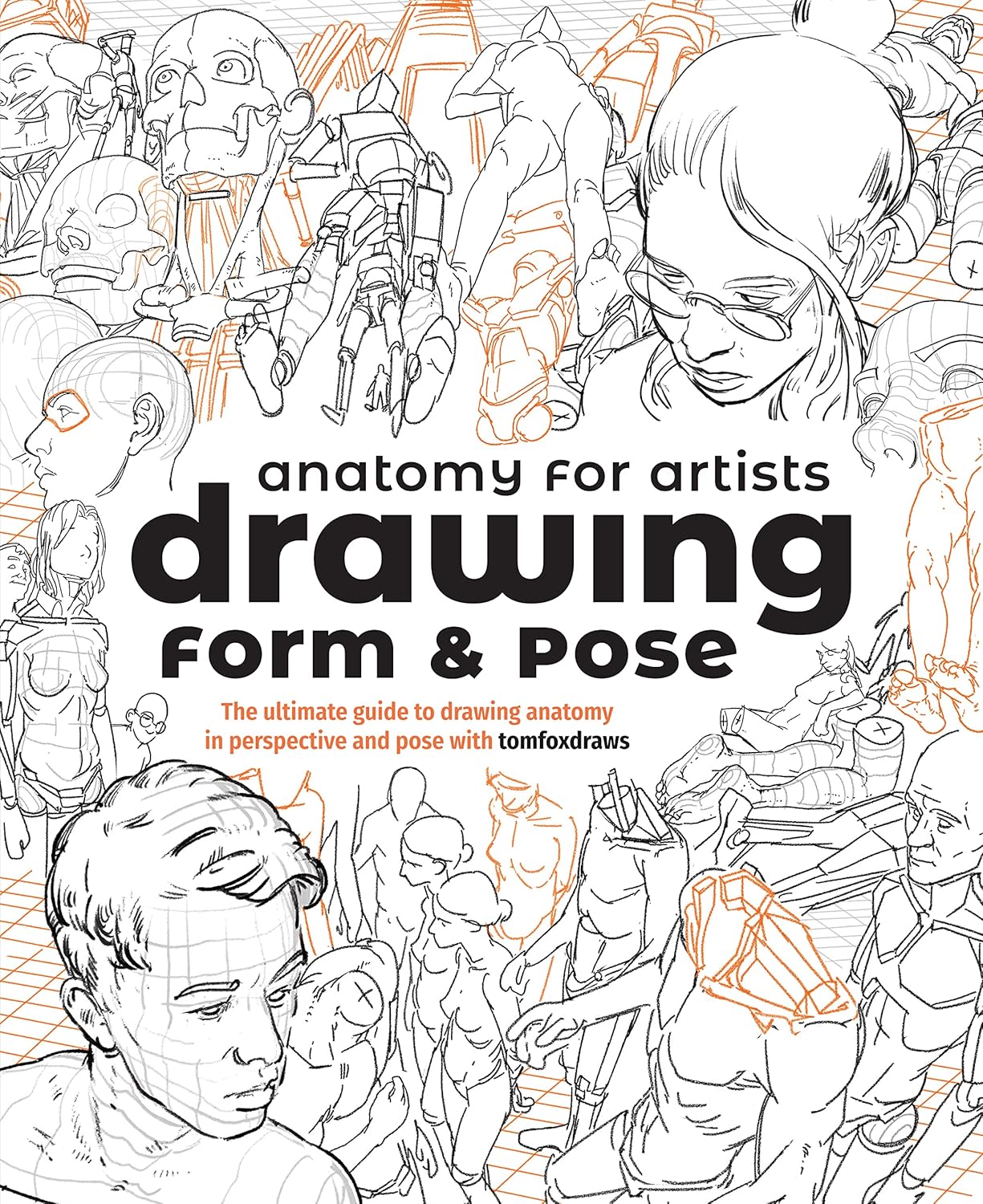
Tom Fox is a pretty well known artist (especially on social media) and this is his approach to anatomy. There are a variety of lessons on different topics with tips and tricks and many good pictures (hehe, old men). In general, the drawings are very “fleshy” for lack of a better term. Good stuff.
Stonehouse’s Anatomy Note, Jeonghyun Seok
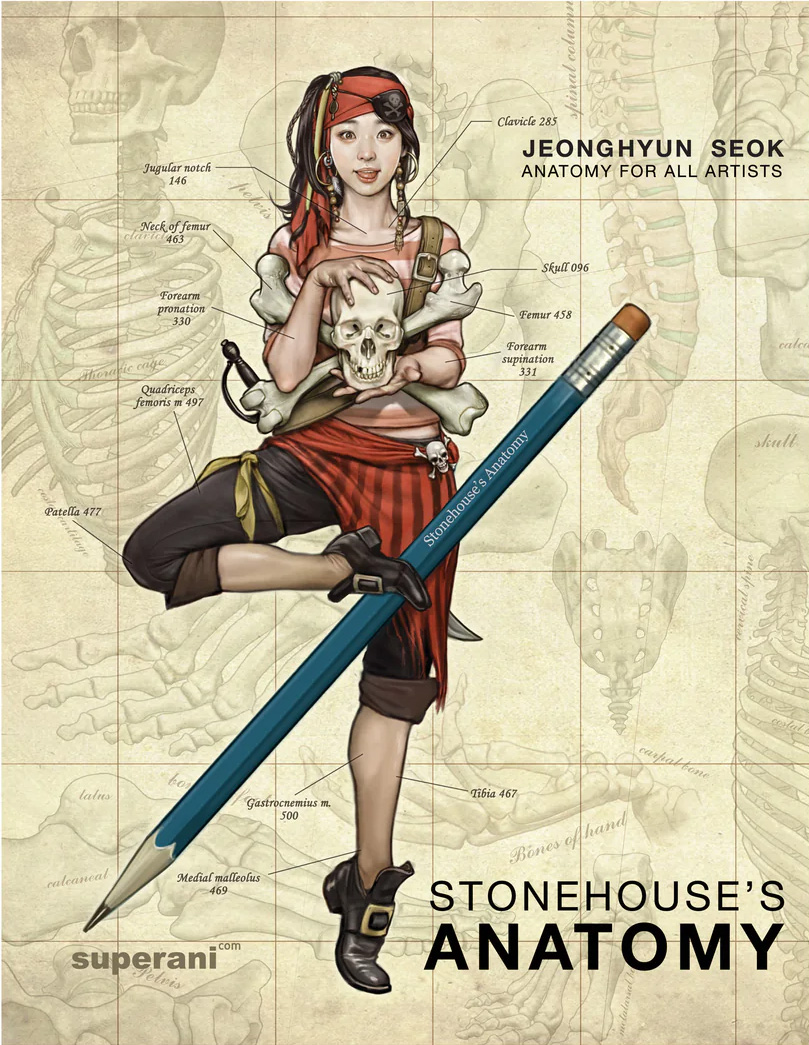
Considered by some to be kind of a final boss of anatomy. Honestly, it’s very thick and I haven’t been able to learn much from it yet because it’s just above my paygrade, but it’s legendary for a reason. The drawings are insane and you can tell the author understands anatomy in and out.
Bridgman’s Complete Guide to Drawing From Life, George B. Bridgman
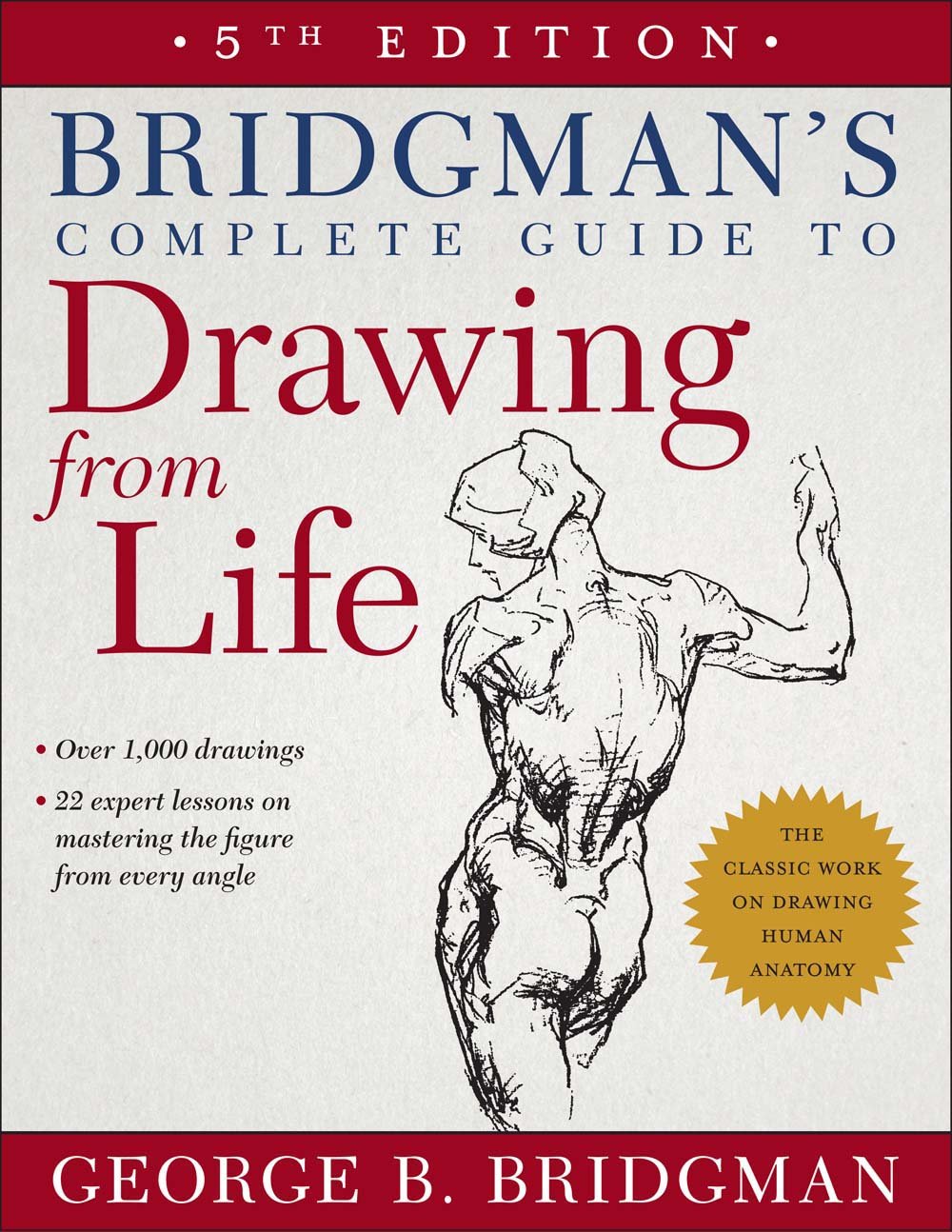
Is there a more famous anatomy book than this? Bridgman is feared by many and for good reason, it takes a lot of time to digest it. In fact, it’s so well-known in the community that famous art instructors such as Alain Watts and Proko have spent time explaining how exactly to study from Bridgman. The general way people use this book is by copying it cover to cover twice, the first time with the references in front of them. I’m not there yet, but Bridgman’s influence extends everywhere when it comes to illustrations so it’s kind of a rite of passage, I guess.
Strength Training Anatomy, Frédéric Delavier
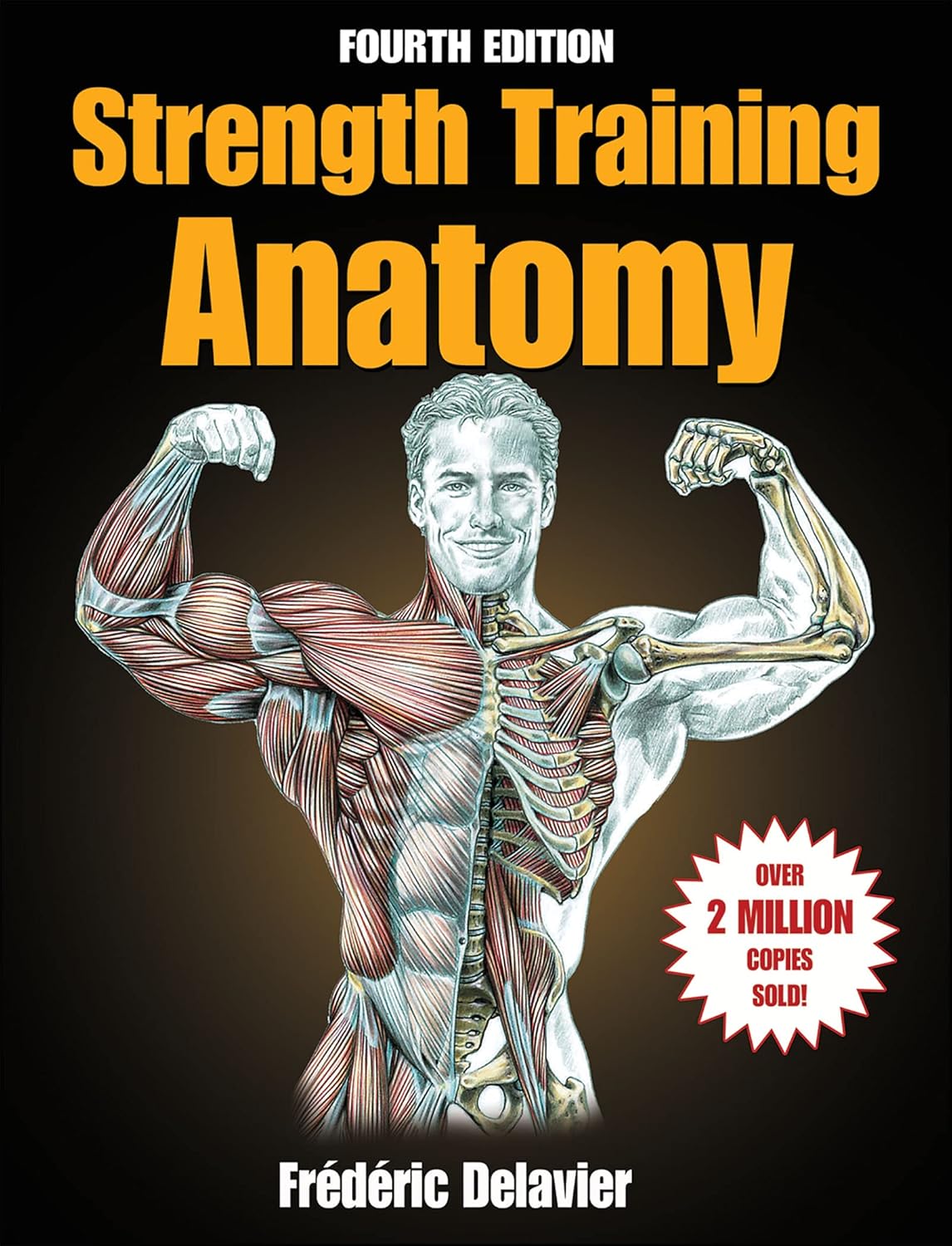
This might seem like a bit of a weird addition. This is very clearly a book about strength training, so why is it here? Well, the anatomical drawings are just fantastic. This book has been praised by many artists for a good reason. Good stuff, especially if you like to draw muscular bodies.
人体の構造と動き, 蒙小洛
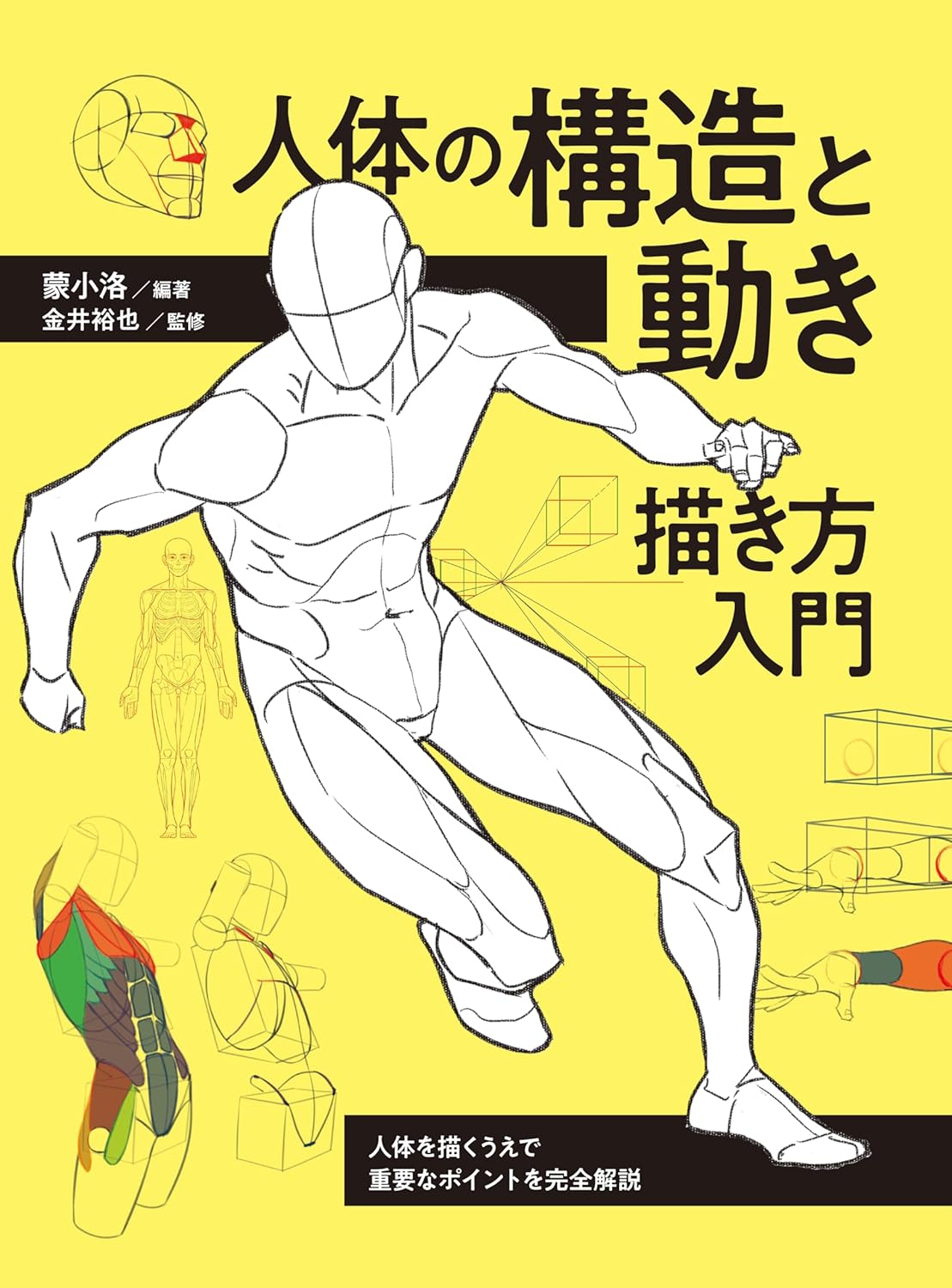
An interesting book on anatomy (do not let the title fool you) with direct applications to more dynamic poses and movement, something that tends to be lacking in books discussing anatomy in my experience. I feel like the simplifications made are just right, although the book is slightly more difficult than it looks, so don’t be fooled by the cute anime characters, this is a real anatomy book.
Courses
Anatomy of the Human Body, Stan Prokopenko
Perhaps the most famous anatomy course on the internet. Proko’s humor is a bit grating at times in my opinion, but you can tell he’s a fantastic artist when it comes to the human body. His simplifications are pretty good (I especially liked his way of conceptualizing the pelvis) and it’s extremely comprehensive. Good if you prefer videos.
Art Anatomy for Beginners, Steve Huston
If you liked his figure drawing book or classes, you might enjoy Steve Huston’s approach to anatomy laid out in this course. Anatomy was already tackled in his book, but I usually suggest beginners don’t spend too much time on it early on, so if you didn’t cover that part of the book, you might want to do it while following this course.
Specific Anatomy
In this section, we take a look at specific parts of the body that people tend to have problems with such as the head or the hands and feet.
Books
Drawing the Head and Hands, Andrew Loomis
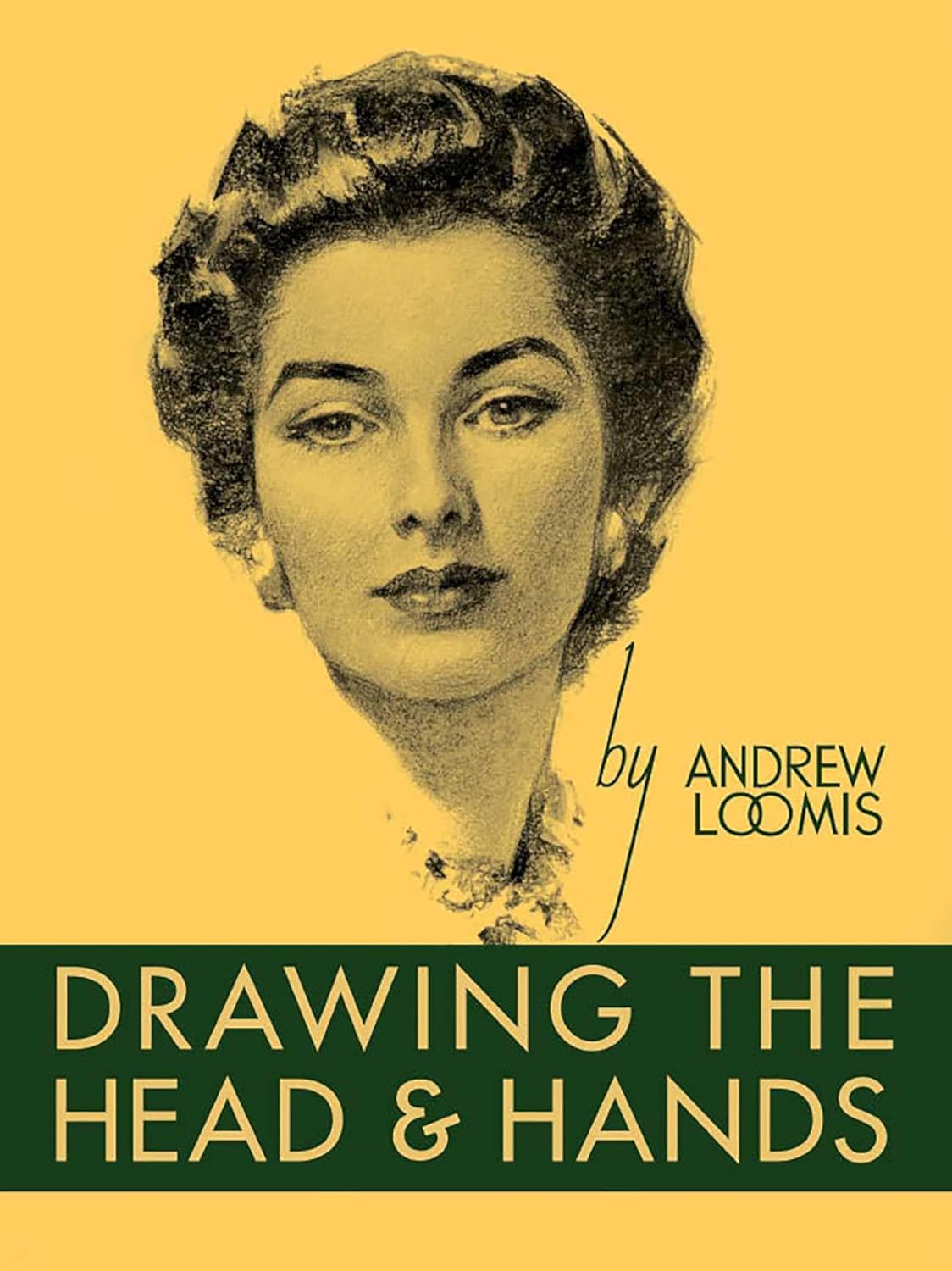
Still the reference for drawing the head and hands in my opinion. Of course, it’s Loomis, so you can expect a lot of gorgeous drawing and a lot of time spent trying to copy them well to understand what simplifications he is making to make it look good. Highly recommended.
Morpho: Face, Neck and Head, Michel Lauricella
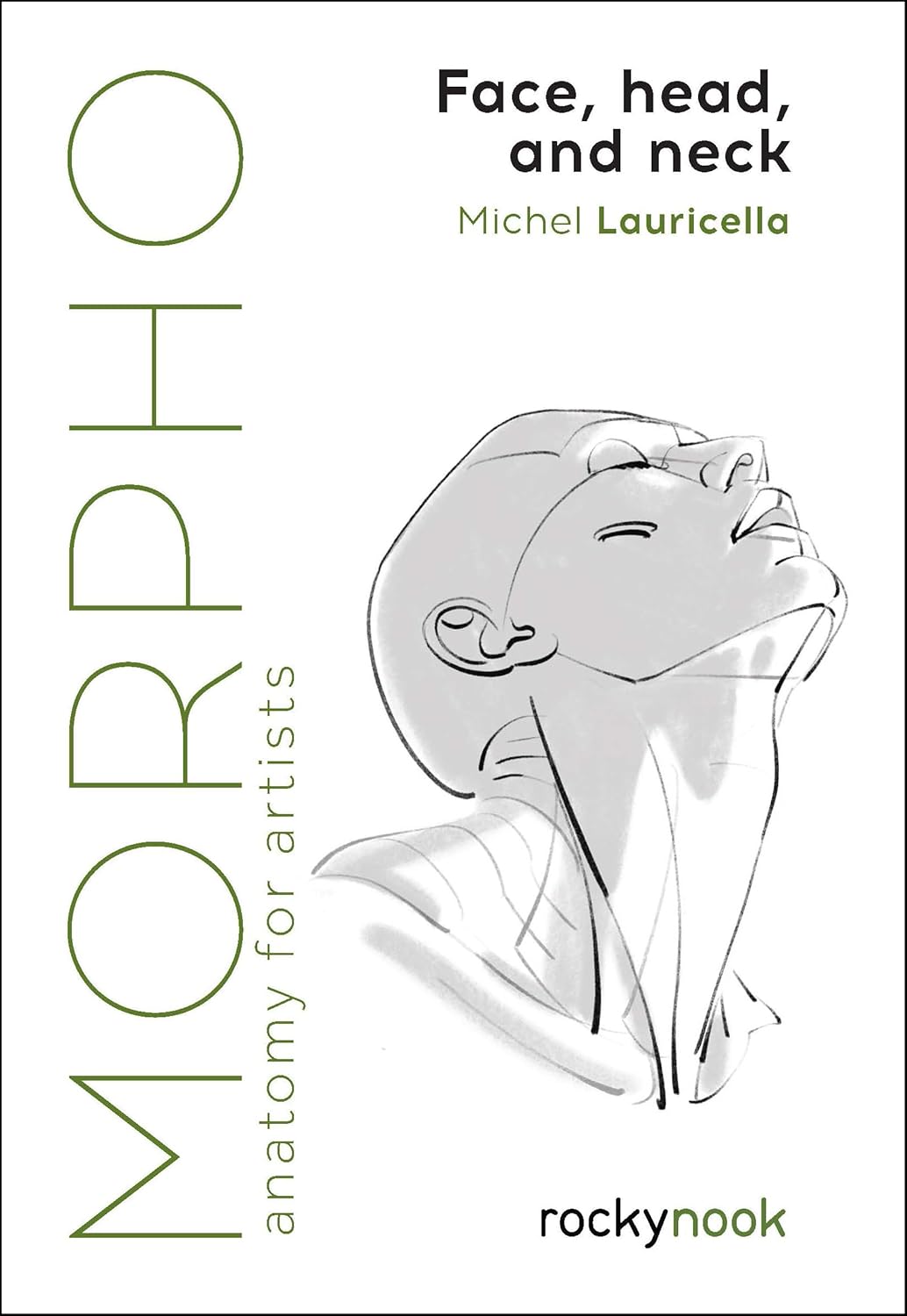
We’ve already seen the Morpho series but I would like to highlight this book and the one below because they focus specifically on areas that tend to pose a lot of trouble for beginners, the head and the hands and feet. As usual with Morpho it’s not terribly easy but it’s extremely worth looking at to understand how to simplify anatomy in a productive way for your drawings.
Morpho: Hands and Feet, Michel Lauricella
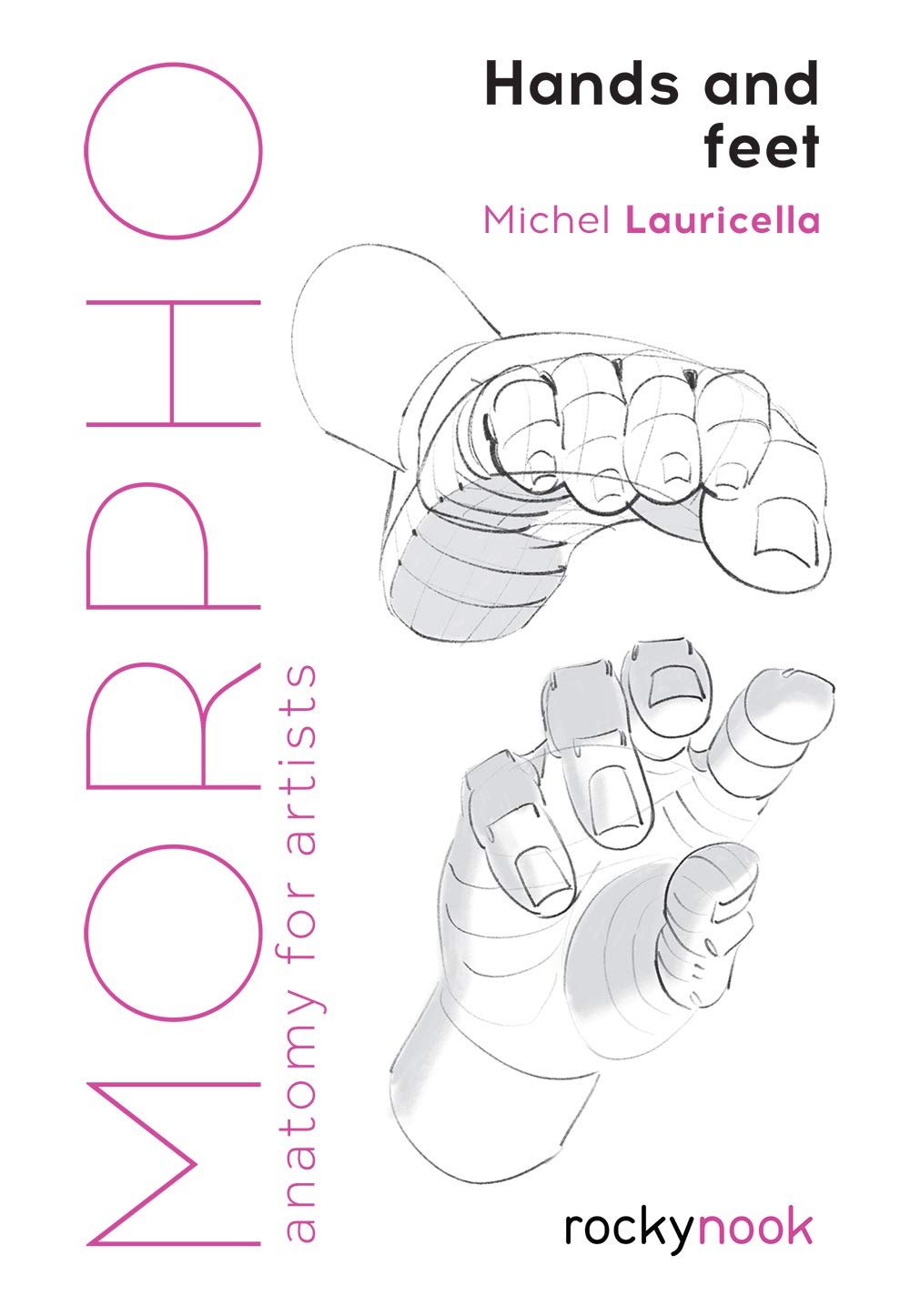
Same as the above but focusing on the hands and feet, two areas of the human body that are consistently among the hardest to nail as is evidenced by AI training in that area.
「手」の描き方, 加々美 高浩
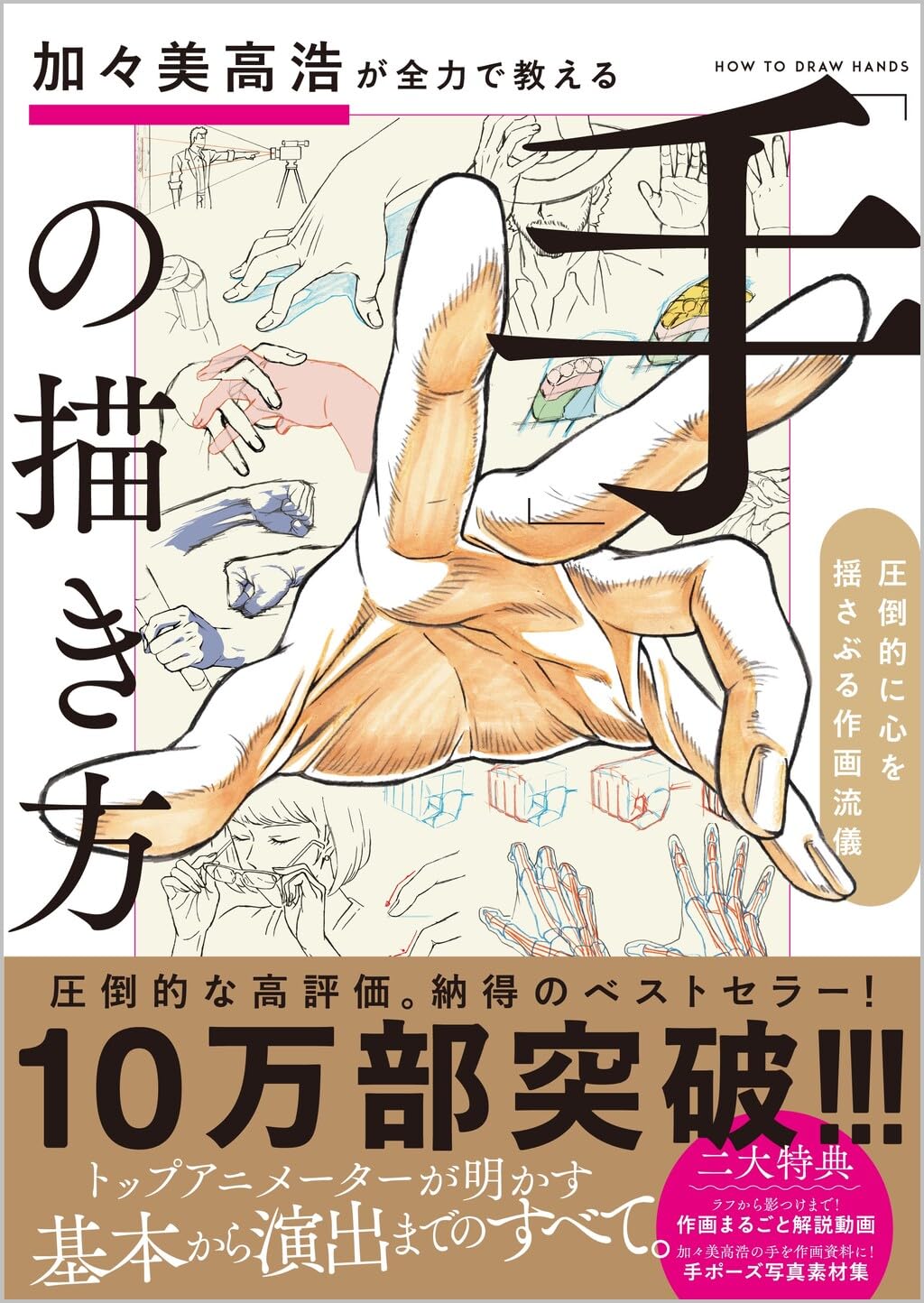
A part of the sames series as mignon’s 肌塗り and どうしま’s 服の塗り方, this one focuses on the hands. I’ll admit I haven’t really looked at this one much but when I skimmed it in 紀伊國屋 it looked decent. There’s a second book too. If you’re specifically looking for anime-style hands, this might be worth looking into.
目の描き方, 末冨 正直 et al.
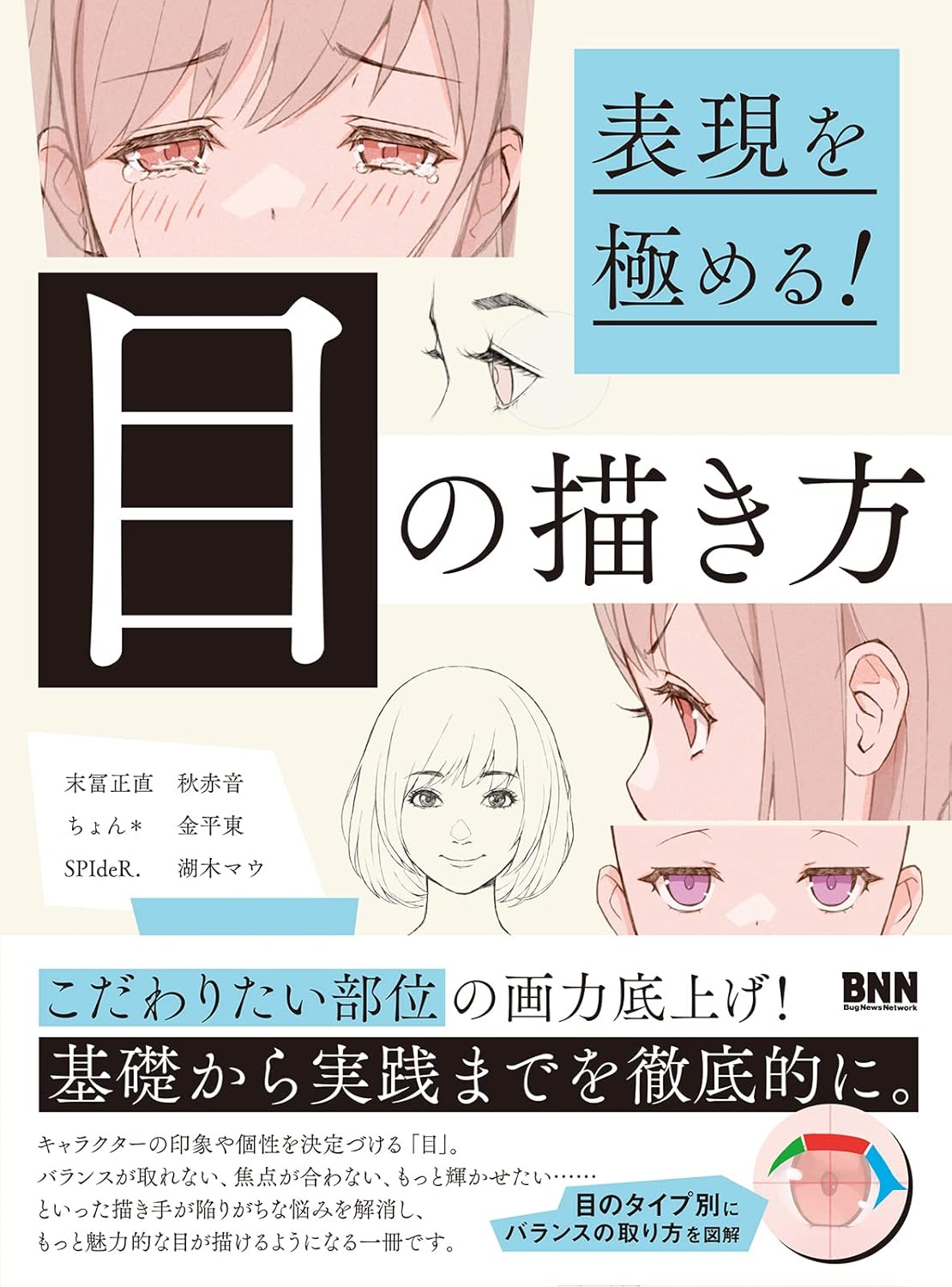
This book is one of those Japanese artbooks where multiple illustrators get together to showcase their skill around a specific theme. Here, it is about the eyes in general with a first part discussing how to draw the eyes from various angles and so on.
「瞳」描き方事典, 株式会社レミック et al.

This book is of the same category as the one above but focuses very specifically on the 瞳, the pupil of the eye, which is one of the major points of departure between classical portraiture and anime-style drawings. As other books in this series, it focuses on Clip Studio Paint but you can probably translate it to other digital illustration software.
きらめく瞳の描き方, 玄光社

Part of the famous 超描けるシリーズ, this book focuses on the same topic: anime-style pupils. I feel like it does a bit of a better job at showcasing very different styles but both books are good so I would honestly just get both.
「髪」の描き方, Paryi

Another book in the same series, this one features a very extensive discussion of hair. Paryi is a true master and presents a wide variety of ideas including really wavy and interesting (albeit not practical) hairstyles.
Morpho: Fat and Skin Folds, Michel Lauricella
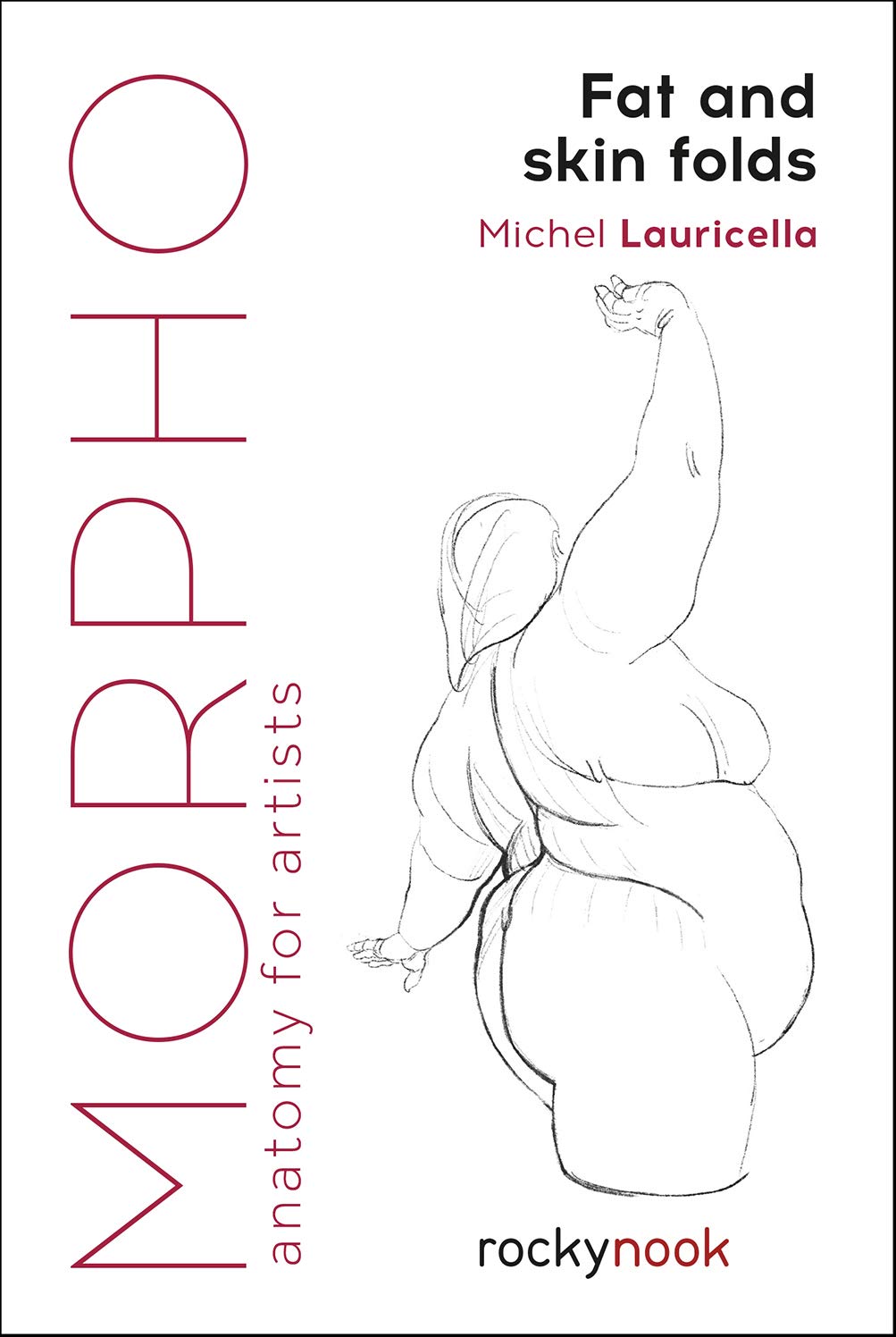
Now that’s a book filling an important niche: how to draw fat around the body. This is a particularly interesting topic for the discerning artist because fat distribution is not as easy to understand as it might seem at first. Once again, another Morpho book so you know the drill, most of the good stuff in here is in the drawings, so get copying.
Courses
Understanding and Painting the Head, Marco Bucci
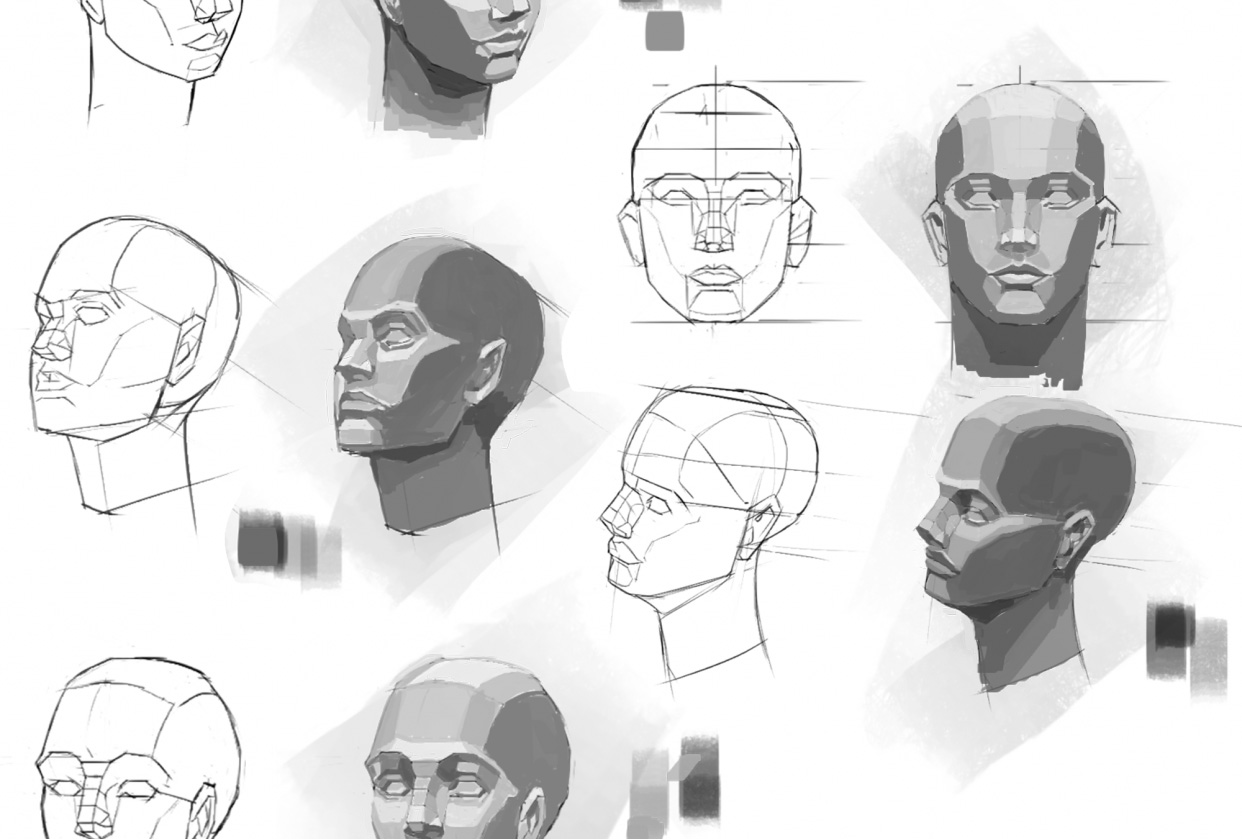
Marco Bucci is a fantastic art instructor. This course is a great introduction to drawing the head. Understanding the head really is about understanding the planes of the head (Asaro, etc.) and Marco explains it nicely which leads well to the part about shading.
Constructive Head Drawing, Steve Huston
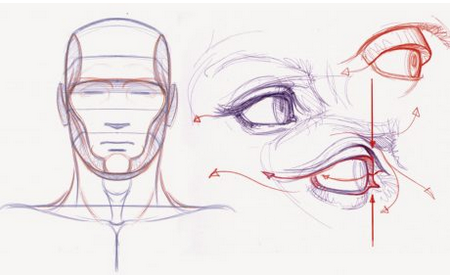
You know of my admiration for Steve Huston already so I won’t waste too much time. If you like his stuff, you will like this. Bonus points for discussing how aging influences the anatomy of the head over time. There is a follow-up course.
Head Drawing and Construction, Michael Hampton
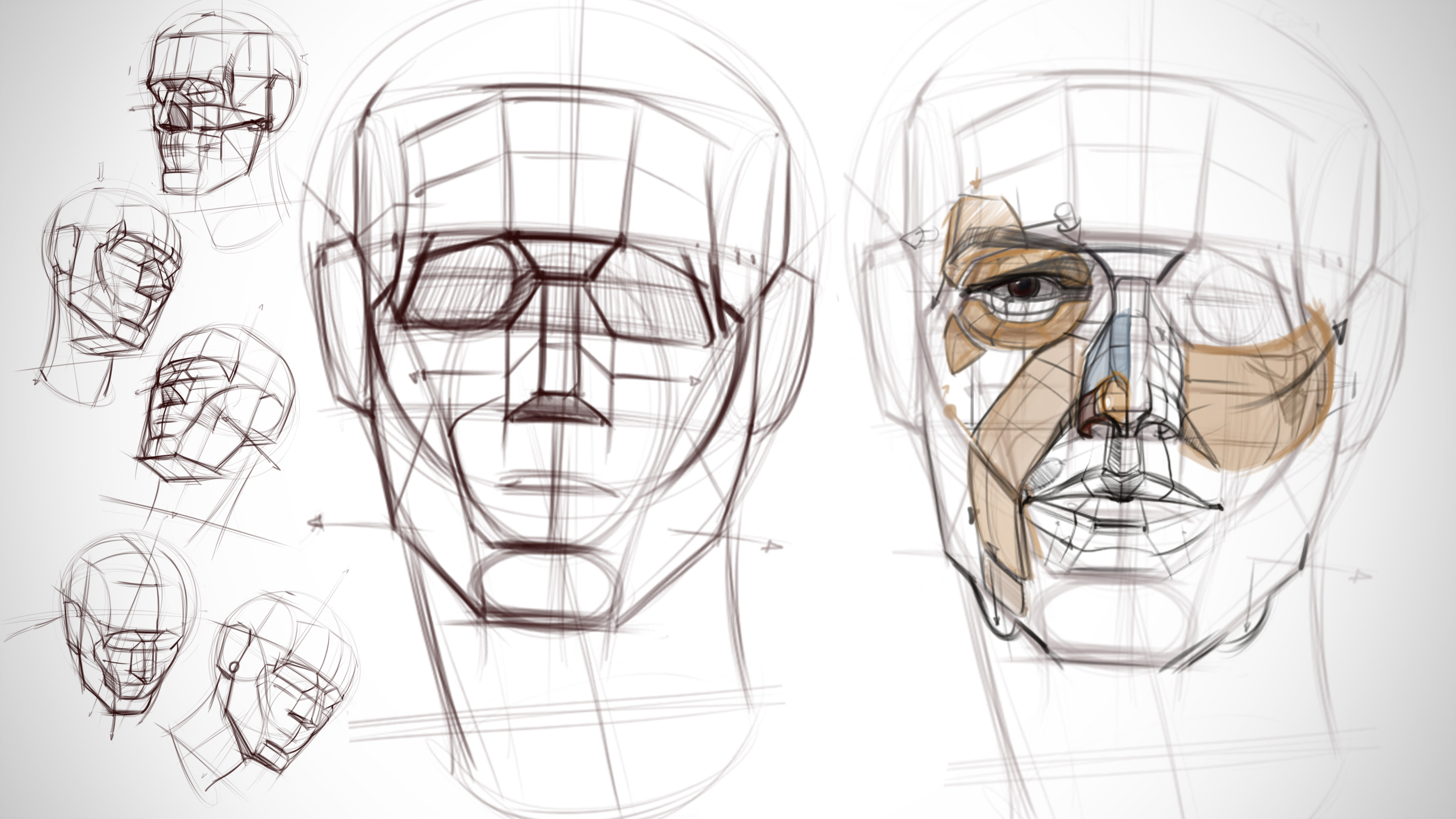
Michael Hampton is the other author I really appreciate. As you might have noticed from his figure drawing book, Hampton is very constructive. If you liked his approach, you might like this course.
Portrait Drawing Fundamentals, Stan Prokopenko
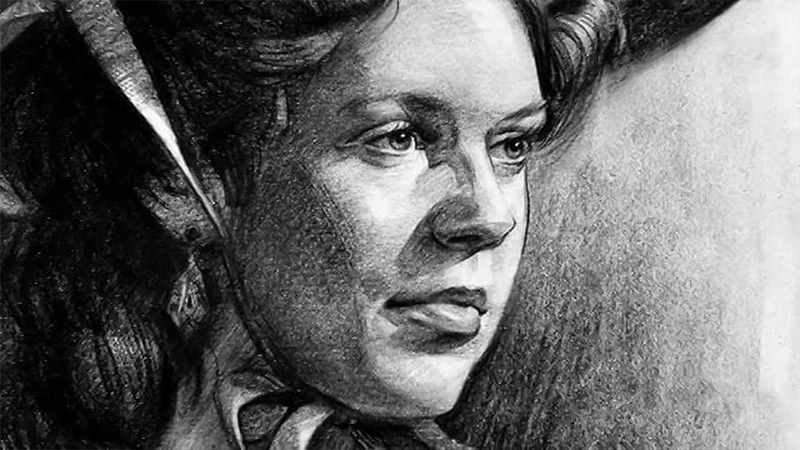
Another one of the many video course that Proko has put out. I wasn’t sure where to put this here since I don’t have a portrait section (I don’t really care much for it to be honest) but I figured it was about capturing the human head and its emotions after all. It’s the usual Proko stuff, if you liked his Figure Drawing or Anatomy courses, you will like this. The production value is always high.
Creative Design
The first two modules dealt with a lot of foundational topics. This third module, the final one discussing specific learning resources, is more subtle. It deals with the question of design in general: How do we design appealing characters? How do we design beautiful backgrounds? The first question will be answered with character design which is split into general character design and clothing.
Character Design
Picture this: You draw really well, you honed all your fundamentals, your perspective is fantastic, your anatomy is outstanding, great gesture, great rendering. The only question left is: what do we draw? The books in this section help you think about this with regards to characters.
Books
Designing Creatures and Characters, Marc Taro Holmes
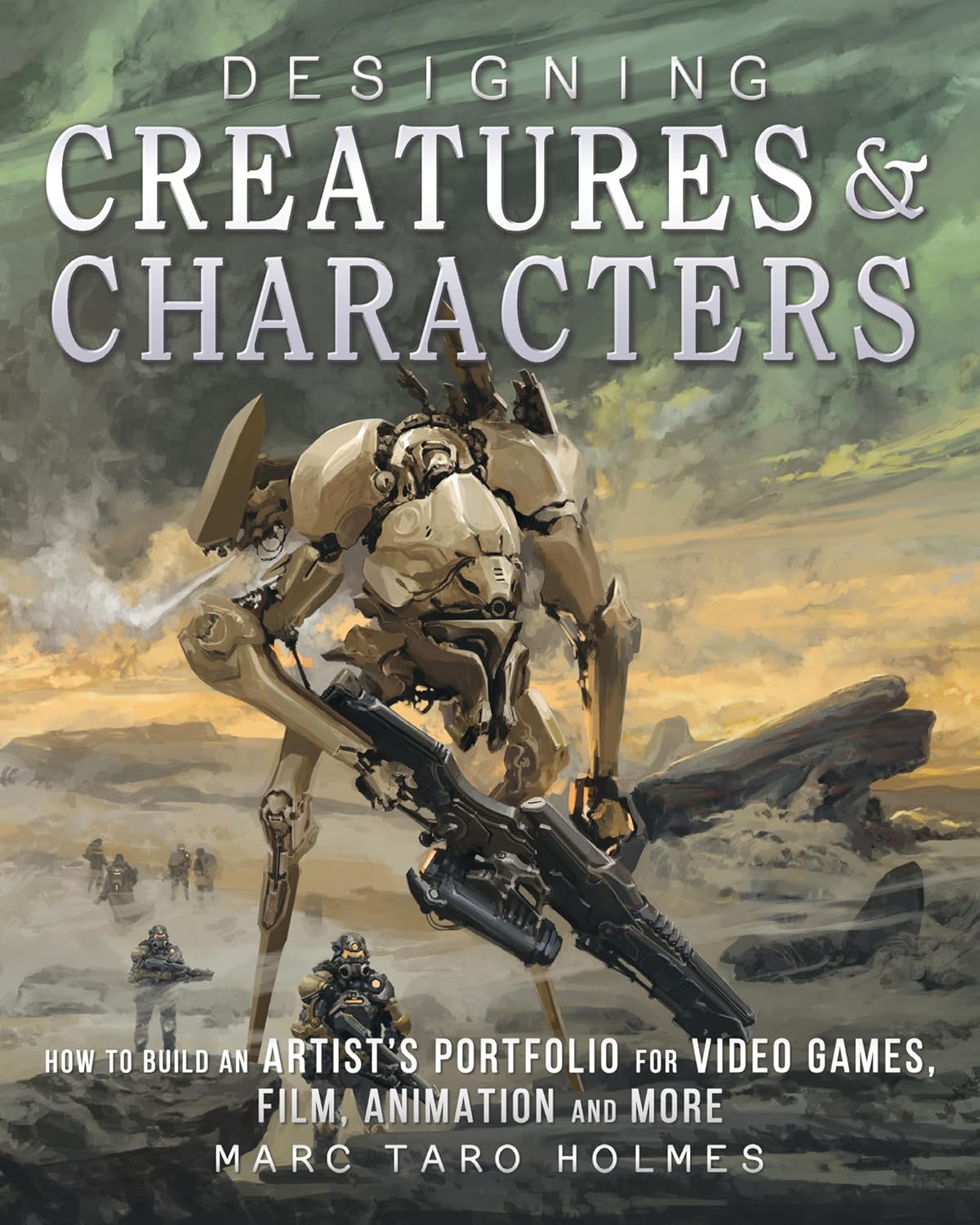
A pretty cool book from the rest of the section that doesn’t focus so much on specific things as much as it is about generating interesting concept ideas. You can tell Holmes is an industry veteran because the whole thing sounds very “industry-ready” so to speak, so if you’re trying to break in the concept artist space you should get this book.
Fundamentals of Character Design, 3dtotal Publishing
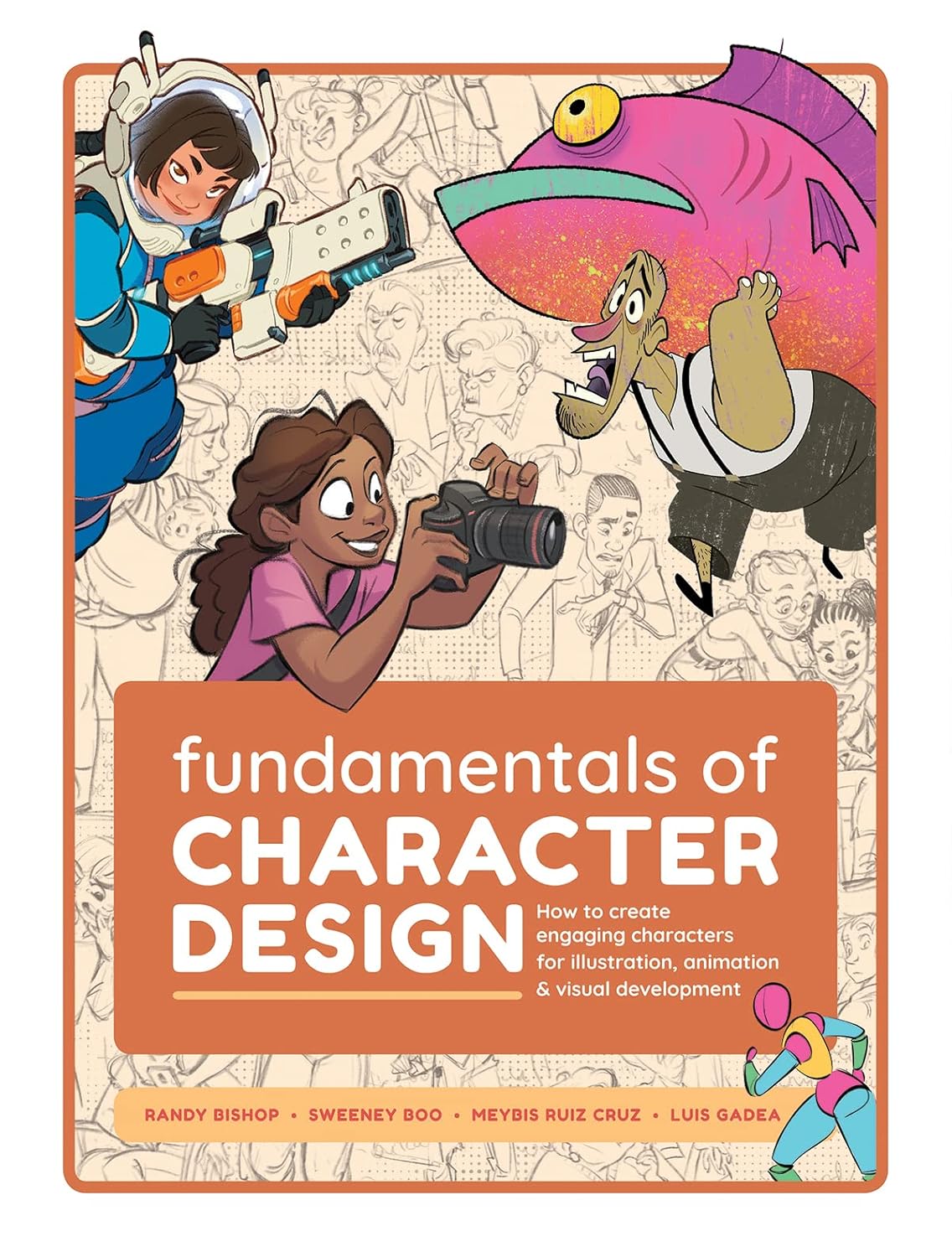
Immediate disclosure, I have not bought this book (yet). As the title implies, this books lays out the basic fundamentals of character design such as shape language, choice of color, etc. To be honest, I’m not a huge fan of this kind of cartoonish style but the book is supposedly fantastic so I’m keeping it here. I have heard a lot about it from friends so it is probably decent at least. If when I get it I realize it’s not great, I’ll take it out.
ゼロから生み出すキャラクターデザインと表現のコツ, 紅木 春
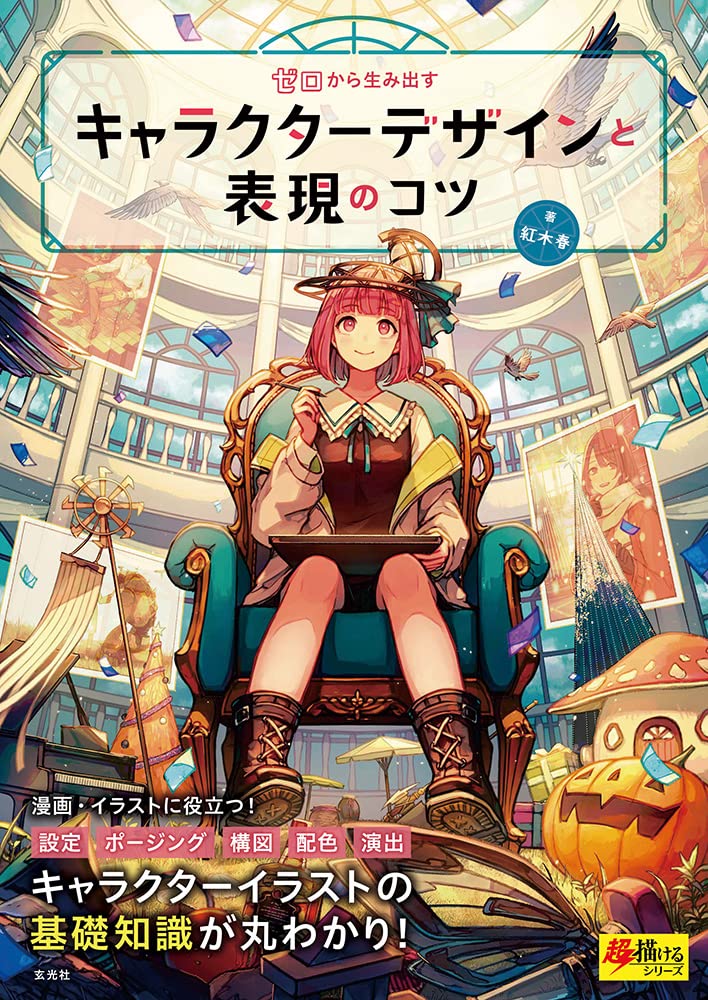
A somewhat basic textbook on character design and face expressions. I came across it in Maruzen a bit ago and thought it was very accessible. It does not look life-changing but it might be helpful for a beginner looking to make their characters a bit more expressive.
「キャラクター」のデザイン&描き方, くるみつ

What a flashbang of colors! This is くるみつ’s design style, colorful pop. Personally, I love this. Even if you do not like it, there is a lot to learn here. This is especially true of color theory, or rather of how the author chooses color to express dynamism. Highly recommended.
カラフルポップな「ミニキャラ」のデザイン&描き方, くるみつ

The second book that くるみつ put out, this one focuses on ミニキャラ, usually called chibi characters in English. If you liked the one above, I highly suggest this one again if chibi characters are of interest to you.
ミニキャラの描き方, 夢ノ内千春

Another chibi characters book. This one explains the transposition process between standard and chibi illustrations quite well, so I’d get it even if you don’t plan on making chibi characters immediately, because there’s a lot to learn about design in the way this transposition happens.
デジタルイラストの「表情」描き方事典, NextCreator編集部
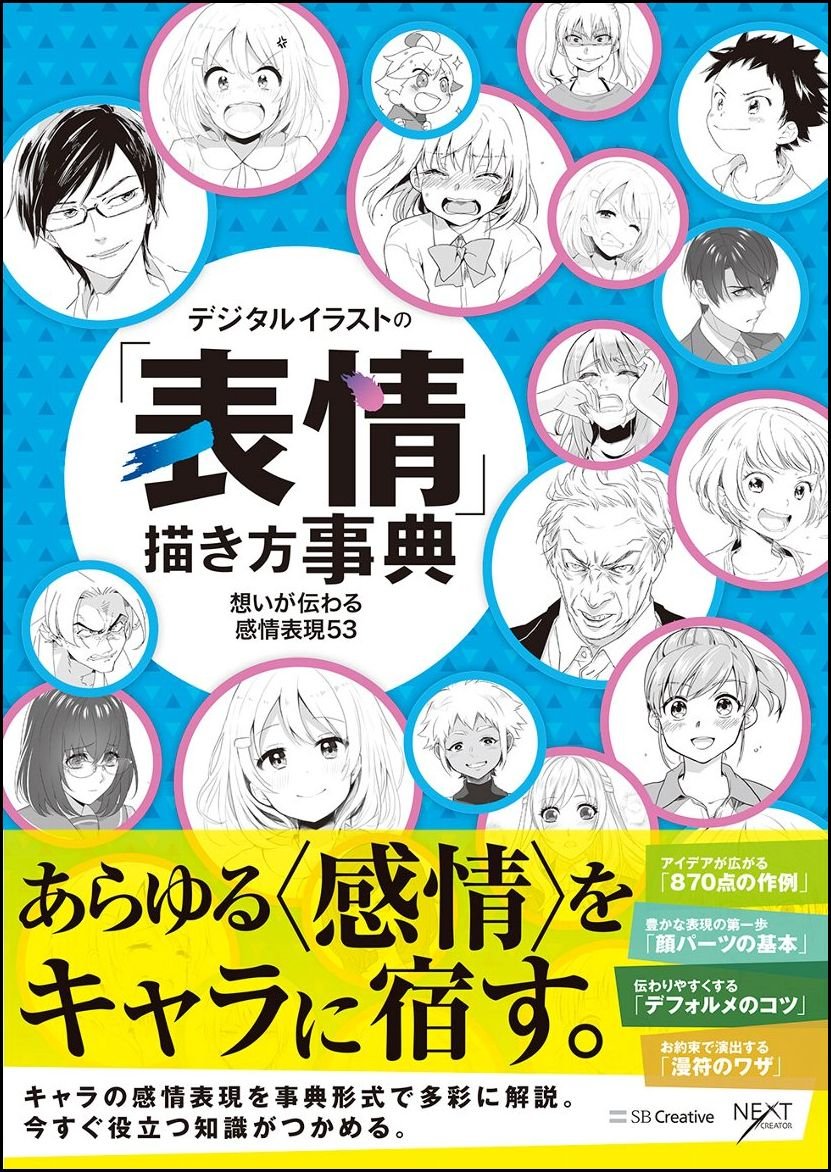
I am not fully sure where to put this, but since it is very specifically about how to show specific emotions and how to make your characters more expressive, I will consider this a part of character design. It’s a dictionary of a variety of head drawings that show a specific kind of emotion. Pretty useful in my opinion.
メルヘンファンタジーな女の子のキャラデザ&作画テクニック, 佐倉おりこ

One more book in the 超描けるシリーズ, this one focuses on a very specific design theme, メルヘン (from the German Märchen ‘fairy tale’), anime girls with lots of frills that seem straight out of a fairy tale. The title also mentions “fantasy” and I agree that quite a few of these designs could fit right into one of those popular isekai manga. Obviously very specific, but if you like it, there’s a follow-up book and a clothes catalog.
キャラクターデザインの教科書, 株式会社Playce
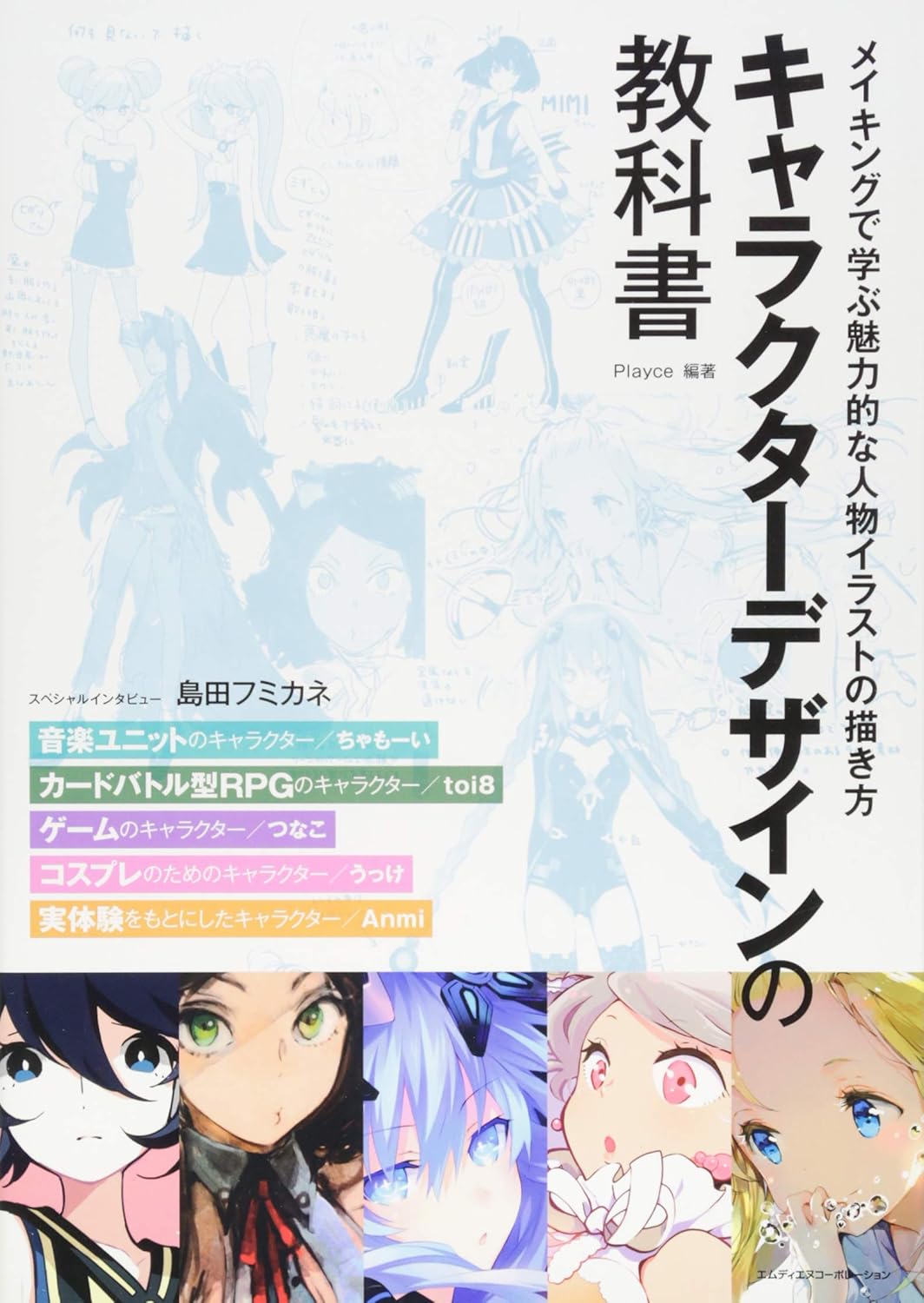
Another one of these books where multiple illustrators are invited to think about a specific theme, here character design. Each illustrator designs a cute anime girl based on a specific theme such as a game character, cosplay, etc. I don’t think it’s mind-blowing but if you like these kinds of books, why not.
かわいい女の子の衣装デザインアイデア帳, 佐倉おりこ
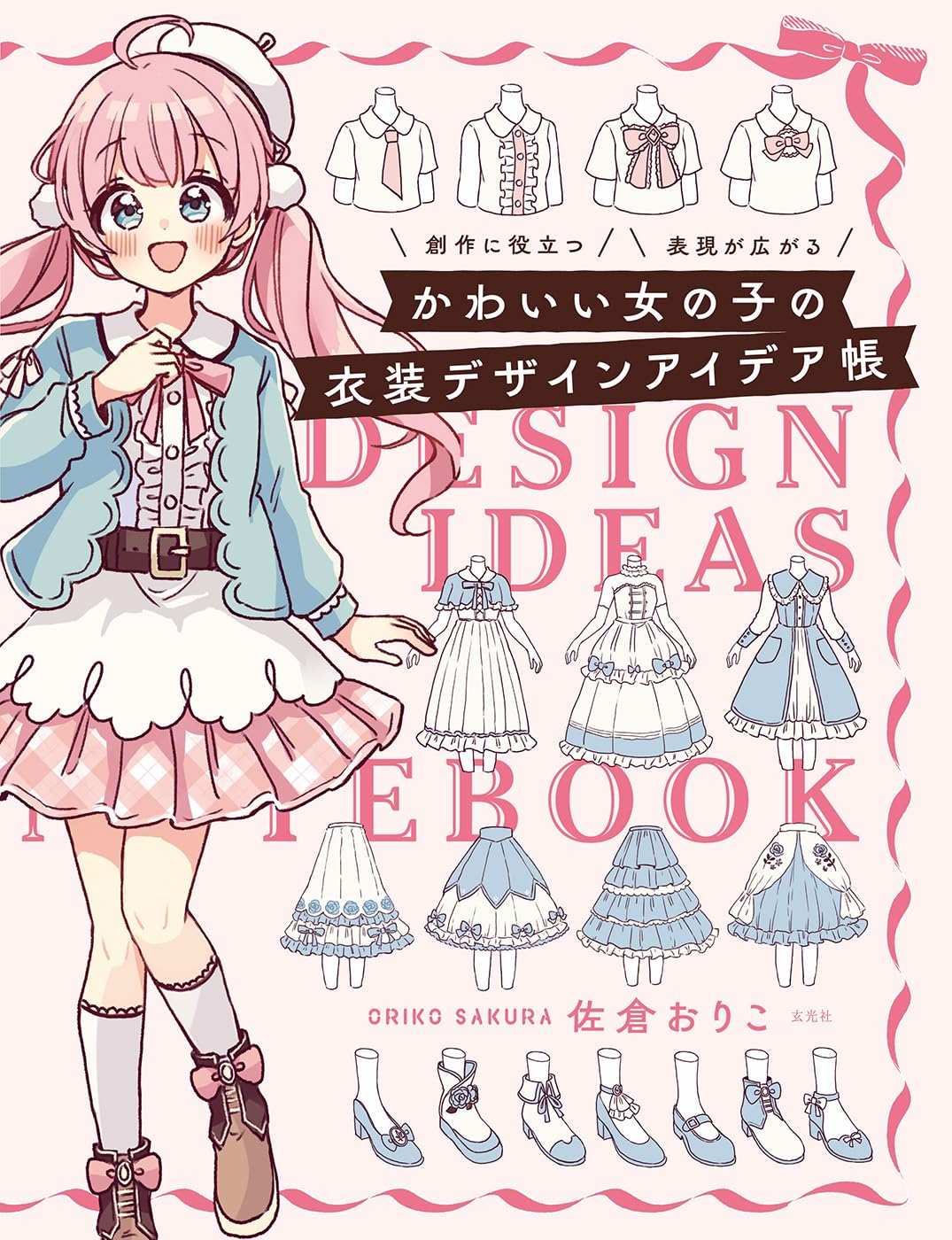
Same author as the メルヘン book so if you like very cute moe girls this might be for you. I’m more into edgy characters so it’s less my thing, but still. This somewhat overlaps with clothes but since it also mentions stuff like hairstyles, I think it’s fine here.
VTuberキャラクターデザイン&Live2D超入門, 中里 智明

Bit of a different thing going on here. You might have noticed that VTubers are all over pop culture. This books focuses on how to create (and animate) a female VTuber model. Not exactly my thing but since they’re so popular, I figure someone will be interested.
Courses
Fundamentals of Character Design, Stephen Silver
Stephen Silver is a legend in the industry (he worked at Disney Channel and Nickelodeon) who is well-known for his character design work, a lot of which you might not even be aware of. Due to his background in caricature, his characters are very expressive which is useful even if you don’t really like their style.
Clothing and Folds
This section could’ve been put under Part II, but some of the books here are more about the way clothing and character design interact, so I decided to keep it here. A few books teach you how clothes drape over the body, others are more akin to reference books with a variety of clothing options for your character. Both are useful.
Books
Morpho: Clothing Folds and Creases, Michel Lauricella
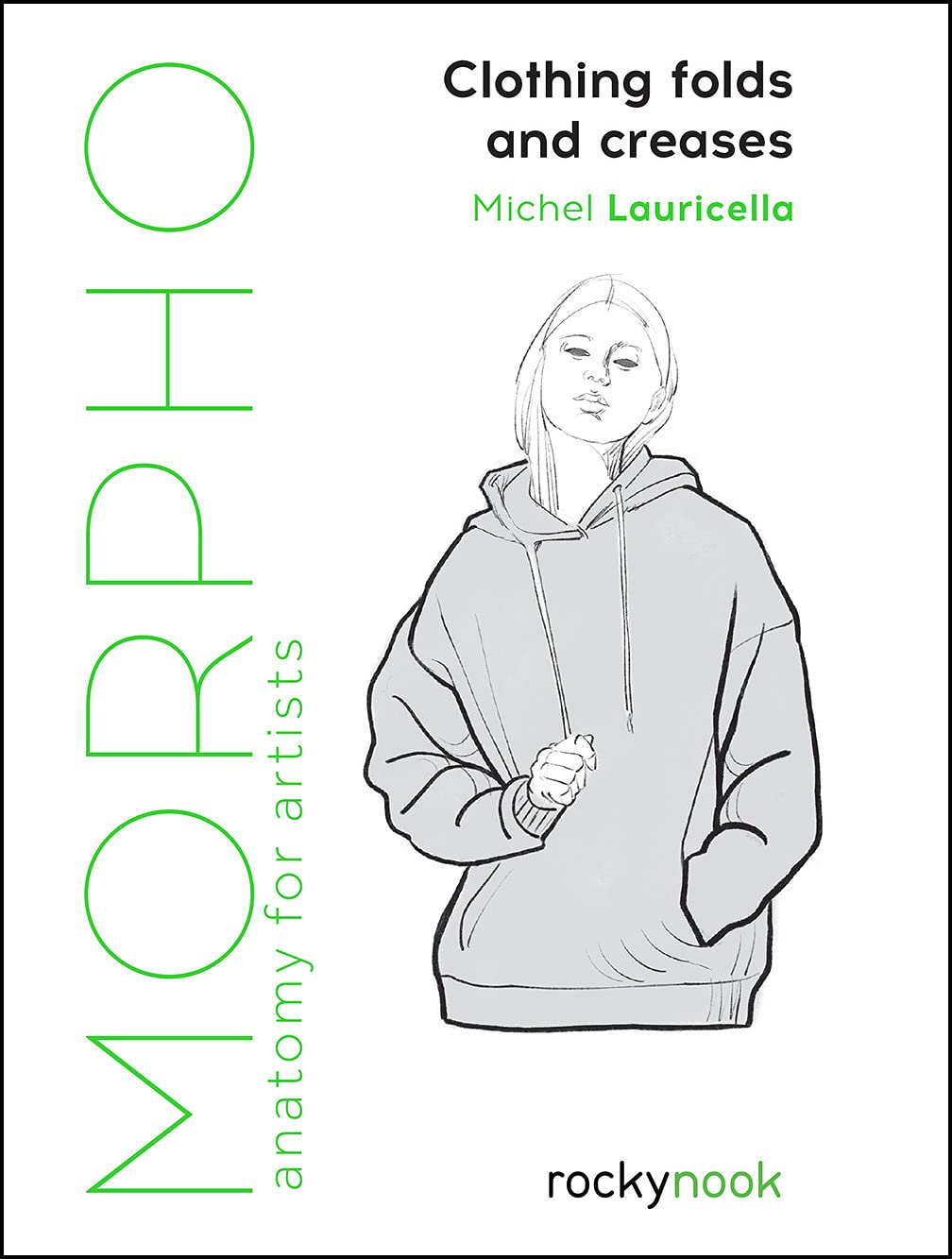
Another Morpho banger, what can I say. Even if you’re only interested in anime-style drawing it’s a fantastic reference. I know I say this every time I mention Morpho but you truly have to copy the drawings to get the most from it. Either way, good stuff. Highly recommended.
「服」の塗り方, どうしま
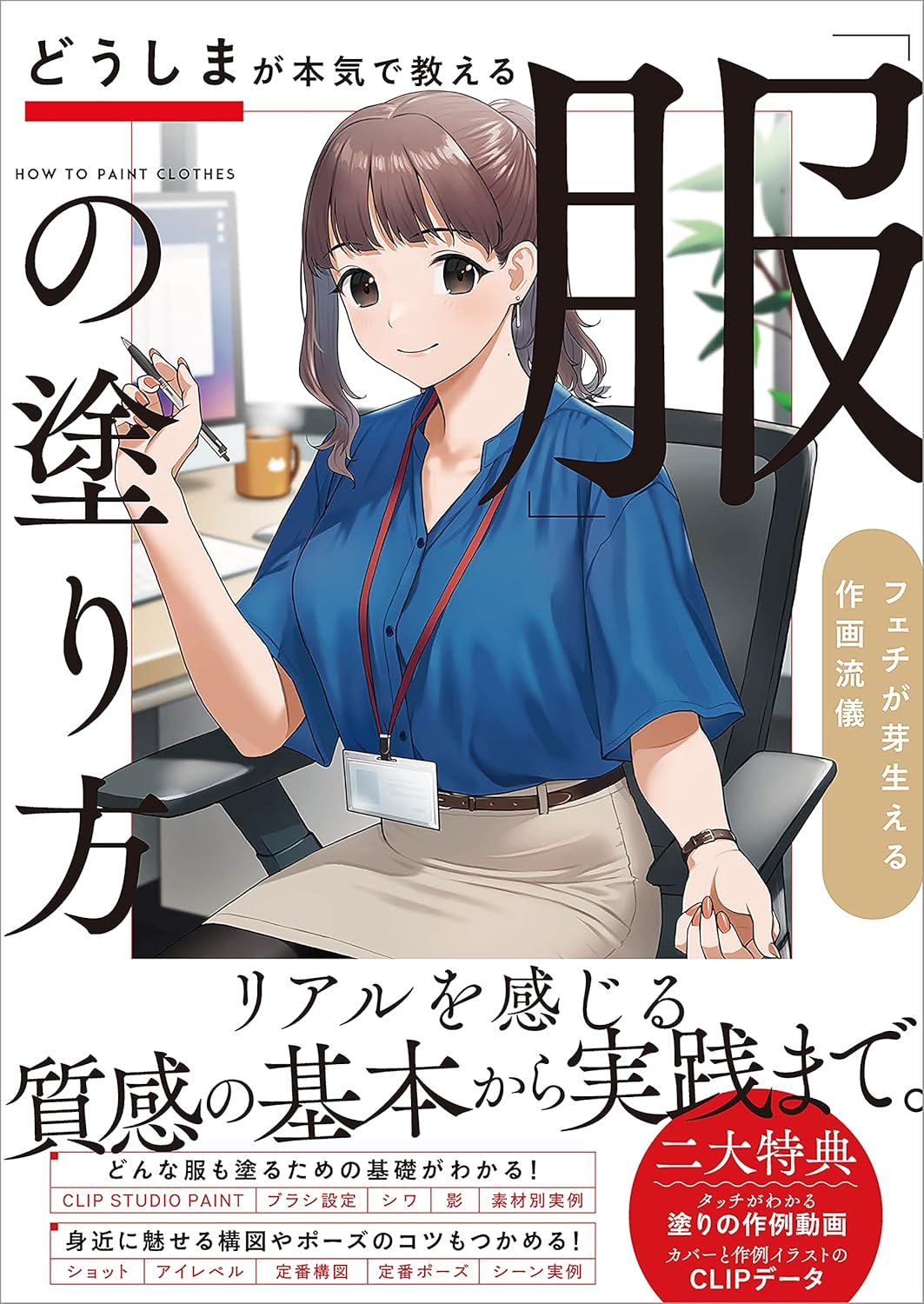
Another book in the same series as mignon, this one focusing on rendering clothes. I debated putting it in the rendering section but well, it truly is about clothing so I thought I’d kept it here. Great reference for a wide variety of anime-style clothing.
服のシワと影の描き方, ダテナオト
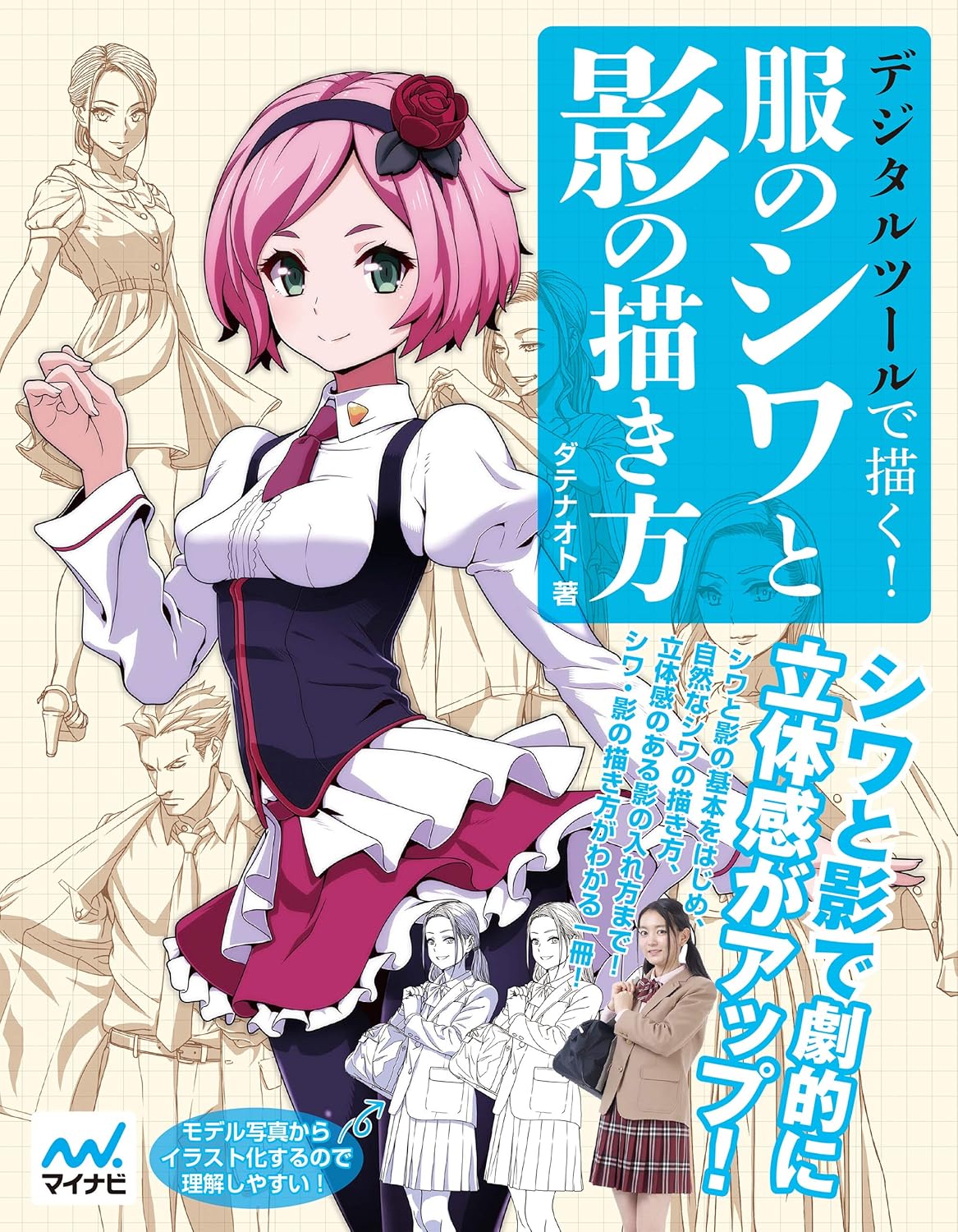
A pretty approachable book about clothing folds and filling in shadows. My friend first noticed it in Maruzen but ended up putting it back because it seemed a bit too basic for her but that’s not necessarily a bad thing.
動きとシワがよくわかる, らびまる

This one focuses a bit more on how folds and creases are created along the clothes as movement happens. I think the references are very clear and the action lines help you better understand what is happening. Good stuff.
デジタルイラストの「服装」描き方事典, スタジオ・ハードデラックス
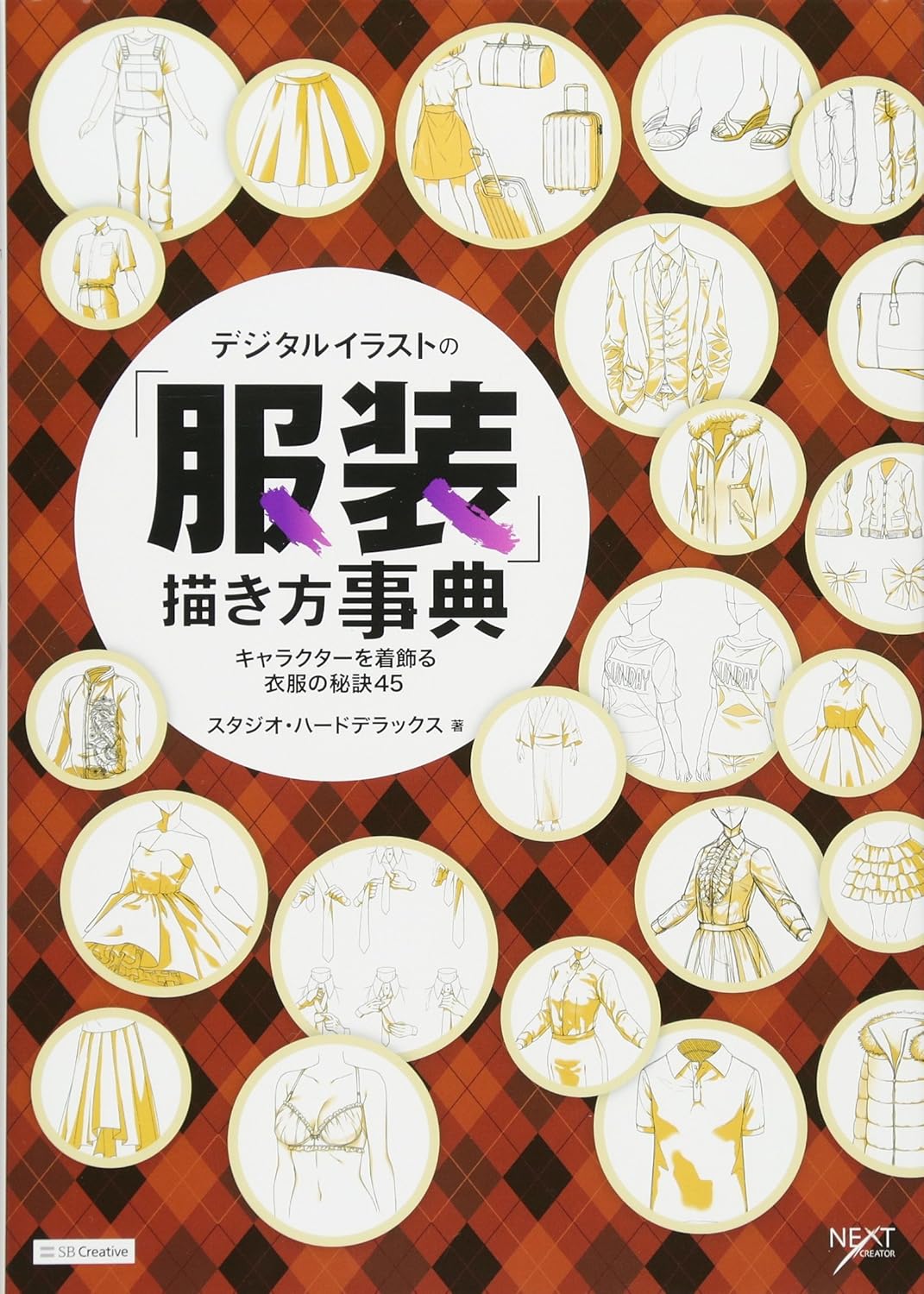
As the name implies, this is a dictionary focusing on how to draw a variety of clothes. Simple shadows are also highlighted at the end of each clothing breakdown. It’s pretty cool though we had trouble finding it in store for some reason, so maybe order it online.

A cute book focusing on very girly clothing with lots of frills and ribons. It’s simple with a lot of variations and could be useful as a reference.
Courses
How to Draw the Costumed/Draped Figure, New Masters Academy
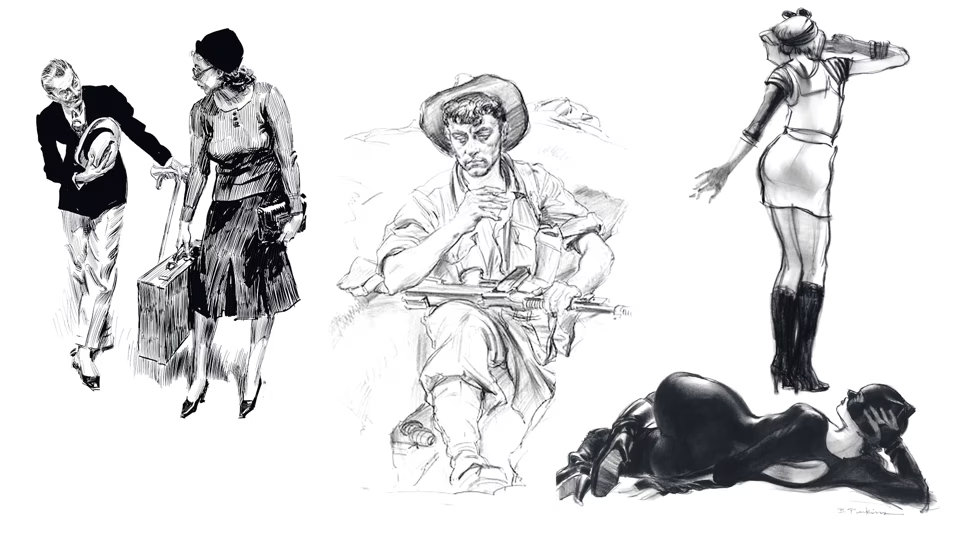
Originally, the course I had in mind was done by Glenn Vilppu but it appears that it got absorbed into this one because I cannot seem to find it anywhere online. Anyway, this has a variety of instructors from NMA (including Vilppu) describing clothing and drapery. Anyway, this course is absolutely massive (it’s a whopping 34+ hours) and pretty much covers anything you’d ever need.
Backgrounds
In this section, we finally get to my favorite part of drawing: backgrounds. What first drew me into drawing was the art of Nier Automata with its sprawling and lifeless urban environments. This section is where we learn how to draw that kind of stuff. For this, a good understanding of perspective is imperative so make sure you’re good on that. Environment design is also included in this section.
Books
Framed Environment Design, Marcos Mateu-Mestre
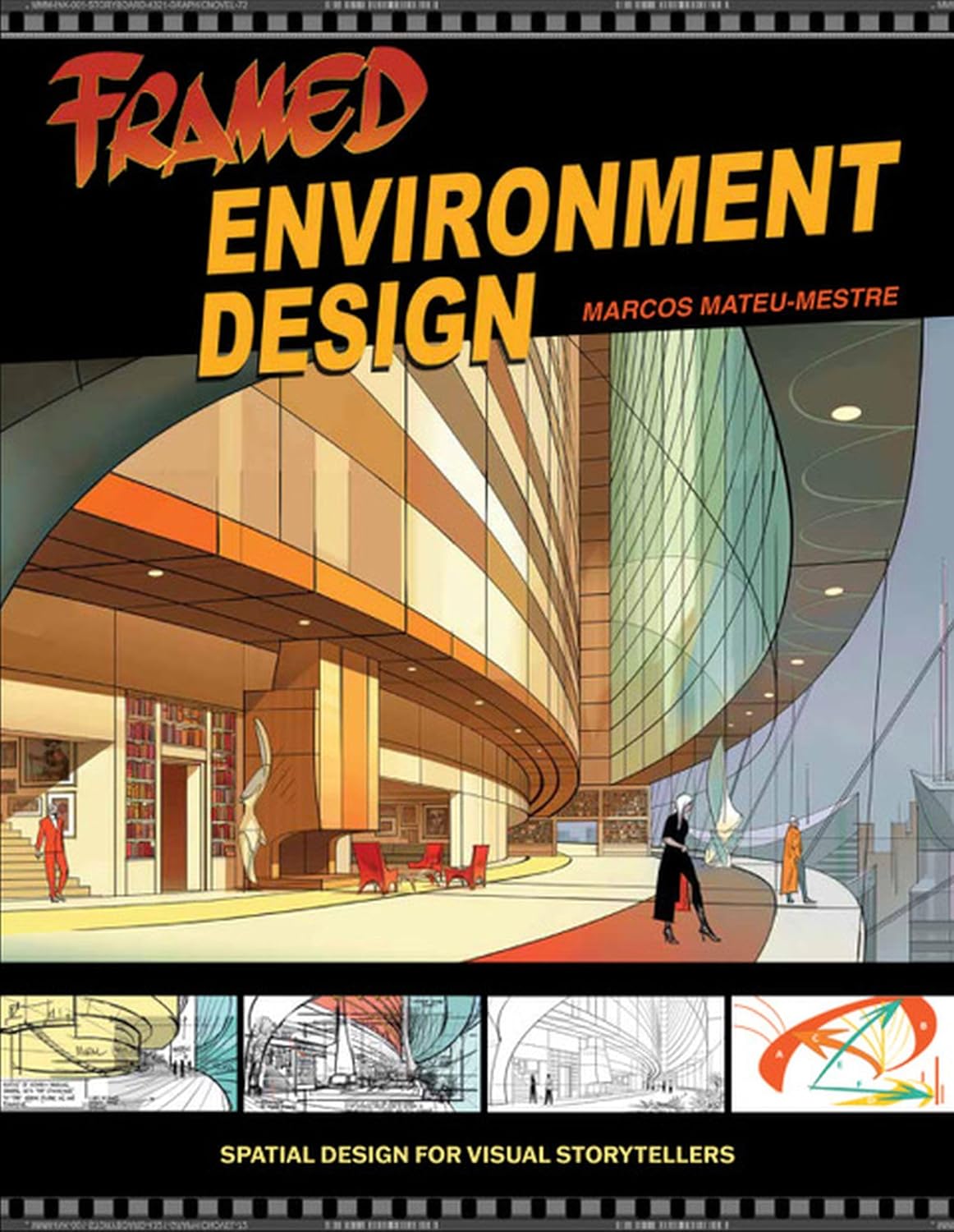
Another book in the Framed series, this one really puts into context all the work you’ve done mastering perspective and composition by allowing you to design complex environments that feels full of life. It’s not easy, obviously, but it’s well worth it. I like the fact that it always keeps composition and storytelling in mind. Highly recommended.
背景描き方大事典, smile

This book was a really nice surprise. If I remember correctly, I found it in Yodobashi right after it came out and I remember being immediately impressed. One thing I particularly appreciate about it is that for each background that we learn how to draw, there is a section called “Characters” where you can see potential scenes with characters added to understand how to best use this background. Great stuff.
背景画の描き方, 酒井 達也
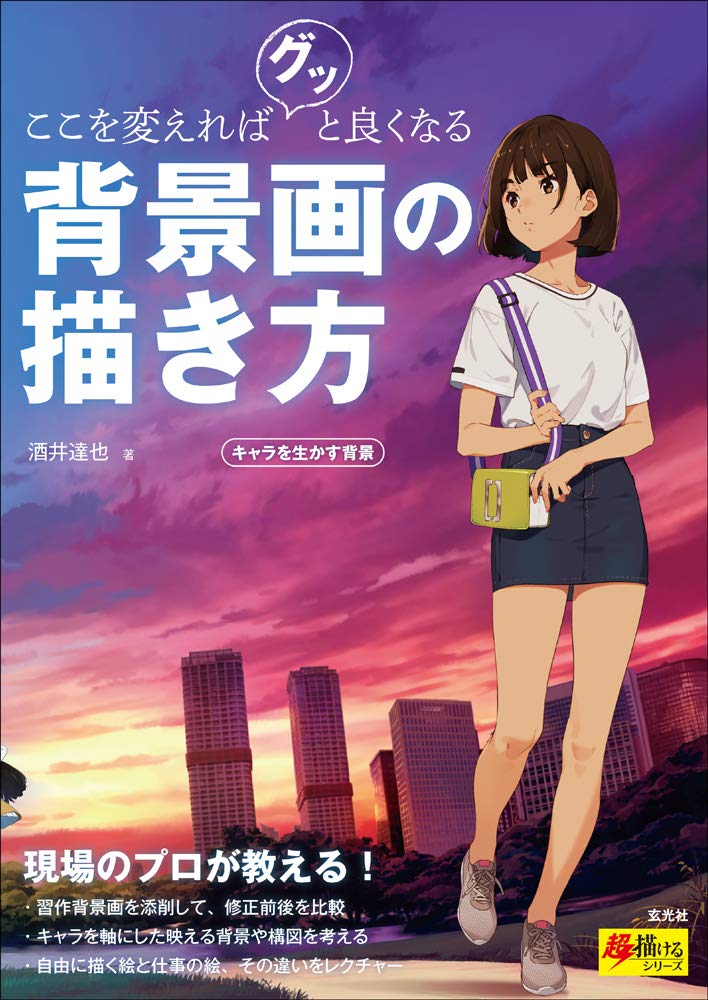
Decidedly, these 超描ける books are everywhere. To be fair, it’s usually because they tend to be really good. This one is no exception. It starts with a review of what perspective is and how it works but I would expect you to know this at this point or you will struggle. A highlight is that characters and backgrounds are thought of together rather than being completely separated. This is especially apparent when the author starts from a character drawing and tries to think of what background to put behind it to make it shine.
FANTASY奇幻背景 画法教室, よー清水
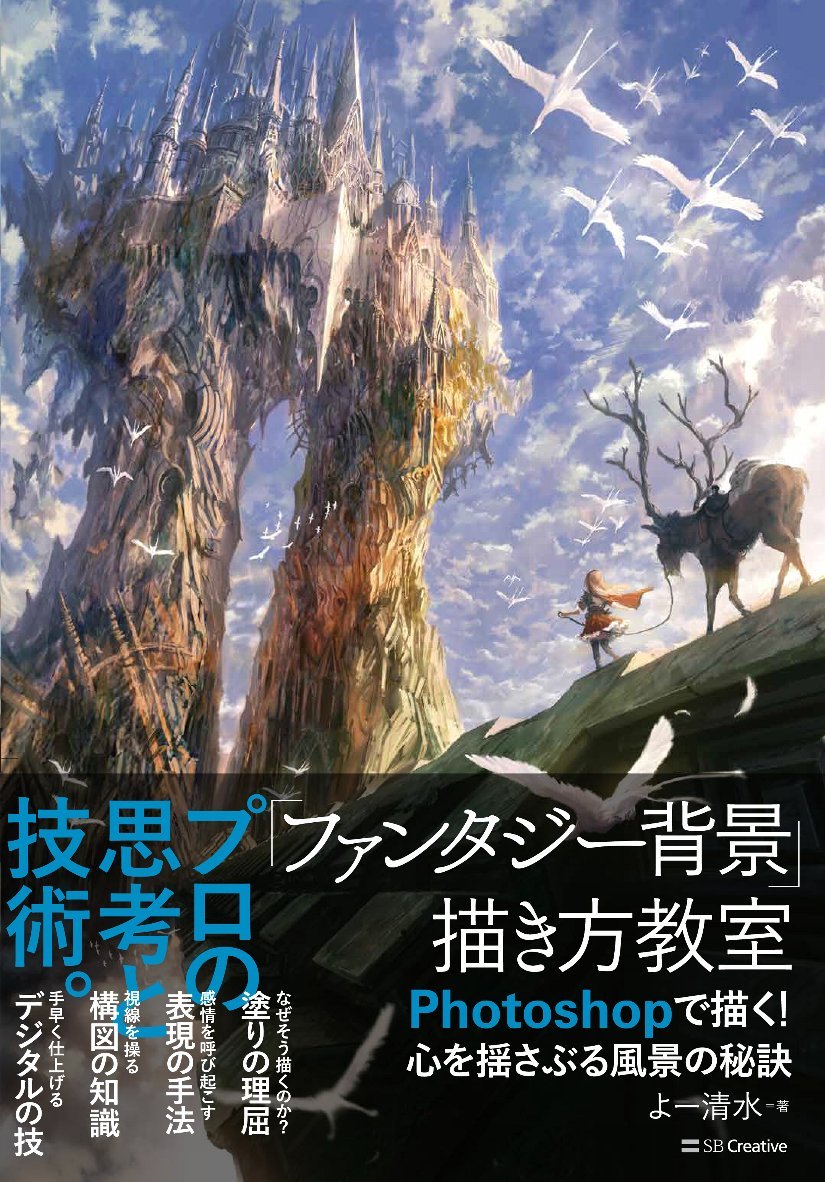
Yeah ok, I’m sorry but that is just ridiculous. The fantasy art in here is just absurdly gorgeous, and you’re saying that I could try to replicate that? Yeah, I don’t know. Still, it is meant to be a book to help you learn how to get there. This book does focus on Photoshop but I’m sure you can translate that to other digital illustration software. All the scenes are gorgeous but I’d consider this a bit more advanced (look at those perspective grids…) although it’s worth getting just to look at the pretty backgrounds.
デジタルイラストの「背景」描き方事典, 高原 さと
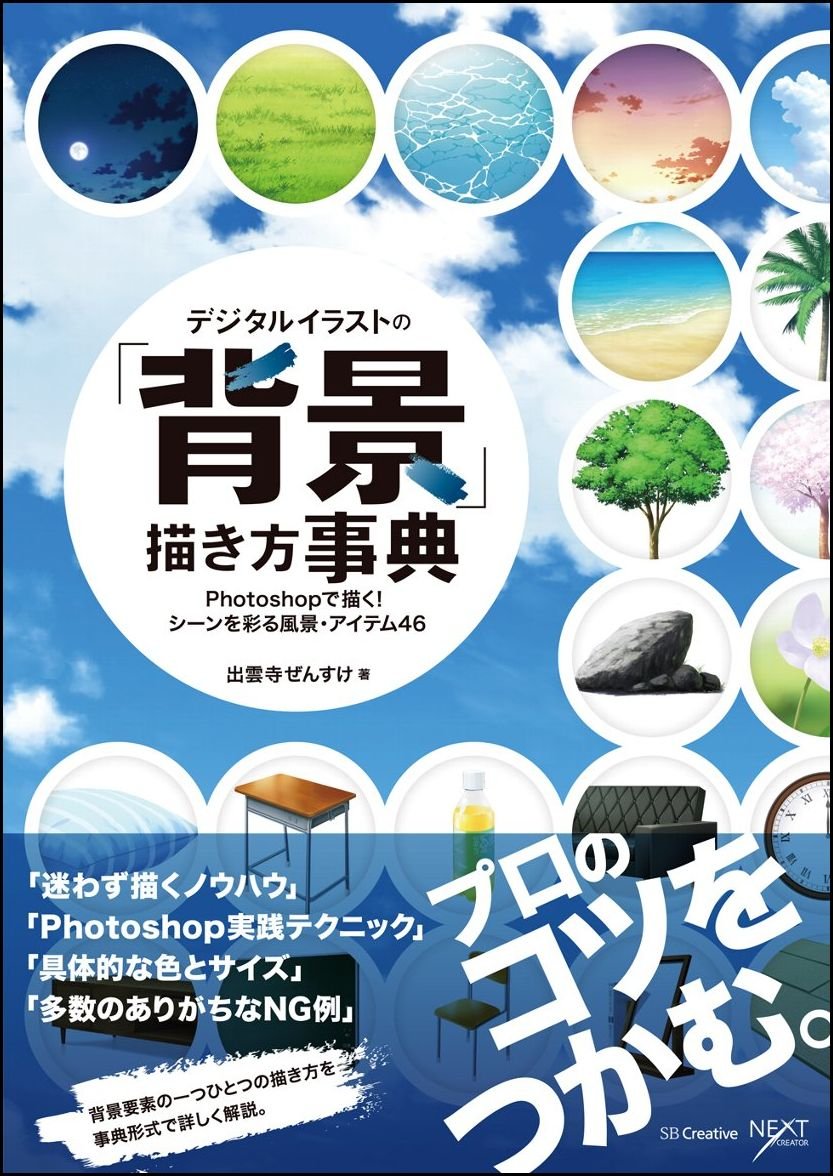
Another book in the 描き方辞典 series, this one focusing on backgrounds. As usual, it’s separated in a variety of themes such as “tree” and “sunset” along with a lot of very practical components such as school tables and chairs. It’s not mindblowing or anything but it’s not bad either. I’d skim through it and see if it appeals to you, I don’t consider it a must-buy.
背景の描き方, 高原 さと
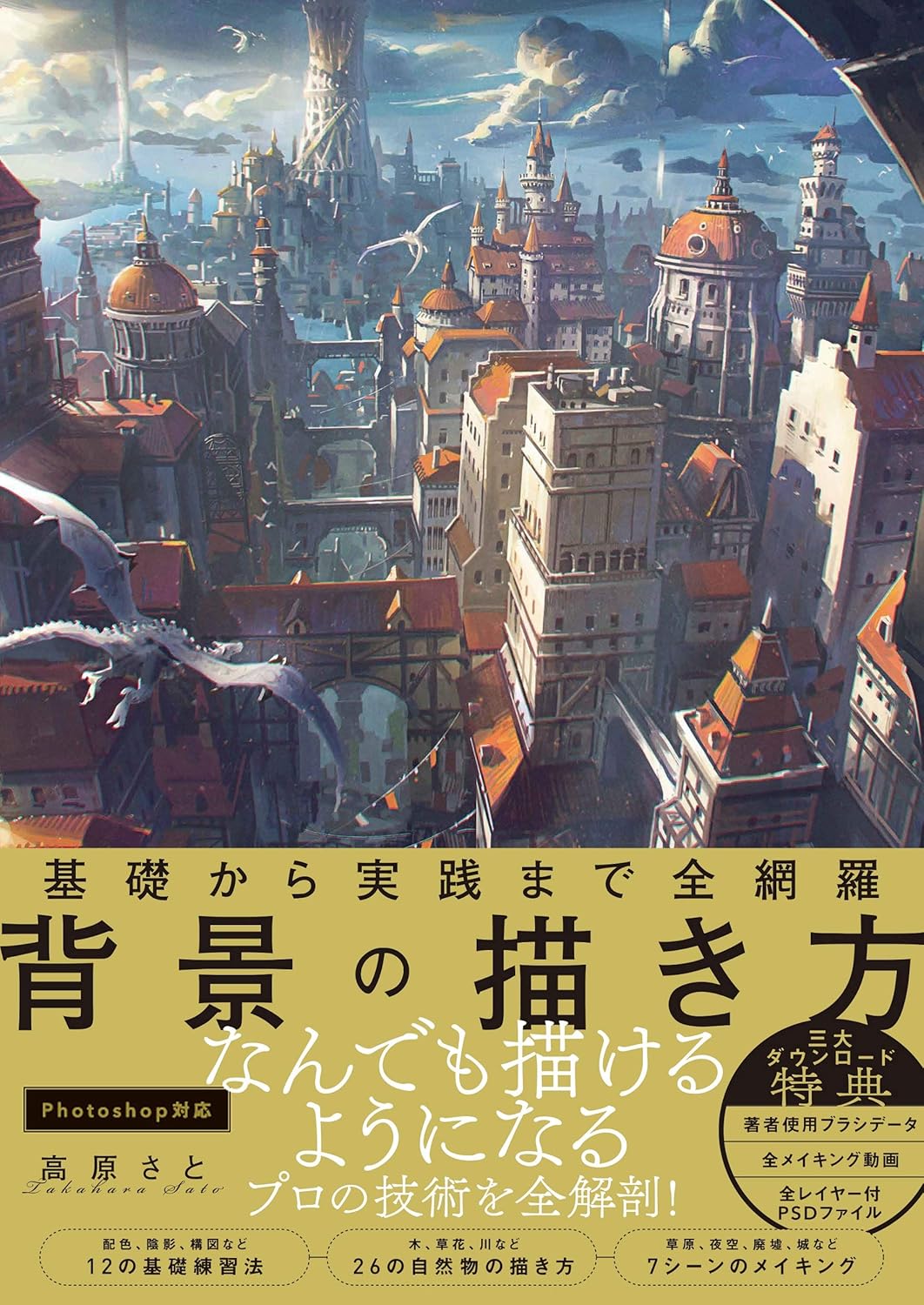
A pretty approachable book written by the same author as above, this time focusing more on actually building backgrounds as opposed to being a dictionary. This is also meant to be used with Photoshop. Not the easiest thing in the world but backgrounds usually aren’t super easy due to the amount of perspective and composition involved to get them right. Still, it’s worth working through.
背景作画, mocha
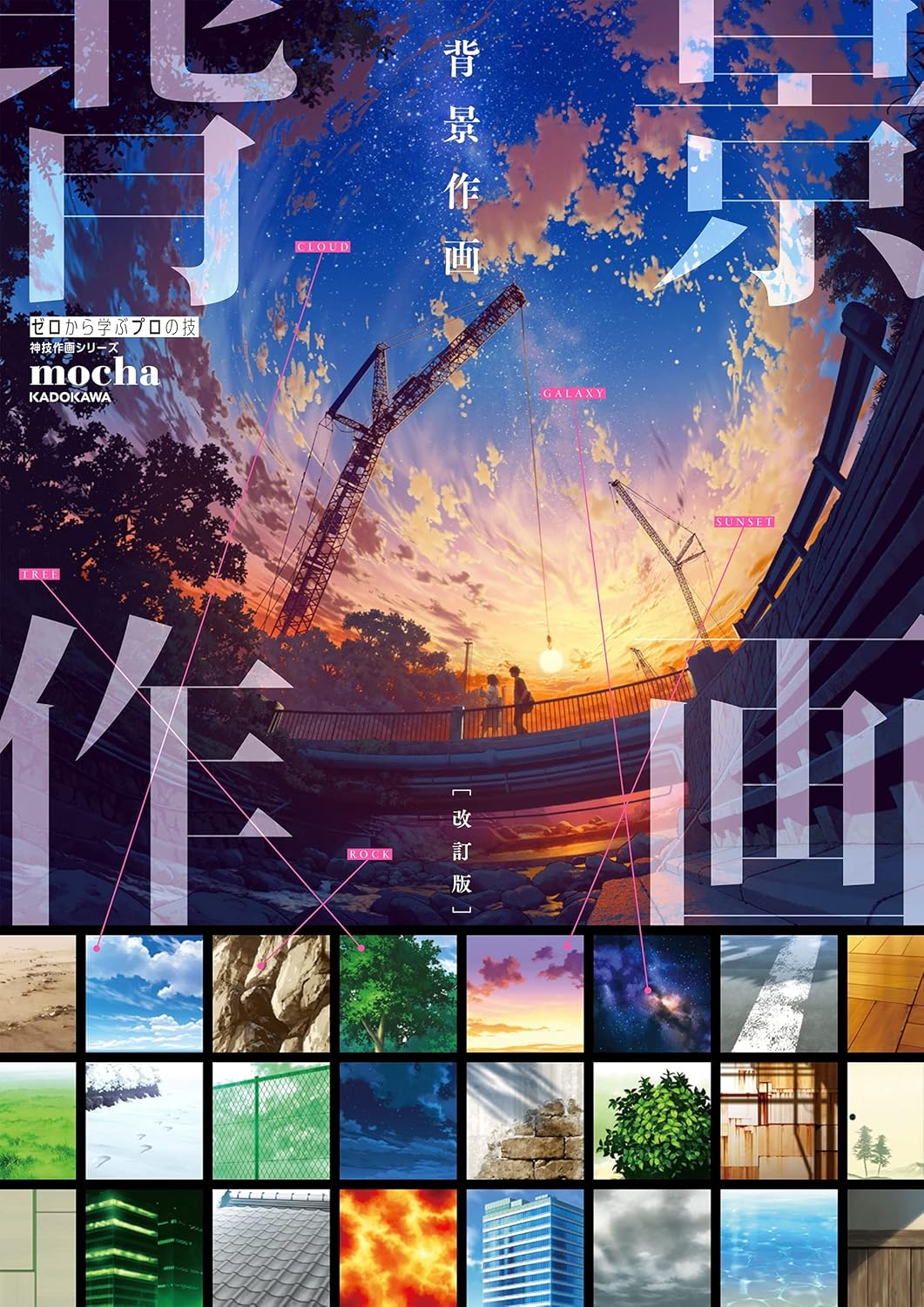
The author, mocha, is one of my favorite background artist. In this book, we can see how they go about creating a variety of backgrounds, first nature and then human made. The very first chapter discusses the basics of background art but I think the real meat is in the メーキング. Great stuff and highly recommended.
写真加工で作る風景イラスト, さけハラス
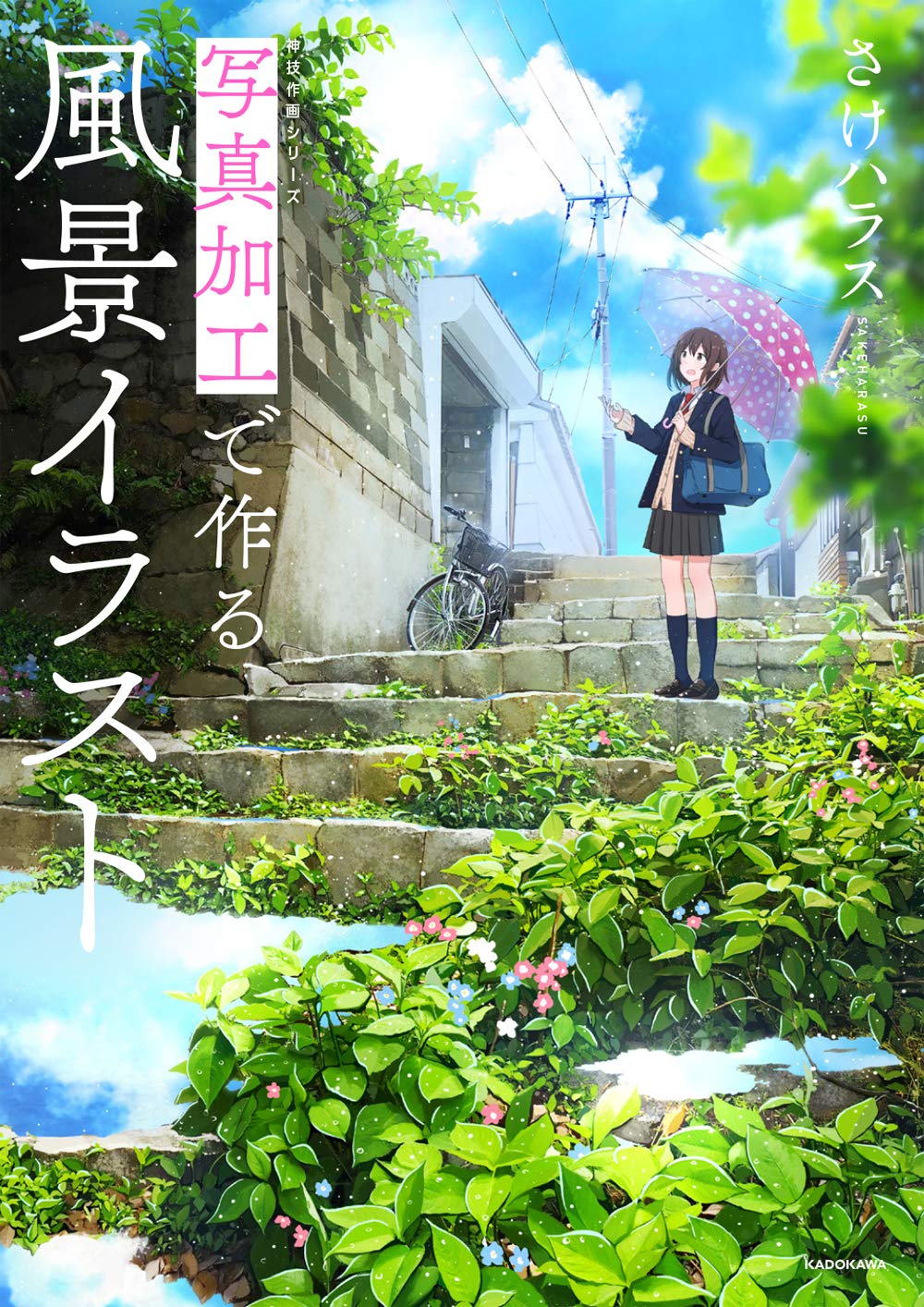
Ok, it’s pretty ballsy to put this textbook here. I know the purists will hate it. Yes, I admit, this is a book explaining how to use photobashing to get cool backgrounds you can then re-draw over. Personally, I don’t really get what the big deal is. I think a lot of people suck at it, so it’s great to have a textbook explaining how to do it really well, not to mention you will struggle if you can’t draw because さけハラス is not just mix-and-matching photographs. Either way, if you’re into this, the author is a master at this. Personally, I love perspective grids too much to give up doing things myself, but I think there’s no shame in using the photographs you took to make art.
Courses
Environment Design, Nathan Fowkes

Perhaps Nathan Fowkes’s most important contribution, this course on environment design is the real deal. Obviously, Fowkes is a fantastic concept artist but he’s also a really good instructor. If you like it, there’s also an accompanying workout course that might be worth checking out where you can draw along.
3D Tools
This guide is about learning how to draw, so why is 3D mentioned at all? Well, for starters, because I like 3D and I think it’s a fantastic tool to support your drawing journey in a variety of ways, be it as a way to simplify your drawings with a model or to better understand light and shadows with a simple ball and a light source. I am by no means an expert but I don’t see the point in restricting ourselves to strictly 2D things, especially nowadays. Admittedly, I do not have a lot of references here, but here is what I know, and I only know Blender.
亥と卯流 セルルックキャラクター, 亥と卯

This Blender textbook is all about modelling an anime girl. It is not really about texturing but rather modelling from start to finish.
Blenderジオメトリノード, シーメン・レンズ
This textbook is more advanced as it is all about Blender nodes, a pretty powerful system that Blender uses to allow you to create complex effects. Not what I would start with, but useful if you’ve got some know-how already.
Blender 質感・マテリアル設定実践テクニック, 灰ならし
The goal of this book is to get you to render and create a variety of materials, from very shiny metal to wood. Good stuff.
Courses
Blender Donut Tutorial, Blender Guru

This is where I recommend you start if you’re interested in Blender or 3D tools more generally. This is maybe the most famous Blender tutorial ever and Blender Guru updates it every year. Honestly, I’d do it just to see if you’re interested. If you had fun going through the tutorial, then 3D work might be for you.
Part III: References and Inspirations
WIP.